Fluorite, a mineral widely utilized in industries such as chemical manufacturing, metallurgy, and glass production, often requires efficient material handling solutions. Among the available technologies, the fluorite pneumatic conveying system emerges as a versatile and effective method for transporting fluorite powder and granules. This article examines the concept of fluorite pneumatic conveying equipment and its underlying design principles, offering a comprehensive overview for professionals in the field.
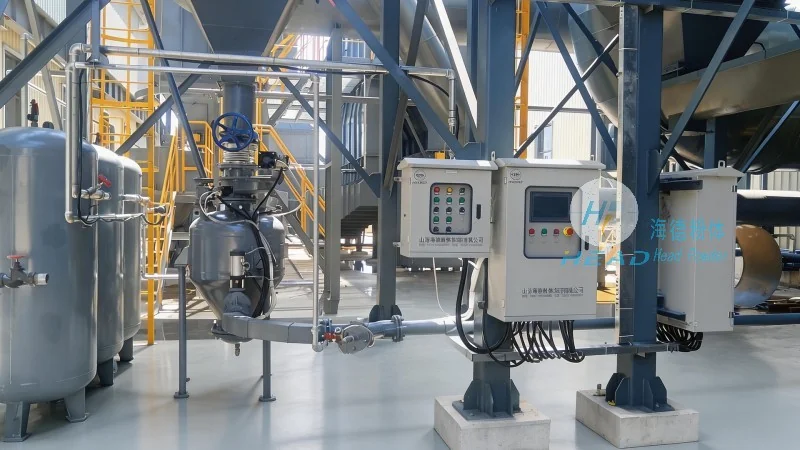
Introduction to Fluorite Pneumatic Conveying Equipment
HeadPowder, a leading manufacturer based in Shandong, China, specializes in the design and production of advanced pneumatic conveying systems tailored for handling fluorite and similar materials. The fluorite pneumatic conveying system leverages the principle of air flow to transport solid materials through a pipeline network. Unlike traditional mechanical conveyors, this system provides advantages such as reduced maintenance, lower energy consumption, and the ability to handle materials with high moisture content or abrasive properties, which are characteristic of fluorite.
Key Components of the Fluorite Pneumatic Conveying System
The fluorite pneumatic conveying system typically comprises several critical components that function together to ensure efficient material transport. The primary components include a blower or air compressor, which generates the necessary air pressure to move the material; a hopper or feed hopper, where the fluorite is stored and fed into the system; a conveying pipeline, which transports the material from the feed point to the discharge point; a separator or filter, which separates the material from the air stream and returns the air to the system for recirculation; and a discharge unit, which delivers the fluorite to the final destination.
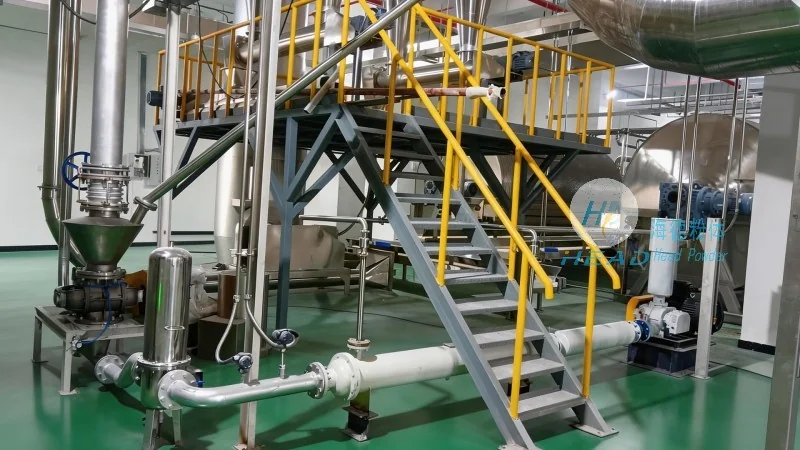
Design Principles Behind the Fluorite Pneumatic Conveying System
The design of a fluorite pneumatic conveying system is based on several key principles that ensure optimal performance and efficiency. The first principle is the selection of appropriate air velocity, which must be sufficient to lift and transport fluorite particles without causing excessive wear on the equipment. The air velocity is typically determined by the particle size, density, and shape of the fluorite, as well as the desired conveying distance and system pressure. The second principle involves the consideration of the system's pressure drop, which is the pressure loss that occurs as air and material flow through the pipeline. Proper design minimizes pressure drop to reduce energy consumption and prevent system inefficiencies. The third principle focuses on the selection of suitable materials for the conveying components, such as the pipeline and separator, to withstand the abrasive nature of fluorite and prevent material buildup or corrosion.
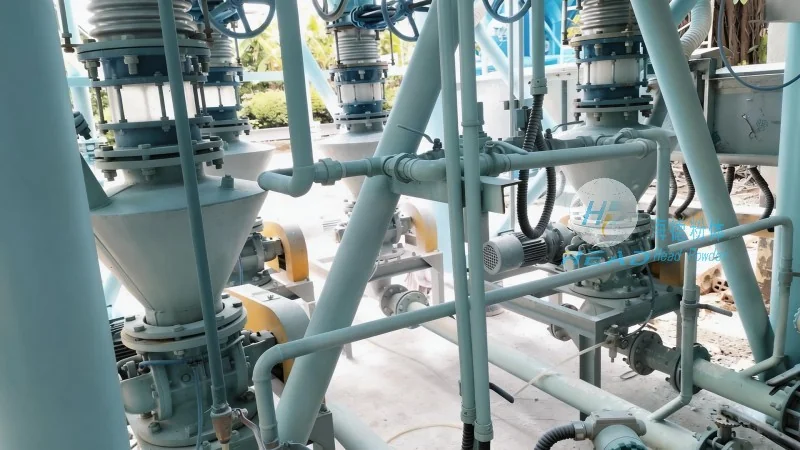
Advantages of Using Fluorite Pneumatic Conveying Equipment
Implementing a fluorite pneumatic conveying system offers numerous benefits for industrial operations. One of the most significant advantages is the ability to handle fluorite in a dust-free environment, which enhances workplace safety and reduces the risk of inhalation of fine particles. Additionally, the system allows for the transportation of fluorite over long distances with minimal material loss, as the enclosed pipeline prevents spillage and contamination. The system also provides flexibility in terms of layout, as the conveying lines can be easily reconfigured to accommodate changes in production processes or facility expansions. Furthermore, the reduced need for manual handling and the elimination of mechanical components lower the risk of accidents and maintenance costs.
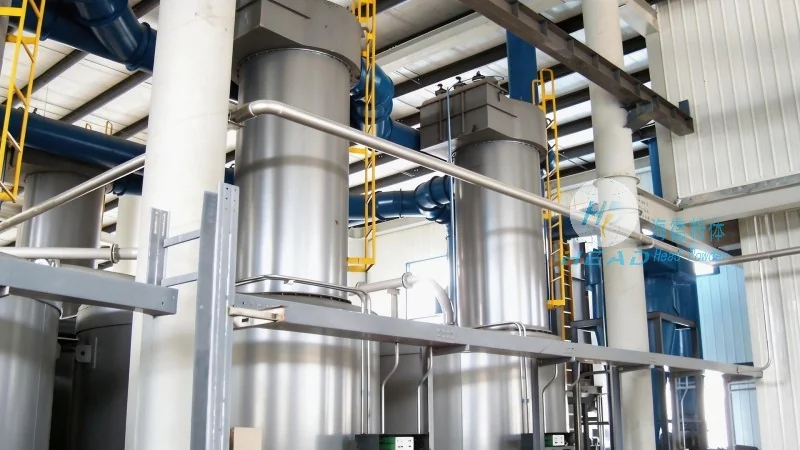
Application Scenarios and Considerations
The fluorite pneumatic conveying system is particularly suitable for applications where fluorite needs to be transported from storage silos to processing units, or between different stages of a production line. It is commonly used in chemical plants, where fluorite is used as a raw material for hydrofluoric acid production, and in glass manufacturing facilities, where it is used as an additive to adjust glass refractive index. When selecting a fluorite pneumatic conveying system, it is essential to consider factors such as the material's flowability, moisture content, and particle size distribution, as these characteristics directly impact the system's design and performance. Proper sizing of the blower, pipeline diameter, and separator is crucial to ensure reliable operation and prevent system downtime.
Conclusion
In conclusion, the fluorite pneumatic conveying system is a sophisticated and efficient solution for handling fluorite in industrial settings. By understanding the design principles and key components of this equipment, manufacturers can optimize their material handling processes, improve operational efficiency, and enhance workplace safety. With the expertise of companies like Shandong HeadPowder Engineering Co., Ltd., based in Shandong, China, industries can access high-quality fluorite pneumatic conveying systems tailored to their specific needs, ensuring reliable and cost-effective material transport for years to come.




