Coffee bean processing is a critical stage in the journey from bean to cup, and efficient material handling is essential for maintaining quality and productivity. Pneumatic conveying systems have emerged as a popular solution for transporting coffee beans, offering advantages such as minimal product damage, reduced contamination risk, and the ability to handle a wide range of particle sizes. This article explores the fundamental aspects of coffee bean pneumatic conveying equipment, focusing on its design principles and how they contribute to effective coffee processing operations, developed by Shandong HeadPowder Engineering Co., Ltd. (headpowder).
Understanding Pneumatic Conveying Technology
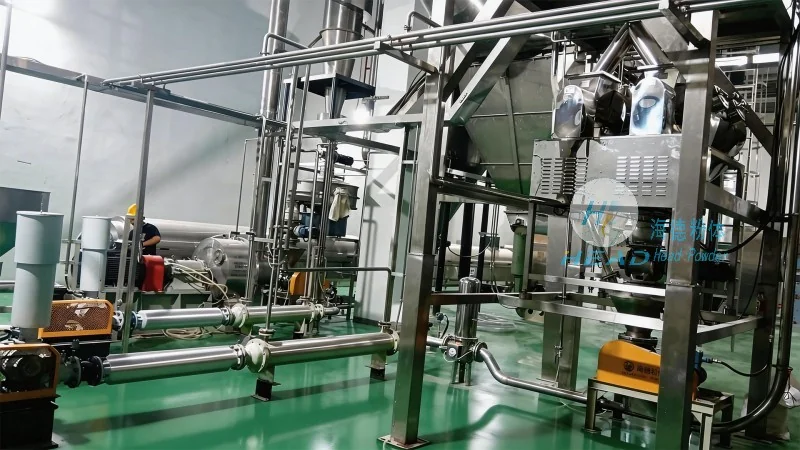
Pneumatic conveying uses compressed air or gas to transport bulk materials like coffee beans through a pipeline system. Unlike mechanical conveyors, which rely on physical contact and moving parts, pneumatic systems utilize air pressure to move particles, making them ideal for delicate products like coffee beans that require gentle handling. The core components of a pneumatic conveying system include a hopper for material storage, a blower or compressor to generate airflow, a pipeline network, and a discharge point for the material. The choice of system type—such as pressure or vacuum conveying—depends on factors like the distance to be covered, the volume of material, and the specific characteristics of the coffee beans being handled.
Key Design Principles for Coffee Bean Pneumatic Conveying
The design of coffee bean pneumatic conveying equipment is tailored to meet the unique demands of coffee processing. Several key principles guide the development of these systems:
1. Airflow Velocity and Particle Size The velocity of the air within the pipeline is a critical factor. It must be sufficient to lift and transport the coffee beans without causing excessive wear or breakage. The relationship between airflow velocity and particle size is carefully considered to ensure that the beans are conveyed efficiently while maintaining their integrity. For coffee beans, which vary in size and density, the system is designed to accommodate these variations, often using adjustable velocity controls to optimize performance.
2. System Pressure and Energy Efficiency The pressure within the pneumatic system directly impacts energy consumption and operational costs. Designers aim to balance pressure levels with the required conveying distance and material characteristics. Higher pressure systems are suitable for longer distances or steeper inclines, while lower pressure systems may be used for shorter runs or when handling lighter, more delicate beans. Energy efficiency is a key consideration, as the blower or compressor accounts for a significant portion of the system's operational costs.
3. Material Handling and Contamination Control Coffee beans are sensitive to contamination and physical damage, which can affect their flavor and market value. Pneumatic conveying systems are designed with features to minimize these risks. For instance, the use of smooth, non-stick pipeline materials reduces the likelihood of bean abrasion, while filtration systems in the air intake prevent foreign particles from entering the system. Additionally, the system's design may include features like air locks or rotary valves to prevent backflow and maintain product purity.
4. System Scalability and Flexibility Coffee processing operations often require flexibility to adapt to changing production volumes or product types. Pneumatic conveying systems are designed to be scalable, allowing for easy expansion or modification as the business grows. This includes the ability to integrate with existing processing lines and adjust conveying rates based on demand. The modular nature of these systems enables manufacturers to customize solutions that meet specific operational needs, whether for small-scale roasting operations or large industrial facilities.
Components of a Coffee Bean Pneumatic Conveying System
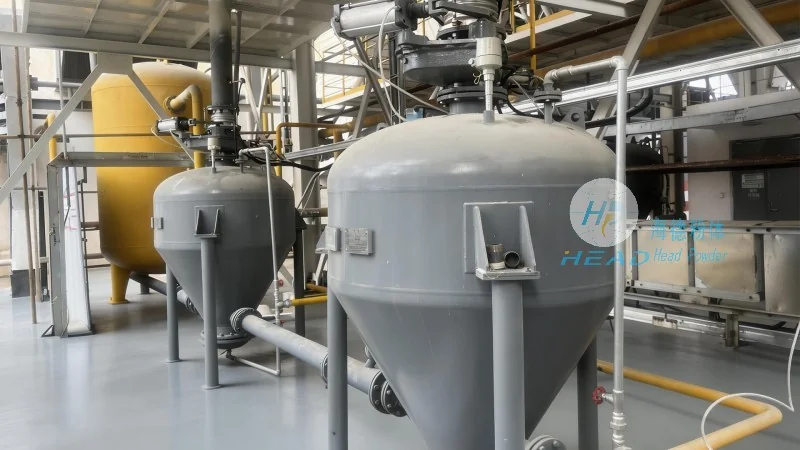
At the heart of any coffee bean pneumatic conveying system are several key components that work in tandem to ensure efficient operation:
1. Feed Hopper The feed hopper is the initial storage and feeding unit, where coffee beans are loaded before being introduced into the conveying system. It is typically designed with a wide opening to facilitate easy loading and may include a vibratory feeder to ensure a consistent flow of material into the pipeline. The hopper's design minimizes the risk of material bridging or clogging, which can disrupt the conveying process.
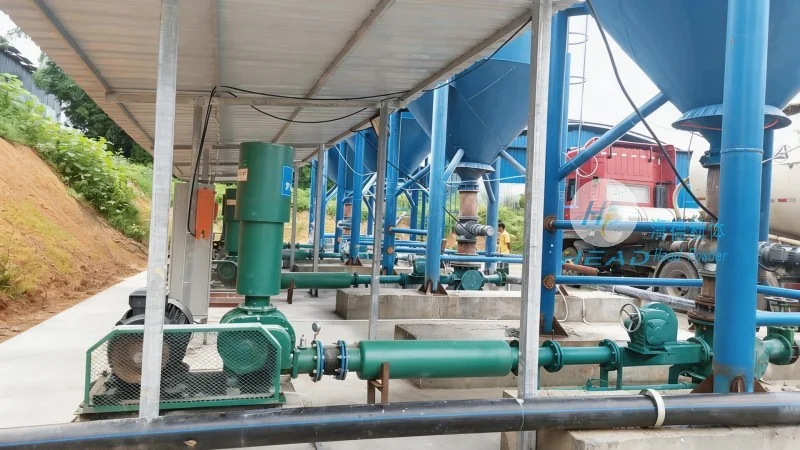
2. Blower or Compressor The blower or compressor generates the necessary airflow to move the coffee beans through the pipeline. The choice between a positive displacement blower and a centrifugal compressor depends on the system's requirements. Positive displacement blowers are often preferred for low-pressure, high-volume applications, as they provide consistent airflow even at varying loads. The compressor is typically used for higher pressure systems, suitable for longer conveying distances or steeper inclines.
3. Pipeline Network The pipeline network forms the backbone of the conveying system, transporting the coffee beans from the feed hopper to the discharge point. The material of the pipeline is critical, as it must withstand the pressure and temperature of the system while being non-reactive with the coffee beans. Common materials include stainless steel, which offers corrosion resistance and durability. The pipeline is often equipped with bends, elbows, and straight sections to accommodate the layout of the processing facility, with each component designed to minimize pressure loss and maintain efficient airflow.
4. Discharge and Collection System The discharge system is responsible for releasing the coffee beans from the pipeline at the end of the conveying process. This may include a cyclone separator or a rotary valve, which separates the beans from the air and directs them to a collection bin or processing unit. The design of the discharge system is crucial for preventing product loss and ensuring that the beans are collected in a clean and organized manner. For coffee beans, the discharge system may include a dust collection system to capture any fine particles and maintain air quality.
Applications and Benefits of Coffee Bean Pneumatic Conveying
Coffee bean pneumatic conveying equipment is widely used in various stages of coffee processing, from raw bean reception to roasting and packaging. The benefits of these systems extend beyond efficient material handling:
1. Product Protection As mentioned earlier, pneumatic conveying minimizes physical damage to coffee beans, which is essential for preserving their flavor and aroma. The lack of mechanical contact reduces the risk of bruising or crushing, ensuring that the beans retain their quality until they reach the roasting stage.
2. Reduced Contamination The enclosed nature of pneumatic systems prevents contamination from external sources, such as dust, moisture, or foreign objects. This is particularly important for coffee beans, which are sensitive to environmental factors that can affect their taste and shelf life.
3. Space Efficiency Pneumatic conveying systems are compact and can be installed in tight spaces, making them ideal for facilities with limited floor area. The ability to route the pipeline vertically or horizontally allows for flexible layout designs, optimizing the use of available space.
4. Cost-Effectiveness While the initial investment in a pneumatic conveying system may be higher than traditional mechanical conveyors, the long-term benefits often outweigh the costs. Reduced maintenance due to fewer moving parts, lower energy consumption, and improved product quality contribute to overall cost savings over the system's lifespan.
Conclusion
Coffee bean pneumatic conveying equipment is a vital component of modern coffee processing operations, offering efficient, gentle, and reliable material handling solutions. The design principles behind these systems—such as airflow velocity control, pressure optimization, and contamination prevention—ensure that coffee beans are transported with minimal damage and maximum quality. As the coffee industry continues to grow, the demand for advanced material handling technologies will increase, making pneumatic conveying an essential tool for manufacturers seeking to maintain competitiveness and product excellence.




