Desulfurization gypsum, a byproduct of flue gas desulfurization in thermal power plants and other industrial facilities, requires efficient and reliable handling for recycling and utilization. The pneumatic conveying system is a key technology in this process, enabling the safe and effective transport of gypsum from the desulfurization unit to storage or processing sites. Shandong HeadPowder Engineering Co., Ltd., a leading provider of industrial material handling solutions, specializes in designing and implementing such systems to meet the diverse needs of its clients.
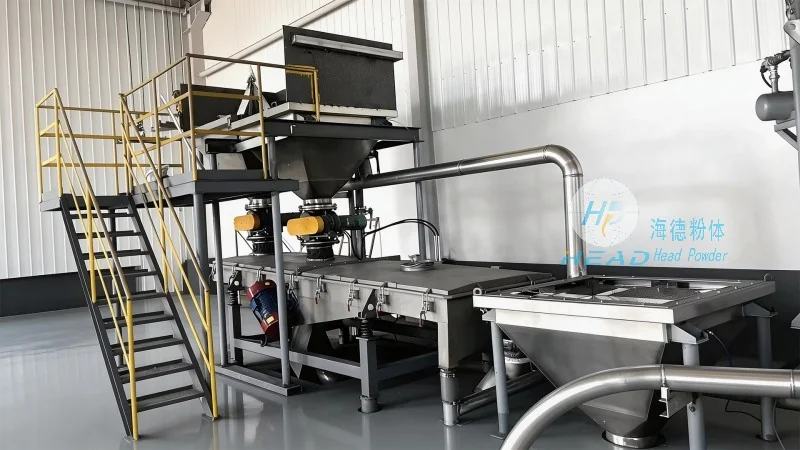
Overview of Desulfurization Gypsum and Its Handling Challenges
Desulfurization gypsum, also known as FGD gypsum, is produced when flue gases from coal-fired or other fossil fuel power plants are treated with limestone or lime slurry to remove sulfur dioxide. The resulting gypsum is a fine, powdery material that poses unique handling challenges due to its moisture content, dust generation, and potential for caking. Traditional methods like belt conveyors or screw conveyors may struggle with these characteristics, leading to material degradation, equipment wear, and operational inefficiencies. The pneumatic conveying system addresses these challenges by using air to transport the gypsum in a sealed, controlled environment.
Core Components of a Pneumatic Conveying System for Desulfurization Gypsum
The pneumatic conveying system for desulfurization gypsum typically consists of several critical components that work in concert to ensure smooth operation. The main elements include the material hopper, which stores the gypsum and provides a feed point; the air compressor or blower, which generates the necessary airflow to move the material; the conveying pipeline, which transports the gypsum-air mixture; and the receiver or storage silo, where the material is deposited. Each component plays a vital role in maintaining the system's efficiency and reliability.
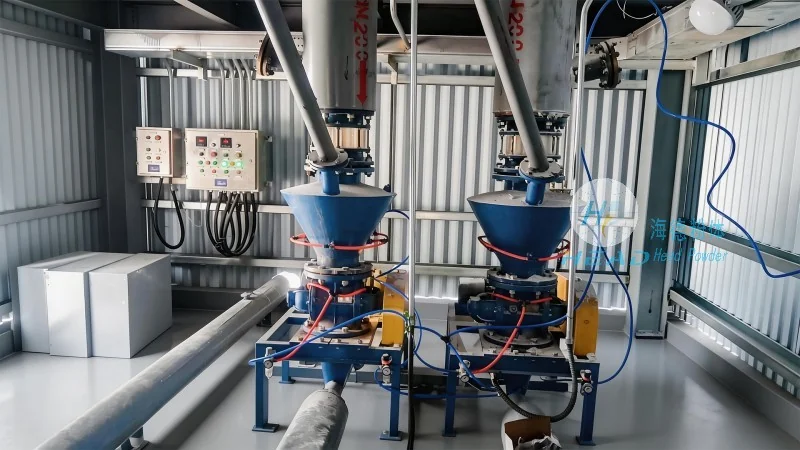
Working Principle of the Pneumatic Conveying Process
The operation of the pneumatic conveying system begins with the gypsum being fed from the hopper into the conveying line. The air compressor then supplies high-pressure air, which is introduced into the pipeline at the feed point. As the air flows through the line, it entrains the gypsum particles, creating a suspension that is carried to the receiver. The air velocity is carefully controlled to ensure that the gypsum particles remain suspended without settling or causing blockages. At the receiver, the air is separated from the gypsum, often through a cyclone or filter system, and the air is then recirculated back to the compressor, while the gypsum is collected for further use.
Advantages of Pneumatic Conveying for Desulfurization Gypsum
Compared to traditional mechanical conveying methods, the pneumatic conveying system offers several advantages for handling desulfurization gypsum. Firstly, it provides a completely sealed system, which prevents dust emissions and protects the environment from contamination. This is particularly important for industrial sites where air quality regulations are stringent. Secondly, the system is highly flexible, allowing for changes in material flow rates and distances without significant modifications. Thirdly, it reduces equipment wear and maintenance costs, as there are fewer moving parts and less direct contact between the material and the conveying equipment. Additionally, the system can handle a wide range of particle sizes and moisture contents, making it suitable for various applications.
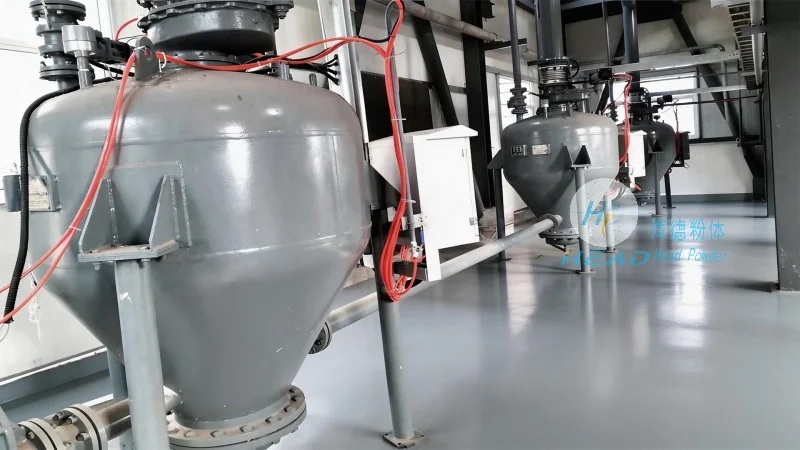
Application and Integration in Industrial Settings
In industrial settings, the pneumatic conveying system for desulfurization gypsum is often integrated with the flue gas desulfurization plant. The system is designed to connect directly to the gypsum storage hopper, ensuring a continuous flow of material from the desulfurization unit to the processing or storage facility. This integration minimizes material handling steps and reduces the risk of material loss or contamination. The system can be customized to meet the specific requirements of different plants, including varying production capacities and site layouts. For example, in a thermal power plant, the system may need to transport gypsum over long distances to a storage silo, while in a smaller industrial facility, the conveying distance may be shorter and the system can be more compact.
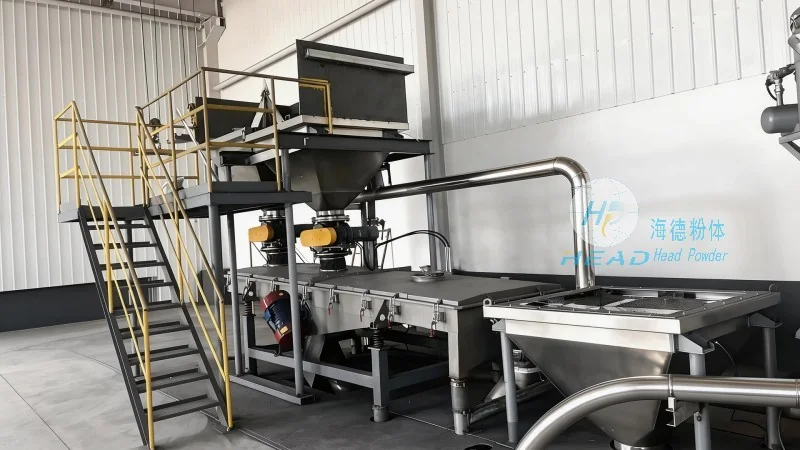
Operational Considerations and Maintenance
Proper operation and maintenance of the pneumatic conveying system are crucial for ensuring its long-term performance and reliability. Regular checks of the air compressor and blower are necessary to maintain optimal airflow and pressure. The conveying pipeline should be inspected for any blockages or damage, and the receiver and filter systems should be cleaned regularly to prevent clogging. The material hopper and feed mechanism should also be maintained to ensure consistent material flow. Additionally, the system should be equipped with safety features, such as pressure relief valves and dust collection systems, to prevent accidents and protect personnel.
Conclusion
The pneumatic conveying system is a vital technology for handling desulfurization gypsum, offering an efficient, reliable, and environmentally friendly solution for industrial applications. By understanding the principles and components of this system, industrial facilities can optimize their material handling processes and improve overall operational efficiency. With proper design, installation, and maintenance, the pneumatic conveying system can provide long-term benefits, including reduced costs, improved safety, and enhanced environmental performance.




