

Principle of Cement Raw Material Pneumatic Conveying System
HeadPowder, a leading engineering firm based in Shandong, China, specializes in the design and implementation of advanced pneumatic conveying systems for the cement industry. This article delves into the fundamental principles behind these systems, highlighting their efficiency, reliability, and the technical innovations that make them indispensable in modern cement production.
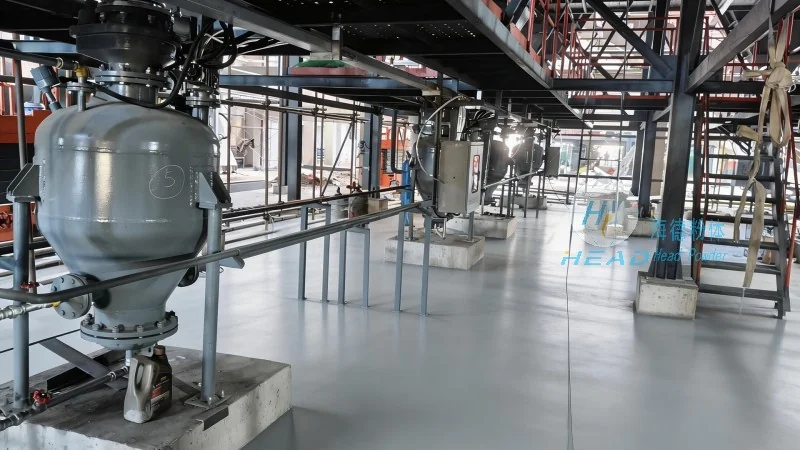
Understanding Pneumatic Conveying Systems for Cement Raw Materials
Pneumatic conveying systems are engineered to transport bulk materials, such as cement raw materials, from one location to another using a combination of air flow and pressure. The core principle involves creating a flow of air within a pipeline, which propels the material particles through the system. This method offers a non-contact, dust-free, and highly efficient means of material handling compared to traditional methods like belt conveyors or bucket elevators.
Key Components and Operational Mechanism
The effectiveness of a pneumatic conveying system for cement raw materials relies on several critical components working in tandem. These include the feed hopper, which stores and feeds the raw material into the system; the air compressor or blower, which generates the necessary air pressure; the conveying pipeline, which transports the material; and the receiver or discharge hopper, where the material is collected at the destination.
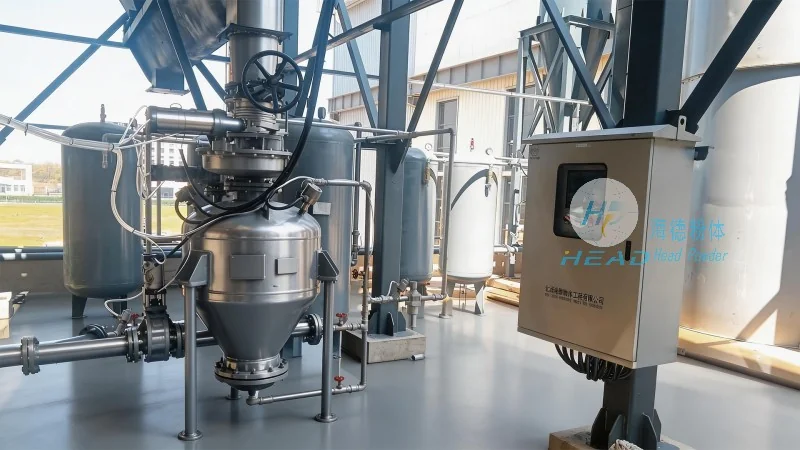
During operation, the raw material is introduced into the feed hopper. The air compressor then generates a flow of air, which is directed into the pipeline. As the air flows through the conveying line, it lifts and transports the raw material particles. The system's design, including the velocity of the air and the diameter of the pipeline, is optimized to ensure that the material moves smoothly without causing blockages or excessive wear on the equipment.
Advantages of Pneumatic Conveying for Cement Production
Implementing pneumatic conveying systems in cement production offers numerous advantages. Firstly, it provides a dust-free environment, which enhances workplace safety and reduces the risk of material contamination. Secondly, the system is highly efficient, with minimal energy loss compared to other transport methods. Thirdly, it allows for flexible and scalable solutions, as the system can be easily expanded or reconfigured to accommodate changes in production volume or layout. Additionally, the non-contact nature of the process prevents material degradation and ensures consistent quality of the raw materials.
Application in Cement Manufacturing Processes
Pneumatic conveying systems are integral to various stages of cement manufacturing. They are commonly used to transport raw materials from storage silos to the grinding mills, where they are processed into fine powders. The system can also be employed to move finished cement products from the production line to storage facilities or shipping points. The ability to handle different types of raw materials, including limestone, clay, and iron ore, makes these systems versatile and adaptable to diverse cement production requirements.
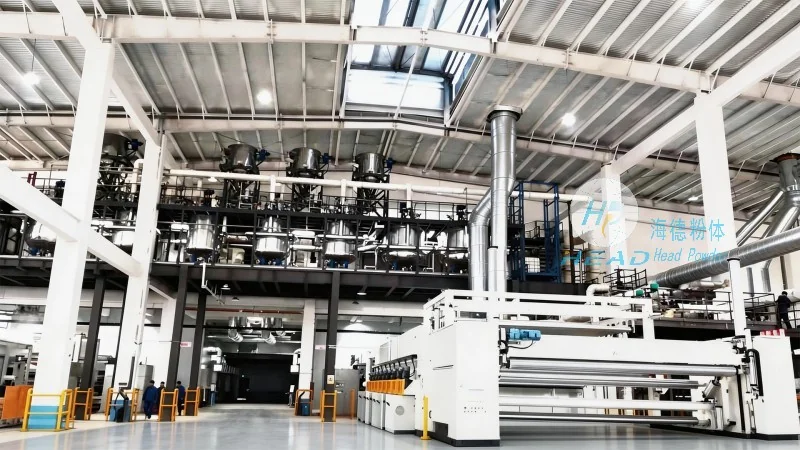
Technical Innovations and Customization
HeadPowder Engineering Co., Ltd. leverages cutting-edge technology to design customized pneumatic conveying systems tailored to the specific needs of each client. This includes advanced control systems that monitor and adjust air pressure and flow rates in real-time, ensuring optimal performance. The company also incorporates materials with high wear resistance, such as stainless steel or special alloys, to extend the lifespan of the conveying components and reduce maintenance costs. Furthermore, the systems are designed to meet international safety and environmental standards, ensuring compliance with regulations while maintaining operational efficiency.
Conclusion
For companies in the cement industry, pneumatic conveying systems represent a superior solution for handling raw materials with precision and efficiency. By understanding the fundamental principles and benefits of these systems, manufacturers can enhance their production processes, improve safety, and reduce operational costs. HeadPowder Engineering Co., Ltd., with its expertise and commitment to innovation, continues to provide reliable and effective pneumatic conveying solutions that meet the evolving demands of the cement industry.