Hydraulic lime powder, also known as slaked lime or calcium hydroxide, is a widely used material in various industrial processes. Its application spans from construction to environmental remediation, making efficient and reliable material handling essential. Pneumatic conveying systems have emerged as a critical solution for transporting hydraulic lime powder, offering advantages such as dust control, reduced labor costs, and improved safety. This article provides an in-depth analysis of the classification of hydraulic lime powder pneumatic conveying systems and their practical applications.
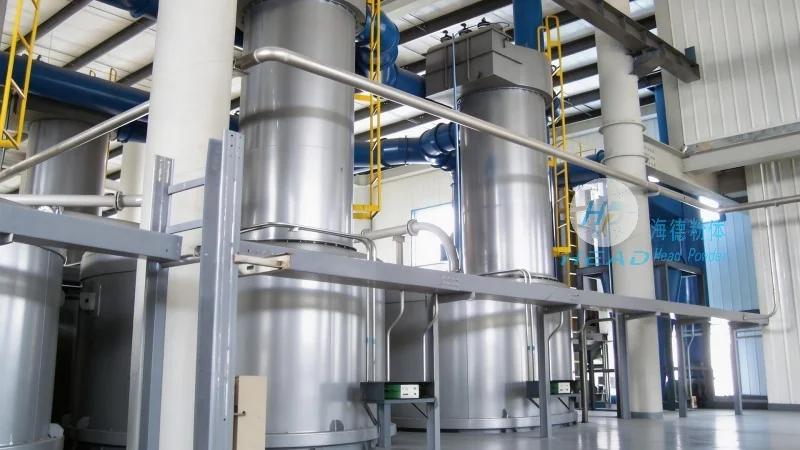
Introduction to Hydraulic Lime Powder and Pneumatic Conveying
Hydraulic lime powder is a fine, white powder derived from the slaking of quicklime (calcium oxide) with water. It is characterized by its high alkalinity and reactivity, making it suitable for applications like soil stabilization, water treatment, and flue gas desulfurization. Traditional methods of transporting this material, such as manual handling or mechanical conveyors, often face challenges like dust generation, material degradation, and operational inefficiencies. Pneumatic conveying systems address these issues by using air to transport the powder in a sealed environment, ensuring minimal contamination and optimal material integrity.
Key Components of Hydraulic Lime Powder Pneumatic Conveying Systems
All pneumatic conveying systems for hydraulic lime powder consist of several core components that work in tandem to ensure efficient operation. The primary components include a hopper or storage silo for material storage, a feeder to control the flow rate, a conveying line (usually made of stainless steel or other corrosion-resistant materials), a vacuum or pressure source to generate the air flow, and a receiver or discharge unit to collect the material at the destination. The choice of components depends on the specific application, material characteristics, and operational requirements.
Classification of Hydraulic Lime Powder Pneumatic Conveying Systems
Pneumatic conveying systems for hydraulic lime powder can be broadly classified into two main categories based on the air flow principle: vacuum systems and pressure systems. Each type has distinct characteristics and is suited for different scenarios.
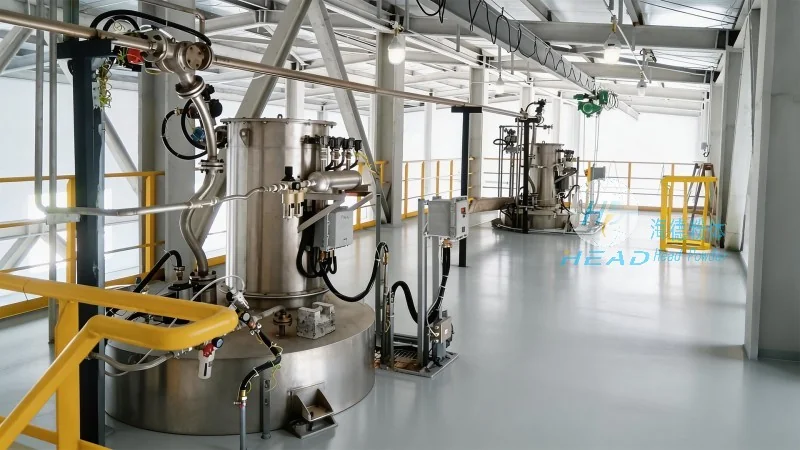
Vacuum Pneumatic Conveying Systems
Vacuum systems operate by creating a negative pressure in the conveying line, drawing the material from the source to the receiver. These systems are typically used for short to medium distances and low to moderate material flow rates. They are particularly effective for applications where the material needs to be transported from a central storage point to multiple destinations or where the material is sensitive to pressure changes. The key advantages of vacuum systems include low energy consumption for low flow rates and the ability to handle fine powders without excessive pressure.
Pressure Pneumatic Conveying Systems
Pressure systems, on the other hand, use positive pressure to push the material through the conveying line. These systems are more suitable for longer distances and higher material flow rates. They are commonly used in industrial settings where the material needs to be transported from a production facility to a processing plant or for bulk material handling. Pressure systems offer higher conveying capacity and are generally more efficient for high-volume applications. However, they require more energy and may be more complex to install and maintain.
Application Analysis of Hydraulic Lime Powder Pneumatic Conveying Systems
The selection of a pneumatic conveying system for hydraulic lime powder depends on the specific application requirements. Below are some common applications and the corresponding system configurations:
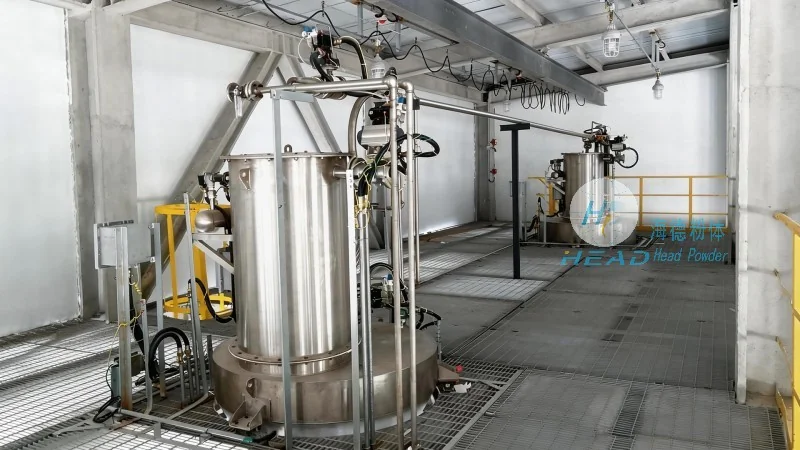
Construction and Building Materials Industry
In the construction sector, hydraulic lime powder is used as a binder in mortar and plaster, and for soil stabilization in foundation work. Pneumatic conveying systems are ideal for transporting this material to construction sites, ensuring a consistent supply of high-quality powder. The systems are often designed with dust collection and filtration to meet environmental regulations and maintain workplace safety. For example, a vacuum system might be used to transport lime powder from a storage silo to a mixing plant, while a pressure system could be employed to distribute the material to multiple job sites.
Environmental Remediation and Water Treatment
Hydraulic lime powder plays a crucial role in environmental remediation, particularly in the treatment of acidic soils and industrial wastewater. Pneumatic conveying systems are used to transport the lime powder to treatment facilities, where it is mixed with water to neutralize acidic conditions. The systems must be designed to handle corrosive materials and ensure minimal contamination of the treated water. A pressure system is often preferred in this application due to its higher capacity and ability to handle larger volumes of material over longer distances.
Industrial Manufacturing and Processing
In industrial manufacturing, hydraulic lime powder is used as a raw material in the production of cement, glass, and other chemical products. Pneumatic conveying systems are integrated into production lines to transport the powder from storage to processing units. The systems are typically equipped with advanced control mechanisms to maintain consistent flow rates and prevent material blockages. For instance, a combination of vacuum and pressure systems might be used in a multi-stage conveying process, where the material is first transported from a silo to an intermediate hopper using a vacuum system, and then from the hopper to the processing unit using a pressure system.
Advantages and Considerations for Hydraulic Lime Powder Pneumatic Conveying
Implementing pneumatic conveying systems for hydraulic lime powder offers several advantages, including improved material handling efficiency, reduced labor costs, and enhanced safety. However, there are also considerations to keep in mind, such as system maintenance, material compatibility, and energy consumption.
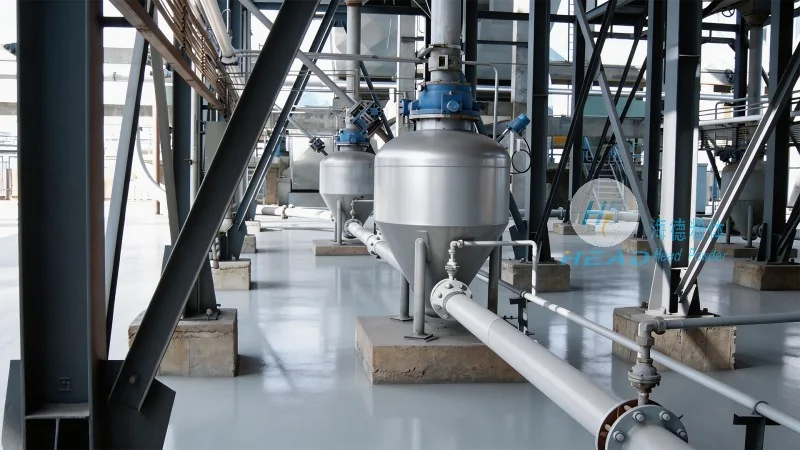
Advantages
One of the primary advantages of pneumatic conveying is the ability to transport hydraulic lime powder in a sealed environment, which minimizes dust exposure and prevents material contamination. This is particularly important for applications where the material is used in food or pharmaceutical industries. Additionally, pneumatic systems can handle fine powders without the need for mechanical components that might cause material degradation. The systems also offer flexibility in terms of layout, allowing for horizontal, vertical, or inclined conveying lines as needed.
Considerations
While pneumatic conveying systems are efficient, they require regular maintenance to ensure optimal performance. The conveying lines and components must be cleaned and inspected regularly to prevent blockages and corrosion. Material compatibility is another critical factor, as hydraulic lime powder can be corrosive to certain materials like steel or rubber. Therefore, the system components are typically made of stainless steel or other corrosion-resistant materials to extend the system's lifespan. Energy consumption is also a consideration, especially for large-scale systems. However, advancements in system design have led to more energy-efficient solutions, such as variable speed drives and optimized air flow control.
Conclusion
Pneumatic conveying systems are a vital technology for the efficient and safe handling of hydraulic lime powder. The classification of these systems into vacuum and pressure types allows for tailored solutions based on specific application requirements. By understanding the key components, advantages, and considerations of pneumatic conveying, industries can select the most appropriate system to meet their operational needs. As the demand for hydraulic lime powder continues to grow, the development of advanced pneumatic conveying systems will remain crucial in ensuring sustainable and efficient material handling practices.




