HeadPowder, a leading enterprise in the field of material handling technology, specializes in the design, manufacturing, and application of pneumatic conveying systems tailored for glass particles. With a focus on efficiency, reliability, and innovation, the company provides comprehensive solutions that address the unique challenges associated with transporting glass materials. This article delves into the classification of pneumatic conveying systems suitable for glass particles and explores their practical applications in various industrial settings.
Classification of Pneumatic Conveying Systems for Glass Particles
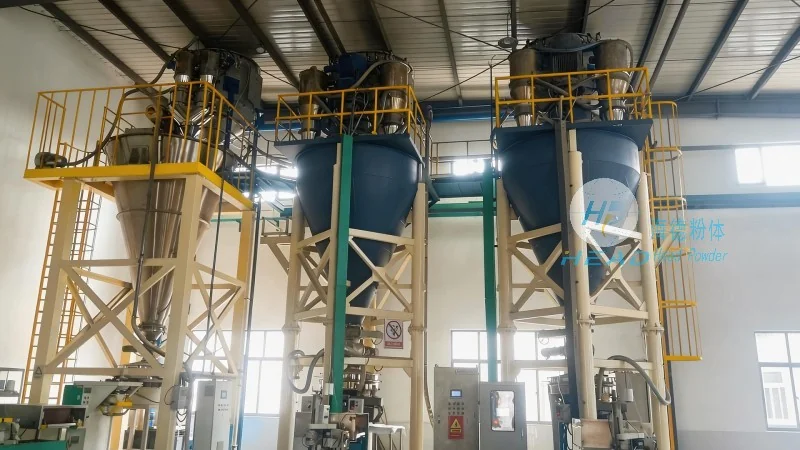
Pneumatic conveying systems for glass particles can be broadly categorized based on the pressure and flow characteristics of the system. The primary classifications include positive pressure systems, negative pressure systems, and hybrid systems. Each type offers distinct advantages and is suited to different operational requirements.
Positive Pressure Pneumatic Conveying Systems
Positive pressure systems operate by blowing air or gas into the conveying line, creating a pressure higher than the ambient air pressure. This method is particularly effective for transporting glass particles over long distances or through complex layouts. The system typically uses a blower or compressor to generate the necessary pressure, ensuring consistent material flow. For glass particles, positive pressure systems are often preferred when the material is to be conveyed from a central source to multiple destinations, as they can maintain a stable flow rate and prevent material degradation. The design of these systems includes features such as pulse-jet cleaning to prevent clogging, which is crucial for glass particles that may have fine or abrasive characteristics. HeadPowder's positive pressure solutions are engineered to handle the specific properties of glass, such as low density and potential for static charge, ensuring safe and efficient operation.
Negative Pressure Pneumatic Conveying Systems
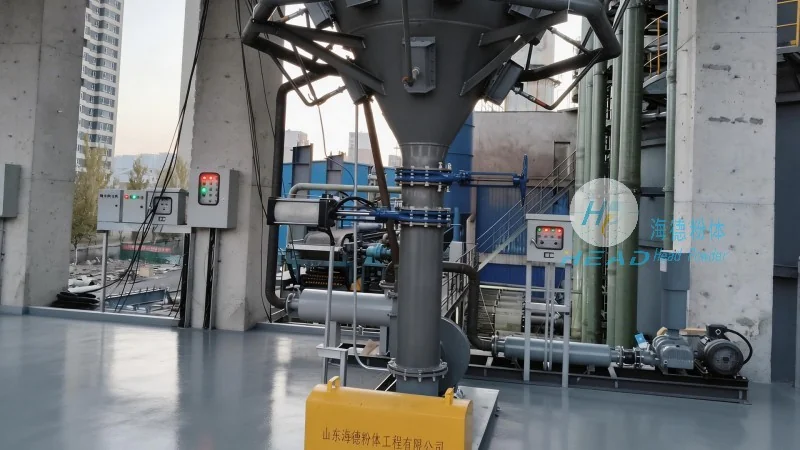
Negative pressure systems, also known as vacuum systems, operate by creating a vacuum in the conveying line, drawing material from the source into the system. This approach is ideal for applications where the material needs to be collected from multiple points or where the system is located at a higher elevation than the source. The vacuum is generated by a fan or vacuum pump, and the system is designed to maintain a consistent negative pressure throughout the conveying path. For glass particles, negative pressure systems are commonly used in applications involving the collection of fine glass dust or the transfer of glass from a hopper to a processing unit. The key advantage of negative pressure systems is their ability to handle materials with low bulk density and to minimize the risk of dust dispersion, which is critical for maintaining air quality and safety in industrial environments. HeadPowder's negative pressure solutions are equipped with advanced filtration systems to ensure compliance with environmental regulations and to protect the equipment from abrasive glass particles.
Hybrid Pneumatic Conveying Systems
Hybrid systems combine elements of both positive and negative pressure systems, offering flexibility in material handling. These systems can operate in either positive or negative pressure modes depending on the operational needs, allowing for versatile applications. For glass particles, hybrid systems are suitable for complex conveying scenarios where the material must be transported over varying distances or through different types of equipment. The hybrid approach enables the use of both pressure and vacuum to optimize the conveying process, reducing energy consumption and improving overall efficiency. HeadPowder's hybrid solutions are designed to adapt to changing production demands, providing a robust and adaptable system for glass particle transportation. The integration of positive and negative pressure components allows for better control over the material flow, ensuring that the system can handle the unique challenges posed by glass particles, such as variations in particle size and shape.
Application Analysis of Pneumatic Conveying Systems for Glass Particles
The application of pneumatic conveying systems for glass particles is influenced by several factors, including the nature of the glass material, the distance of transport, and the specific requirements of the industrial process. Different industries utilize these systems for various purposes, such as raw material transport, waste handling, and product processing. In the glass manufacturing industry, for example, pneumatic conveying is used to transport raw materials like sand, soda ash, and limestone from storage silos to the melting furnace. The efficiency of the system directly impacts the production rate and quality of the final glass products. HeadPowder's systems are tailored to meet these specific needs, ensuring that the glass particles are conveyed at the optimal temperature and flow rate to maintain the quality of the melt.
Industrial Applications in Glass Production
In the glass manufacturing sector, pneumatic conveying systems play a critical role in the efficient handling of raw materials and finished products. The transportation of raw materials from storage facilities to the production line is a key application, as it ensures a continuous supply of materials without interruptions. HeadPowder's positive pressure systems are commonly used for this purpose, as they can handle large volumes of glass particles over long distances with minimal energy consumption. The systems are designed to maintain the integrity of the glass particles, preventing breakage or contamination during transport. Another application is the transfer of finished glass products, such as glass bottles or containers, from the production line to packaging or storage areas. Negative pressure systems are often employed here, as they can handle the lightweight and fragile nature of the finished products while minimizing the risk of damage. HeadPowder's systems are equipped with specialized components, such as flexible hoses and gentle handling mechanisms, to protect the glass products during transfer.
Waste Handling and Recycling
Pneumatic conveying systems are also widely used in the recycling and waste management of glass materials. The collection of glass waste from various sources, such as recycling centers or manufacturing facilities, requires efficient and hygienic handling. HeadPowder's negative pressure systems are ideal for this application, as they can safely collect glass waste without generating dust or exposing workers to hazardous materials. The systems are equipped with high-efficiency filters to capture fine glass particles, ensuring that the air is clean and the environment is safe. The collected glass waste is then transported to recycling facilities for processing, where it is melted and reused in new glass products. This application highlights the importance of pneumatic conveying systems in promoting sustainable practices in the glass industry. HeadPowder's solutions are designed to support the entire recycling process, from waste collection to material processing, ensuring that the glass is handled in an environmentally friendly manner.
Customization and Integration with Existing Systems
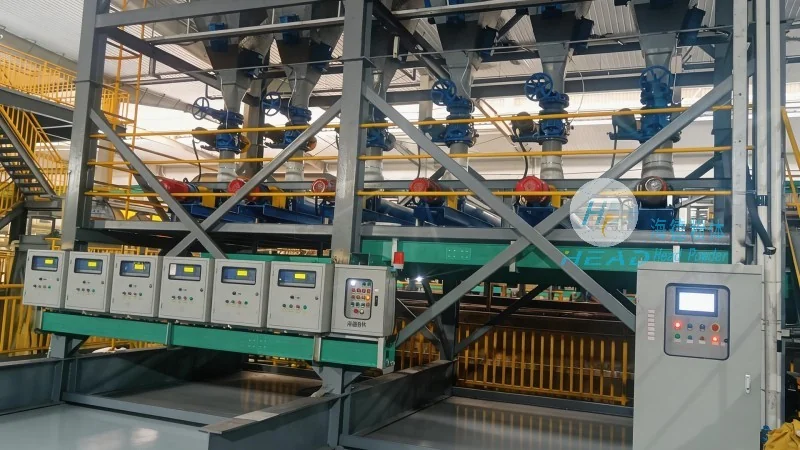
HeadPowder recognizes that each industrial application has unique requirements, and therefore, offers customized pneumatic conveying systems tailored to the specific needs of clients. The company works closely with customers to understand their operational challenges and design systems that integrate seamlessly with existing infrastructure. Customization may include adjustments to the system's pressure, flow rate, or components to optimize performance. For glass particle applications, HeadPowder's engineers consider factors such as particle size distribution, moisture content, and potential for static charge to design a system that is both efficient and reliable. The integration of sensors and control systems allows for real-time monitoring of the conveying process, enabling operators to adjust parameters as needed and prevent issues such as clogging or material loss. HeadPowder's commitment to customization ensures that clients receive a system that meets their specific requirements while adhering to industry standards and regulations.
Advantages and Considerations in Glass Particle Conveying
When selecting a pneumatic conveying system for glass particles, several advantages and considerations must be taken into account. The primary advantages include high efficiency in material transport, reduced labor costs, and improved safety compared to traditional methods like manual handling or belt conveyors. Pneumatic systems also offer flexibility in terms of layout and can be adapted to changing production needs. However, there are also considerations to keep in mind, such as the potential for system wear due to abrasive glass particles and the need for regular maintenance to prevent clogging. HeadPowder's systems are designed with durability in mind, using high-quality materials and components that can withstand the harsh conditions of glass particle transport. The company also provides comprehensive maintenance and support services to ensure that the systems operate at peak performance. Additionally, the energy consumption of pneumatic systems should be considered, as efficient design can help reduce operational costs. HeadPowder's systems incorporate energy-saving features, such as variable speed drives and optimized air flow, to minimize energy usage while maintaining performance.
Conclusion
Pneumatic conveying systems for glass particles offer a reliable and efficient solution for material handling in various industrial applications. The classification of these systems, including positive pressure, negative pressure, and hybrid options, allows for selection based on specific operational requirements. HeadPowder, with its expertise in material handling technology, provides customized solutions that address the unique challenges of glass particle transport. By understanding the properties of glass materials and designing systems that optimize flow, pressure, and control, HeadPowder ensures that clients achieve high performance and operational efficiency. The applications in glass manufacturing, waste handling, and recycling demonstrate the versatility and importance of pneumatic conveying systems in the industry. As the demand for efficient and sustainable material handling solutions continues to grow, HeadPowder remains committed to providing innovative and effective solutions for glass particle transportation, supporting the advancement of the glass industry and promoting sustainable practices.




