Understanding rare earth powder pneumatic conveying is crucial for industries dealing with these specialized materials. This article explores the fundamentals of pneumatic conveying systems, particularly those used for transporting rare earth powders, along with the different classifications and practical applications of such systems.
Introduction to Rare Earth Powder Pneumatic Conveying
Rare earth powders, such as those containing elements like neodymium, praseodymium, and cerium, are critical components in modern manufacturing, especially in electronics, automotive, and renewable energy sectors. Transporting these powders efficiently and safely is essential to maintain production quality and minimize material loss. Pneumatic conveying offers a non-contact, flexible method for moving these fine powders, which are often sensitive to moisture and contamination.
What is Pneumatic Conveying?
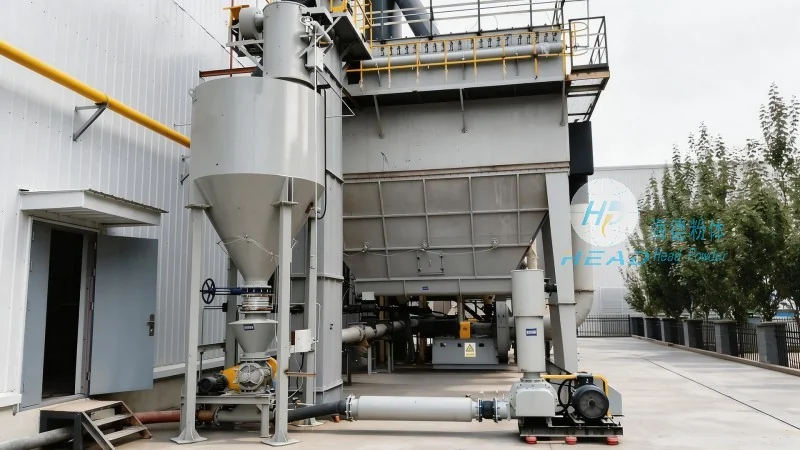
Pneumatic conveying is a technique that uses air or other gases to transport bulk materials, including powders and granules, through a pipeline. Unlike mechanical systems like belt conveyors or screw conveyors, pneumatic systems do not require physical contact with the material, reducing wear and the risk of contamination. The process typically involves a source of air (like a blower or compressor), a hopper to hold the material, and a pipeline to direct the material to its destination.
Classification of Pneumatic Conveying Systems
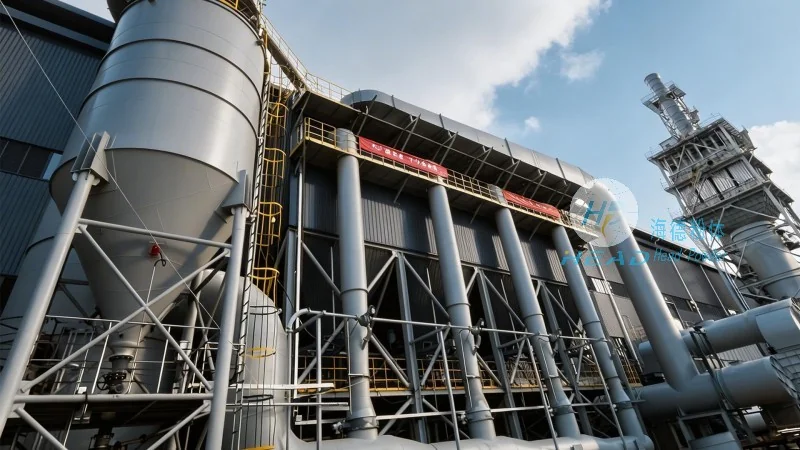
Pneumatic conveying systems are generally classified into two main types: dilute-phase and dense-phase. Dilute-phase systems operate at higher air velocities, typically moving material in a suspended state, while dense-phase systems use lower air velocities to push material in a plug or slurry form. Each type has its own advantages and is suited to different material characteristics and application requirements.
Dilute-Phase Pneumatic Conveying
Dilute-phase systems are commonly used for materials that are free-flowing and non-abrasive, such as rare earth powders. These systems operate at air velocities ranging from 20 to 100 meters per second, depending on the material's properties. The material is suspended in the air stream and travels through the pipeline. This method is efficient for long-distance transport and can handle high volumes of material. However, it may require larger air volumes and is more susceptible to pressure drops over long distances.
Dense-Phase Pneumatic Conveying
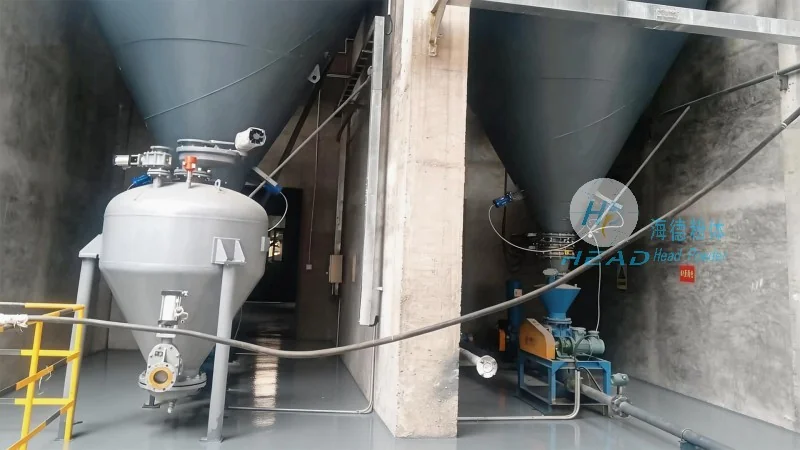
Dense-phase systems are preferred for materials that are cohesive or have higher density, as well as for applications requiring gentle handling. In this method, the material is conveyed in a compacted form, often with air velocities below 10 meters per second. The system uses a higher pressure and lower air volume compared to dilute-phase systems. This approach minimizes material degradation and is ideal for transporting sensitive powders like rare earths, where particle breakage or agglomeration must be avoided.
Applications of Pneumatic Conveying in Rare Earth Processing
The application of pneumatic conveying in rare earth powder processing varies based on the stage of production. In the mining and extraction phase, pneumatic systems are used to transport raw ore to processing facilities. During the refining and powder production stages, these systems are critical for moving intermediate products and final powders to storage or packaging areas. Additionally, in the manufacturing of components like magnets and catalysts, pneumatic conveying ensures that rare earth powders are delivered to production lines with minimal contamination and consistent quality.
Key Considerations for Pneumatic Conveying of Rare Earth Powders
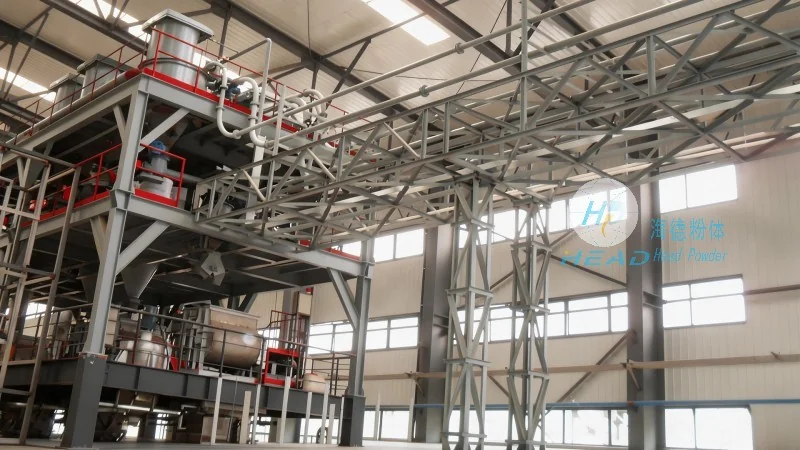
When implementing pneumatic conveying for rare earth powders, several factors must be considered to ensure optimal performance. Material properties, such as particle size, density, and moisture content, significantly impact system design. For example, fine rare earth powders may require higher air velocities to maintain suspension, while larger particles might need denser-phase systems to prevent blockages. System design also considers the need for dust control and environmental compliance, as rare earth powders can be hazardous if released into the air. Proper maintenance of components like hoppers, filters, and pipelines is essential to prevent material buildup and ensure long-term system reliability.
About Shandong HeadPowder Engineering Co., Ltd.
Shandong HeadPowder Engineering Co., Ltd., commonly known as HeadPowder, is a leading provider of pneumatic conveying solutions tailored for the rare earth industry. With a focus on innovation and customer satisfaction, HeadPowder designs and manufactures systems that meet the specific needs of rare earth powder handling. The company's expertise lies in understanding the unique challenges of transporting these specialized materials, ensuring that their systems are efficient, reliable, and safe. HeadPowder's solutions are used by clients across China and internationally, supporting their operations in rare earth processing and manufacturing.




