Glutinous rice, also known as sticky rice, is a staple food in many Asian cultures, prized for its unique texture and versatility in various culinary applications. The efficient and safe transportation of this delicate grain is crucial for manufacturers and processors, and pneumatic conveying systems have emerged as a reliable solution to meet these demands. This article explores the role of pneumatic conveying in the transportation of glutinous rice, highlighting its benefits, technical considerations, and the expertise of Shandong HeadPowder Engineering Co., Ltd. in implementing such systems.
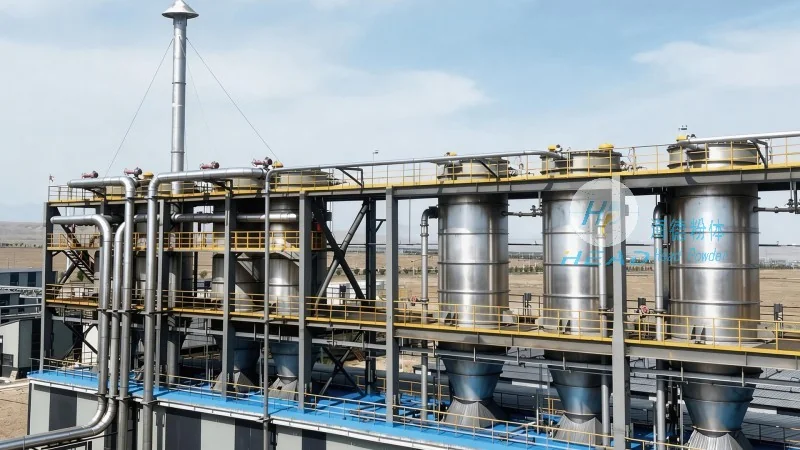
Glutinous rice, with its high starch content and sticky properties, presents specific challenges during handling and transportation. Traditional methods like belt conveyors or bucket elevators may cause grain damage, leading to quality degradation and increased processing costs. Pneumatic conveying, which uses air to transport materials in a sealed system, offers a gentle and efficient alternative. By creating a low-pressure or high-pressure air stream, the system can move glutinous rice through pipelines without direct contact, minimizing the risk of breakage and maintaining product integrity.
One of the key advantages of pneumatic conveying for glutinous rice is its ability to handle the grain's moisture content and sticky nature. Unlike mechanical systems that rely on friction and pressure, pneumatic systems use air to lift and transport the rice, reducing the likelihood of clogging or blockages. This is particularly important for wet or sticky varieties of glutinous rice, where traditional equipment may struggle to maintain flow. The sealed pipeline design also helps in controlling dust and preventing contamination, ensuring that the rice remains clean and safe for consumption.
Shandong HeadPowder Engineering Co., Ltd., a leading provider of pneumatic conveying solutions, specializes in designing and manufacturing systems tailored to the unique requirements of glutinous rice processing. The company's expertise lies in understanding the physical properties of different rice varieties and selecting the appropriate conveying technology. Their engineers work closely with clients to assess production volumes, space constraints, and specific handling needs, ensuring that the installed system is both efficient and cost-effective.
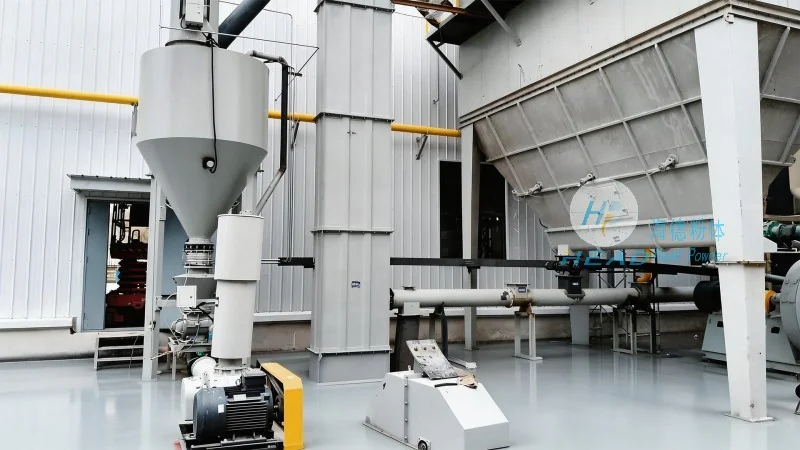
For manufacturers dealing with large quantities of glutinous rice, the scalability of pneumatic conveying systems is a significant benefit. These systems can be easily expanded or integrated with existing production lines, allowing for seamless growth without major disruptions. The modular design of pneumatic conveying equipment enables flexibility in layout and operation, making it suitable for both new installations and retrofits. This adaptability is crucial for businesses that need to adjust their processing capabilities based on market demand or seasonal variations.
Another critical aspect of pneumatic conveying in glutinous rice transportation is energy efficiency. Compared to traditional mechanical systems, pneumatic systems can operate with lower energy consumption, especially when using low-pressure air. This not only reduces operational costs but also aligns with the growing emphasis on sustainable and eco-friendly practices in the food industry. By optimizing air flow and system design, Shandong HeadPowder Engineering Co., Ltd. ensures that their solutions are not only effective but also environmentally responsible.
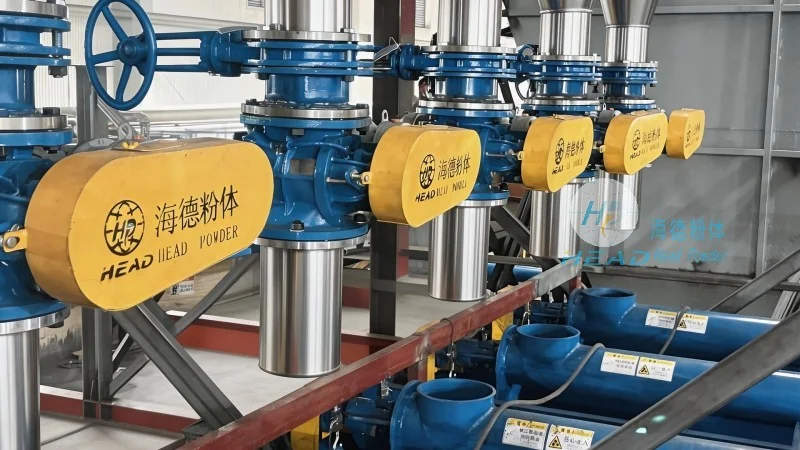
When considering the implementation of a pneumatic conveying system for glutinous rice, several technical factors must be taken into account. The choice between positive and negative pressure systems depends on the distance and elevation changes required for transportation. Positive pressure systems, which blow air into the pipeline, are ideal for short distances and horizontal transport, while negative pressure systems, which suck air out of the pipeline, are better suited for longer distances or vertical lifts. The material of the pipeline and components is also important, as it must be resistant to the acidic or alkaline properties of the rice and any cleaning agents used.
Shandong HeadPowder Engineering Co., Ltd. offers a range of materials for their conveying systems, including stainless steel, plastic, and special alloys, to meet the specific needs of different rice varieties. Their expertise in material selection ensures that the equipment can withstand the abrasive nature of glutinous rice and maintain its performance over time. Additionally, the company provides comprehensive maintenance and support services, helping clients to keep their systems running smoothly and efficiently.
In conclusion, pneumatic conveying plays a vital role in the efficient and safe transportation of glutinous rice. By leveraging the gentle handling and flexibility of air-based systems, manufacturers can improve product quality, reduce costs, and enhance operational efficiency. With the expertise of Shandong HeadPowder Engineering Co., Ltd., businesses can implement tailored pneumatic conveying solutions that meet their specific requirements, ensuring long-term success in the glutinous rice processing industry.




