Clay is a versatile and widely used material in various industrial applications, from construction to manufacturing. Efficient and reliable transport of clay is crucial for maintaining production efficiency and ensuring product quality. Pneumatic conveying has emerged as a significant technology in the field of material handling, offering unique advantages over traditional methods for transporting clay. This article explores the role of pneumatic conveying in the transport of clay, highlighting its benefits, applications, and the expertise of Shandong HeadPowder Engineering Co., Ltd. in this domain.
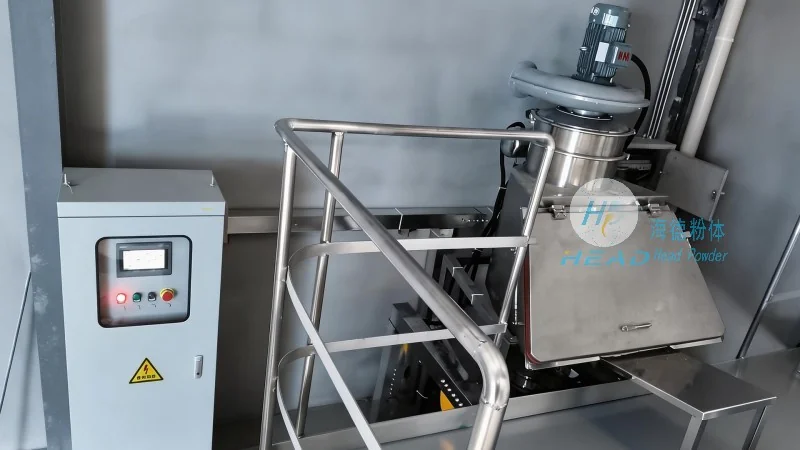
Understanding Pneumatic Conveying for Clay Transport
Pneumatic conveying involves the transport of bulk materials, such as clay, through a pipeline using air or gas as the conveying medium. Unlike mechanical conveying systems that rely on belts, buckets, or screws, pneumatic systems use pressure differentials to move materials. This method is particularly suitable for clay due to its fine particle size and potential for dust generation. The process typically involves a hopper, a conveying line, and a receiver, with air being introduced to create a flow of material through the system. Shandong HeadPowder Engineering Co., Ltd. specializes in designing and implementing such systems, ensuring optimal performance for clay transport.
Advantages of Pneumatic Conveying in Clay Handling
One of the primary advantages of pneumatic conveying for clay is its ability to handle fine and abrasive materials without causing excessive wear on equipment. Traditional methods, such as screw conveyors, may suffer from clogging or wear due to the abrasive nature of clay particles. Pneumatic systems, on the other hand, use air pressure to move materials, reducing mechanical stress and extending the lifespan of components. Additionally, pneumatic conveying offers flexibility in system design, allowing for vertical, horizontal, or combined (inclined) transport routes. This adaptability is crucial for industrial settings where space constraints or layout requirements dictate the transport path. The company, Shandong HeadPowder Engineering Co., Ltd., leverages this flexibility to design customized solutions that meet specific operational needs.
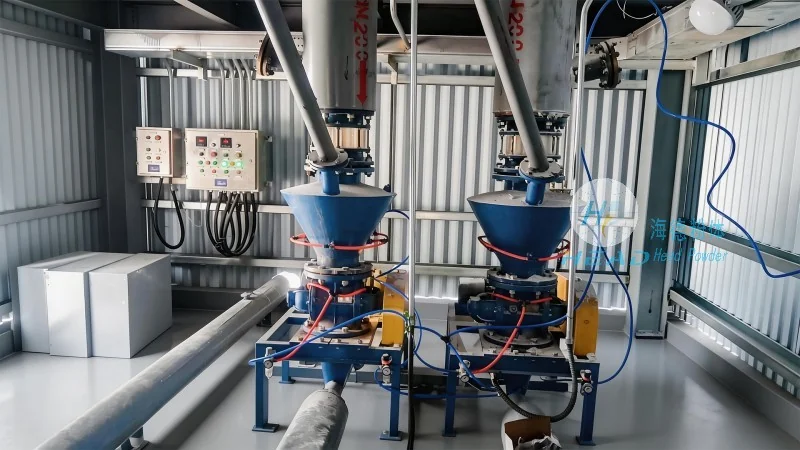
Applications in Industrial Processes
Clay is utilized in numerous industrial processes, including brick manufacturing, ceramics production, and chemical processing. In these applications, the consistent and efficient transport of clay is vital for maintaining production continuity. Pneumatic conveying systems are widely adopted in these industries due to their ability to handle large volumes of material with minimal maintenance. For instance, in brick factories, clay is transported from storage silos to mixing and molding units, where precise control over material flow is essential. Shandong HeadPowder Engineering Co., Ltd. has successfully implemented pneumatic conveying systems in such facilities, improving throughput and reducing downtime. Similarly, in ceramic plants, the transport of clay to kilns and finishing lines requires systems that can handle high temperatures and abrasive materials, which pneumatic conveying excels at.
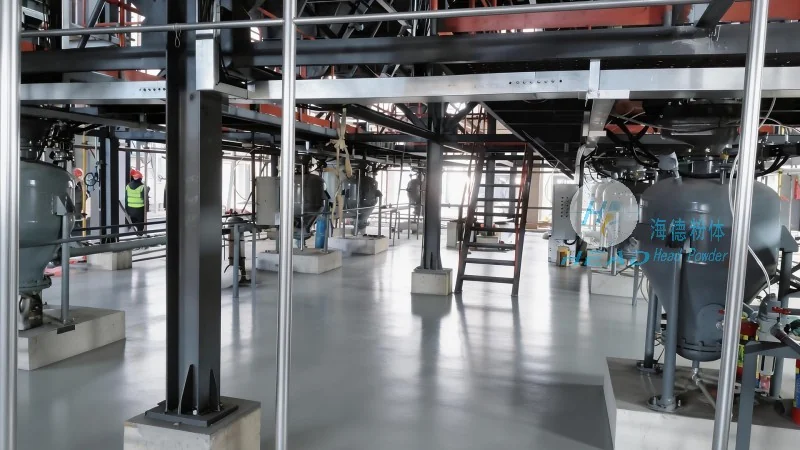
Technical Considerations and System Design
The success of pneumatic conveying systems for clay depends on several technical factors, including particle size distribution, moisture content, and material density. Shandong HeadPowder Engineering Co., Ltd. conducts thorough material analysis to determine the optimal conveying parameters, such as air velocity and pressure. The company’s engineers design systems with appropriate hopper designs to prevent material bridging and ensure smooth material flow. For clay, which can be prone to agglomeration, the use of air classifiers or rotary valves may be incorporated to maintain consistent particle size and prevent blockages. The company also considers the environmental impact of the system, ensuring that dust emissions are minimized through effective filtration and ventilation systems. This attention to detail ensures that the pneumatic conveying systems are not only efficient but also sustainable and compliant with industrial standards.
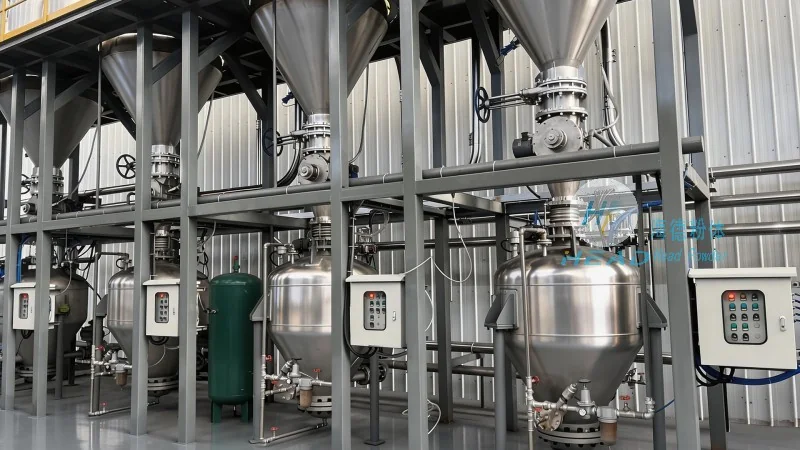
Case Studies and Real-World Implementations
Shandong HeadPowder Engineering Co., Ltd. has extensive experience in implementing pneumatic conveying systems for clay transport across various industries. One notable case involves a brick manufacturing plant in China, where the company designed a vertical pneumatic conveying system to transport clay from an outdoor storage area to an indoor mixing facility. The system was designed to handle 200 tons of clay per hour, with a vertical lift of 30 meters. The implementation resulted in a 20% increase in production efficiency and a reduction in labor costs associated with manual handling. Another case study is a ceramic plant that required the transport of clay from a raw material warehouse to a kiln line. The company’s solution involved a combination of horizontal and vertical conveying, using a high-pressure pneumatic system to ensure reliable transport even in adverse weather conditions. These case studies demonstrate the effectiveness of pneumatic conveying in improving operational performance and reducing costs.
Conclusion and Future Outlook
Pneumatic conveying plays a critical role in the efficient transport of clay, offering advantages in material handling, system flexibility, and operational efficiency. Shandong HeadPowder Engineering Co., Ltd. has established itself as a leader in designing and implementing such systems, leveraging its expertise in material handling and industrial engineering. The company’s commitment to customized solutions and technical excellence ensures that clients receive systems tailored to their specific needs. As industries continue to demand higher efficiency and reliability in material transport, pneumatic conveying will remain a key technology in the handling of clay and other fine materials. With its location in Shandong, China, Shandong HeadPowder Engineering Co., Ltd. is well-positioned to serve clients globally, providing innovative solutions that enhance productivity and sustainability in clay transport operations.




