For the cocoa industry, efficient and reliable material handling is crucial to maintaining product quality and operational efficiency. Pneumatic conveying systems have emerged as a preferred solution for transporting cocoa beans and related products due to their ability to handle delicate materials while minimizing contamination and degradation. This article explores the specific role of pneumatic conveying in cocoa transportation, highlighting its benefits, applications, and the technical considerations that make it an ideal choice for cocoa processing facilities.
Understanding Pneumatic Conveying Systems
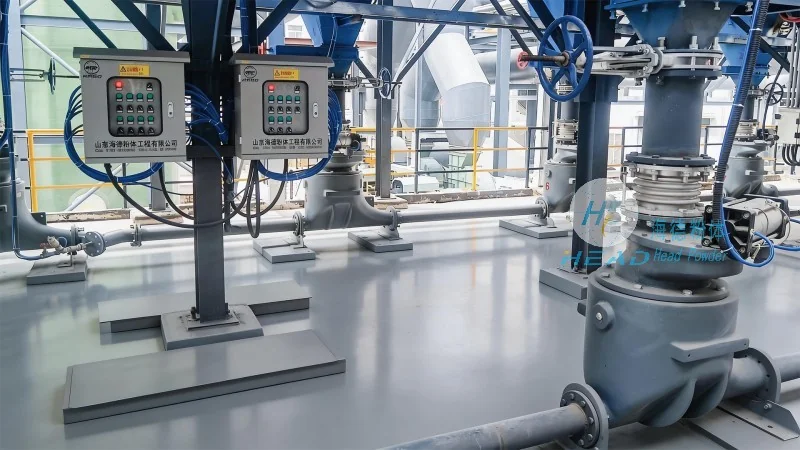
Pneumatic conveying uses compressed air or other gases to transport bulk materials through a pipeline system. In the context of cocoa transportation, this technology is particularly effective because it can handle the unique characteristics of cocoa beans, such as their size, moisture content, and susceptibility to breakage. The system typically consists of a hopper, a conveyor line, and a discharge point, with the material being drawn into the pipeline by the air flow. This method offers several advantages over traditional mechanical conveying, including reduced product damage, lower labor costs, and the ability to transport materials over long distances without the need for multiple transfer points.
Key Benefits of Pneumatic Conveying for Cocoa
One of the primary benefits of using pneumatic conveying for cocoa transportation is the preservation of product quality. Unlike mechanical systems that may cause friction and abrasion, pneumatic conveying uses air to move materials, reducing the risk of cracks or breakage in the cocoa beans. This is critical for maintaining the flavor and aroma of the final product, as damaged beans can lead to off-flavors and reduced market value. Additionally, pneumatic systems are highly hygienic, making them suitable for food processing environments where cleanliness is paramount. The enclosed pipeline design prevents contamination from external sources, ensuring that the cocoa remains free from dust, moisture, or other contaminants.
Applications in Cocoa Processing Facilities
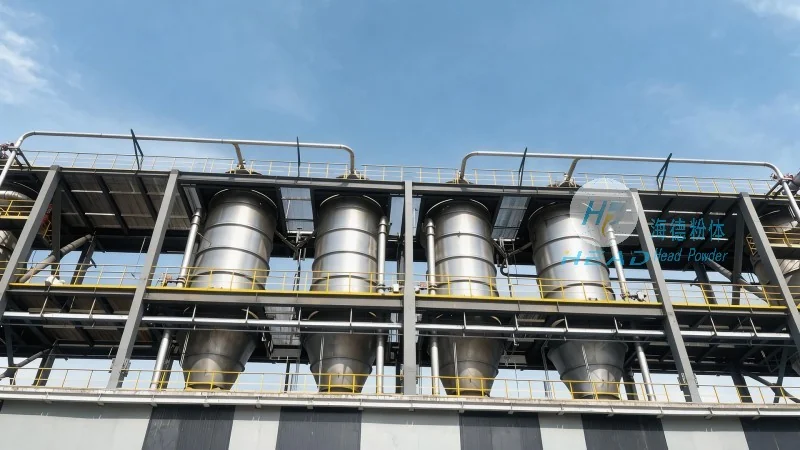
Pneumatic conveying is widely used in various stages of cocoa processing, from receiving raw cocoa beans to delivering finished products. In the receiving area, the system can efficiently transport cocoa from storage silos or trucks into processing equipment. During the roasting and grinding stages, pneumatic conveyors help move roasted beans and ground cocoa mass between different processing units, ensuring a smooth flow of materials. For packaging operations, the system can transport finished cocoa products, such as cocoa powder or chocolate, to packaging lines, maintaining consistent quality and preventing product loss.
Technical Considerations for Effective Cocoa Conveying
Implementing an effective pneumatic conveying system for cocoa requires careful consideration of several technical factors. The first is the choice of conveying method, which can be either pressure or vacuum. Pressure systems use compressed air to push materials through the pipeline, while vacuum systems use suction to draw materials in. For cocoa, pressure systems are often preferred as they can handle larger particles and longer distances more efficiently. Another critical factor is the air velocity and pressure, which must be optimized to prevent material degradation and ensure consistent flow. The pipeline design, including the use of bends, elbows, and filters, also plays a significant role in maintaining system efficiency and preventing blockages. Regular maintenance, such as cleaning filters and checking for air leaks, is essential to keep the system operating at peak performance.
HeadPowder Engineering: Expertise in Cocoa Pneumatic Conveying
Shandong HeadPowder Engineering Co., Ltd., commonly known as HeadPowder, is a leading provider of pneumatic conveying solutions tailored to the cocoa industry. With years of experience in engineering and manufacturing, HeadPowder specializes in designing and installing customized systems that meet the specific needs of cocoa processing facilities. The company’s expertise lies in understanding the unique challenges of cocoa transportation, such as the need for gentle handling and hygienic conditions, and translating these requirements into effective technical solutions. HeadPowder’s team of engineers works closely with clients to assess their operational requirements, material characteristics, and space constraints, ensuring that the final system is both efficient and cost-effective.
Customized Solutions for Diverse Cocoa Handling Needs
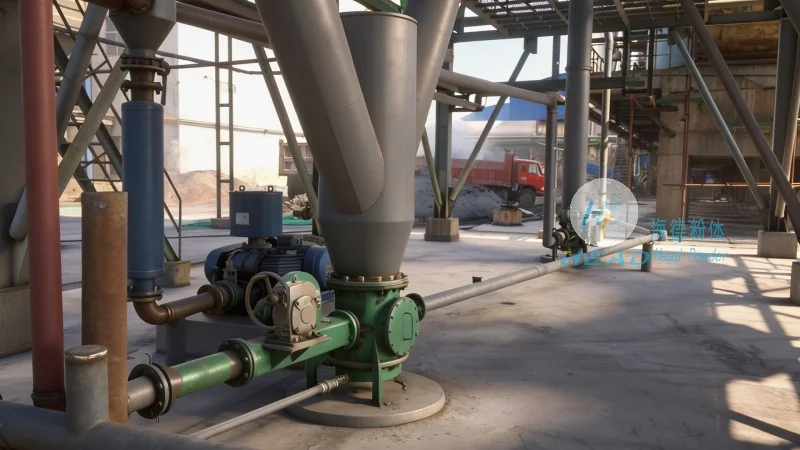
HeadPowder offers a range of pneumatic conveying systems designed to accommodate different cocoa processing requirements. For example, the company provides pressure conveying systems suitable for transporting whole cocoa beans over long distances, as well as vacuum systems ideal for handling fine cocoa powders and ground products. The systems can be equipped with various components, including cyclone separators, rotary valves, and dust collectors, to enhance performance and ensure compliance with industry standards. HeadPowder also provides comprehensive support services, including system installation, commissioning, and ongoing maintenance, to ensure that clients can maximize the benefits of their investment.
Conclusion: The Importance of Reliable Cocoa Transportation
In conclusion, pneumatic conveying plays a vital role in ensuring the efficient and high-quality transportation of cocoa in the industry. By leveraging the benefits of air-based material handling, processing facilities can maintain product integrity, reduce operational costs, and improve overall productivity. Companies like Shandong HeadPowder Engineering Co., Ltd. play a crucial role in providing the technical expertise and customized solutions needed to implement effective pneumatic conveying systems for cocoa transportation. As the cocoa industry continues to grow, the importance of reliable material handling will only increase, making pneumatic conveying an essential component of modern cocoa processing operations.




