HeadPowder Engineering Co., Ltd., a leading manufacturer based in Shandong, China, specializes in providing advanced solutions for material handling, particularly in the field of pneumatic conveying systems for PE (polyethylene) granules. This article explores the different types of pneumatic conveying systems and their practical applications in industrial settings, highlighting the efficiency and versatility of these technologies.
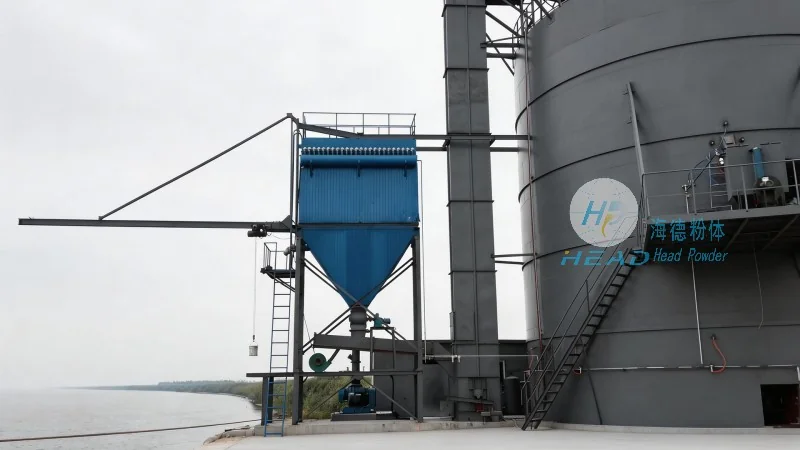
Introduction to Pneumatic Conveying Systems for PE Granules
Pneumatic conveying systems are essential for transporting PE granules in various industrial processes, offering a reliable and efficient method to move bulk materials from one location to another. These systems utilize air or gas as the conveying medium, enabling the transport of granular materials through pipelines without the need for mechanical components like belts or buckets. The choice of system type depends on factors such as material characteristics, distance, and the required flow rate, making it crucial to understand the different options available.
Types of Pneumatic Conveying Systems
There are primarily two types of pneumatic conveying systems used for PE granule transport: pressure and vacuum systems. Each type has distinct characteristics and is suitable for different operational conditions.
Pressure Conveying Systems
Pressure systems operate by introducing compressed air or gas into the material stream, creating a pressure differential that propels the granules through the pipeline. These systems are typically used for short to medium distances and can handle a wide range of material sizes and densities. The main advantages of pressure systems include high conveying capacity, the ability to handle abrasive materials, and the flexibility to transport materials over long distances with minimal pressure drop. However, they require a robust compressor and may be more complex to install and maintain compared to vacuum systems.
Vacuum Conveying Systems
Vacuum systems, on the other hand, create a negative pressure in the pipeline, drawing the material from the source and moving it towards the destination. These systems are ideal for applications where the material needs to be transported from a higher elevation to a lower one or over relatively short distances. They are often preferred for handling fine or dusty materials as they can maintain a consistent flow without causing excessive material degradation. Vacuum systems are generally simpler in design and easier to install, making them a cost-effective option for many industrial applications.
Practical Applications of Pneumatic Conveying Systems
The versatility of pneumatic conveying systems makes them suitable for a wide range of applications in the PE granule handling industry. Some of the most common practical applications include:
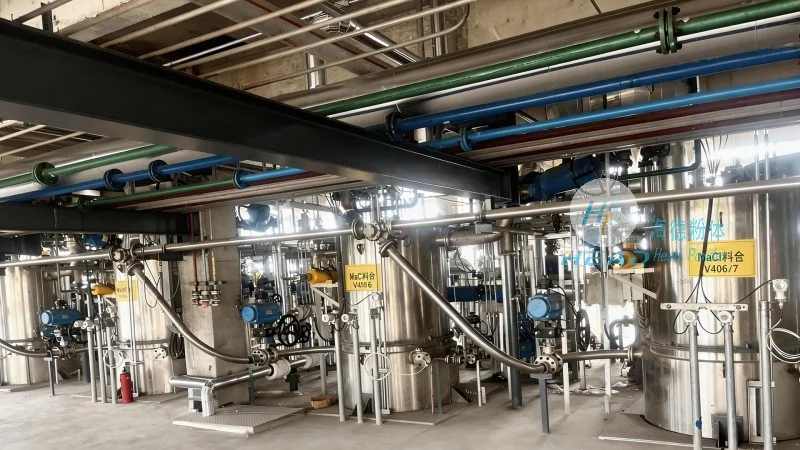
1. Manufacturing and Processing Plants
In PE manufacturing facilities, pneumatic conveying systems are used to transport raw materials from storage silos to processing equipment, such as extruders and mixers. This ensures a continuous and controlled supply of granules, reducing downtime and improving production efficiency. The systems can handle large volumes of material and maintain a consistent flow rate, which is critical for maintaining product quality and consistency.
2. Packaging and Handling Operations
During the packaging stage, pneumatic conveying systems are employed to move PE granules from processing areas to packaging machines or storage containers. This allows for automated and efficient packaging, reducing manual labor and minimizing the risk of material contamination. The systems can be integrated with packaging lines to ensure a seamless flow of materials from production to final packaging.
3. Waste Management and Recycling
In waste management and recycling facilities, pneumatic conveying systems are used to transport PE granules from collection points to recycling centers. This helps in the efficient collection and processing of recyclable materials, contributing to sustainable waste management practices. The systems can handle mixed materials and ensure that the PE granules are separated and processed correctly, maximizing the recycling yield.
4. Chemical and Pharmaceutical Industries
Although less common for PE granules, pneumatic conveying systems are also used in the chemical and pharmaceutical industries for transporting similar granular materials. These systems are designed to maintain a sterile and controlled environment, ensuring that the materials are handled without contamination. The systems can be customized to meet the specific requirements of these industries, including the use of corrosion-resistant materials and advanced filtration systems.
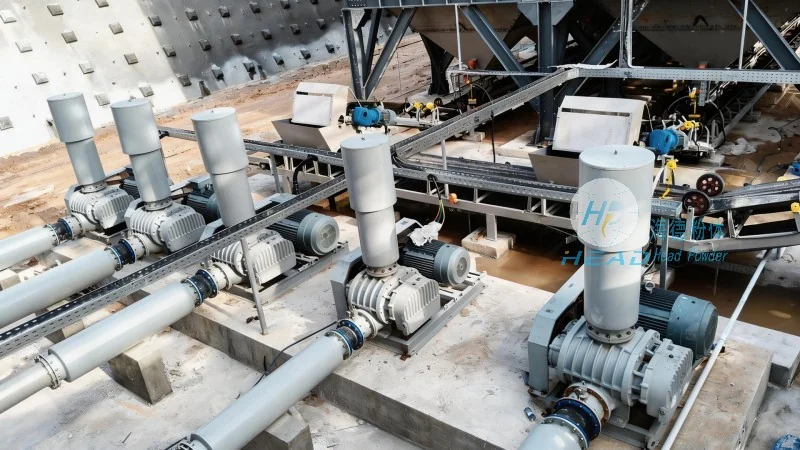
Benefits of Using Pneumatic Conveying Systems for PE Granules
Implementing pneumatic conveying systems for PE granule transport offers several benefits that enhance operational efficiency and product quality. Some of the key advantages include:
1. Increased Efficiency and Productivity
Pneumatic conveying systems enable continuous and automated material transport, reducing the need for manual handling and minimizing downtime. This leads to increased production rates and improved overall efficiency in industrial operations. The systems can handle high volumes of material at a consistent flow rate, ensuring that production processes run smoothly without interruptions.
2. Improved Material Handling and Safety
By eliminating the need for manual handling of PE granules, pneumatic conveying systems reduce the risk of workplace accidents and injuries. The systems also prevent material contamination, which is crucial for maintaining product quality and meeting regulatory standards. Additionally, the enclosed pipeline system reduces dust emissions, contributing to a safer and cleaner working environment.
3. Cost-Effective and Low Maintenance
Compared to traditional mechanical conveying systems, pneumatic conveying systems are often more cost-effective in the long run. They require less maintenance as there are fewer moving parts, and the initial installation costs can be lower for certain applications. The systems are also energy-efficient, as they use compressed air or vacuum to transport materials, reducing energy consumption and operational costs.
Conclusion
HeadPowder Engineering Co., Ltd. provides high-quality pneumatic conveying systems tailored to the specific needs of PE granule transport. By understanding the different types of systems and their practical applications, industrial facilities can choose the most suitable solution to enhance their material handling processes. The benefits of these systems, including increased efficiency, improved safety, and cost-effectiveness, make them an essential component in modern industrial operations. As a leading manufacturer based in Shandong, China, HeadPowder Engineering Co., Ltd. continues to innovate and provide advanced solutions for the material handling industry, ensuring that clients achieve optimal performance and productivity in their operations.




