Graphite, a versatile material widely used in various industries such as refractory, battery, and lubricant manufacturing, often requires efficient and reliable material handling solutions. Pneumatic conveying systems have emerged as a preferred method for transporting graphite due to their ability to handle fine powders and minimize contamination. Among the different types of pneumatic conveying, negative pressure and positive pressure systems are the two primary approaches. This article provides a detailed comparison of the advantages and disadvantages of negative pressure versus positive pressure conveying in the context of graphite transport, with a focus on practical applications and operational considerations.
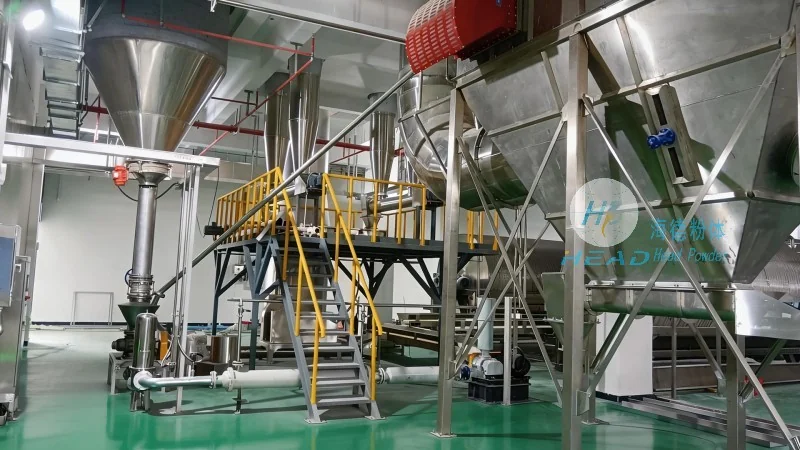
Introduction to Graphite Pneumatic Conveying Systems
Before delving into the comparison of negative and positive pressure conveying, it is essential to understand the fundamental principles of pneumatic conveying. Pneumatic conveying involves the transport of solid particles through a pipeline using air or gas as the conveying medium. The system typically consists of a hopper, a conveying line, a dust collector, and a discharge point. The choice of conveying method—negative or positive pressure—depends on factors like material properties, distance, and environmental requirements.
Negative Pressure Conveying: Principles and Benefits
Negative pressure conveying, also known as suction conveying, operates by creating a vacuum at the receiving end of the system. The vacuum draws the material from the source (e.g., a hopper or silo) into the conveying line. This method is particularly suitable for applications where the material needs to be transported from a higher elevation to a lower one, or where the material is sensitive to pressure changes. One of the key benefits of negative pressure conveying is its ability to handle fine and abrasive powders without causing excessive wear on the system components. Additionally, negative pressure systems are generally more energy-efficient for short to medium distances, as they require less power to maintain the vacuum compared to positive pressure systems.
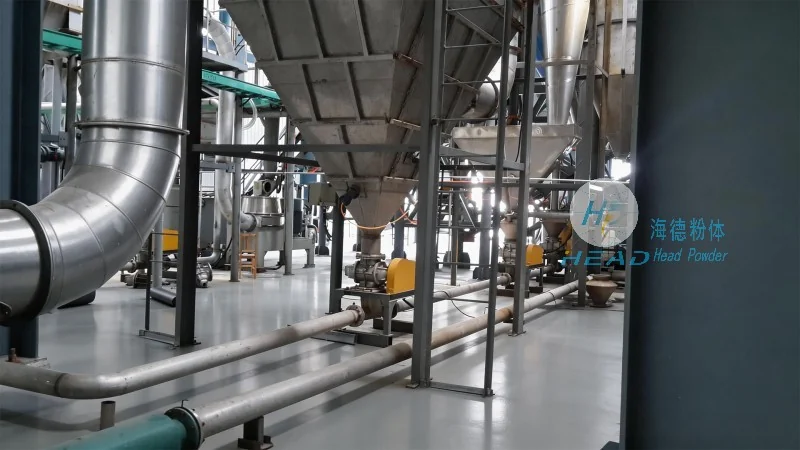
Positive Pressure Conveying: Working Mechanism and Advantages
Positive pressure conveying, or pressure conveying, works by forcing air or gas through the conveying line using a positive displacement blower or a rotary lobe blower. The material is drawn into the line by the pressure differential created by the moving air. This method is ideal for transporting materials over longer distances or from a lower elevation to a higher one. Positive pressure systems are more robust and can handle larger quantities of material compared to negative pressure systems. They are also better suited for applications where the material is prone to caking or where high pressure is required to overcome resistance in the pipeline.
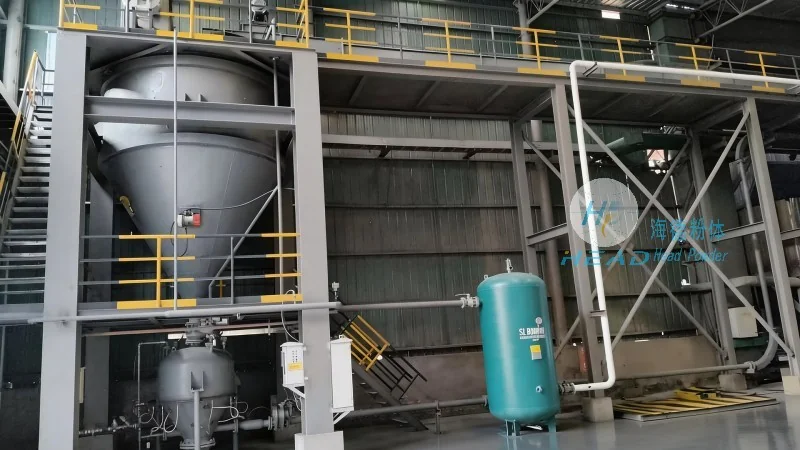
Comparative Analysis: Negative vs. Positive Pressure Conveying in Graphite Handling
When comparing negative and positive pressure conveying for graphite, several factors come into play. Negative pressure systems are generally more suitable for handling fine graphite powders that are prone to dust generation and require minimal pressure to avoid degradation. The lower operating pressure in negative pressure systems reduces the risk of particle attrition and ensures that the material's quality is maintained. On the other hand, positive pressure systems are more effective for transporting larger graphite particles or bulk materials over longer distances. They can handle higher flow rates and are less susceptible to blockages caused by material buildup in the pipeline.
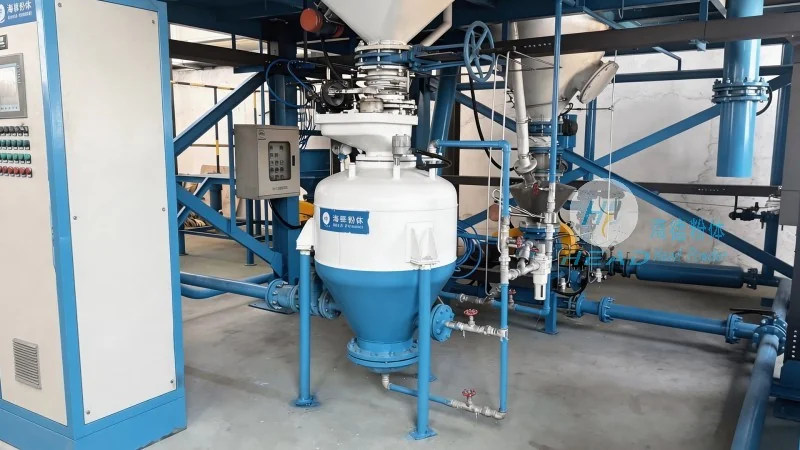
Practical Applications and Industry Considerations
The choice between negative and positive pressure conveying in graphite applications depends on specific operational needs. For instance, in battery manufacturing, where fine graphite powders are used as anode materials, negative pressure conveying is often preferred to prevent dust contamination and maintain particle integrity. In contrast, in refractory production, where larger graphite particles are used for furnace linings, positive pressure conveying may be more appropriate due to the need for higher pressure and larger flow rates. Environmental considerations also play a role, as negative pressure systems are generally more effective at capturing dust at the source, reducing emissions compared to positive pressure systems, which may require additional filtration at the discharge point.
Conclusion and Recommendations
In conclusion, both negative and positive pressure conveying systems offer unique advantages for graphite transport, and the optimal choice depends on the specific application, material characteristics, and operational constraints. Negative pressure conveying excels in handling fine, sensitive powders over shorter distances with lower energy consumption, while positive pressure conveying is better suited for bulk material transport over longer distances with higher flow rates. For companies like Shandong HeadPowder Engineering Co., Ltd., understanding these differences is crucial for designing efficient and cost-effective pneumatic conveying solutions tailored to the needs of the graphite industry. By carefully evaluating the pros and cons of each system, manufacturers can select the most suitable conveying method to ensure reliable material handling, minimize downtime, and enhance overall operational efficiency.




