For industrial applications involving the handling of rice husk, efficient and reliable material transport is crucial. The design of a negative pressure pneumatic conveying device specifically tailored for rice husk presents a solution that addresses the unique challenges associated with this biomass material. This article outlines the key components, operational principles, and practical considerations for such a system, highlighting its benefits in terms of performance, safety, and cost-effectiveness.
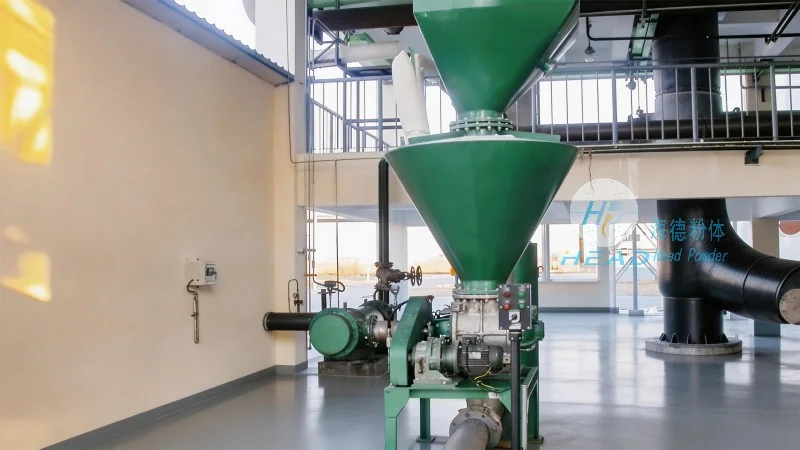
Key Components of the Negative Pressure Pneumatic Conveying System
The negative pressure pneumatic conveying device for rice husk typically consists of several critical components that work in tandem to ensure smooth material transport. The primary elements include a hopper for material storage, a rotary airlock valve to control the flow of rice husk into the system, a venturi or eductor to create the negative pressure environment, and a filter system to capture fine particles and prevent dust emissions. Additionally, the system may incorporate a dust collection unit and a discharge hopper to manage the final output of the conveyed material.
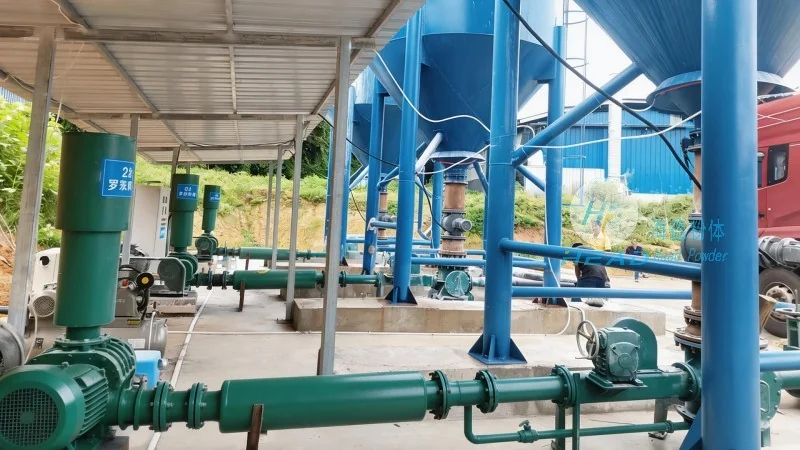
Operational Principles and How It Works
The negative pressure pneumatic conveying system operates by creating a vacuum within the conveying line. Air is drawn through the system, and rice husk particles are entrained by the airflow as it passes through the venturi or eductor. The vacuum pulls the material from the source hopper, through the rotary airlock, and into the conveying line. The filter system ensures that any fine dust or particles are captured, maintaining air quality and preventing contamination of the conveyed material. The discharge hopper then collects the rice husk at the destination point, completing the transport process.
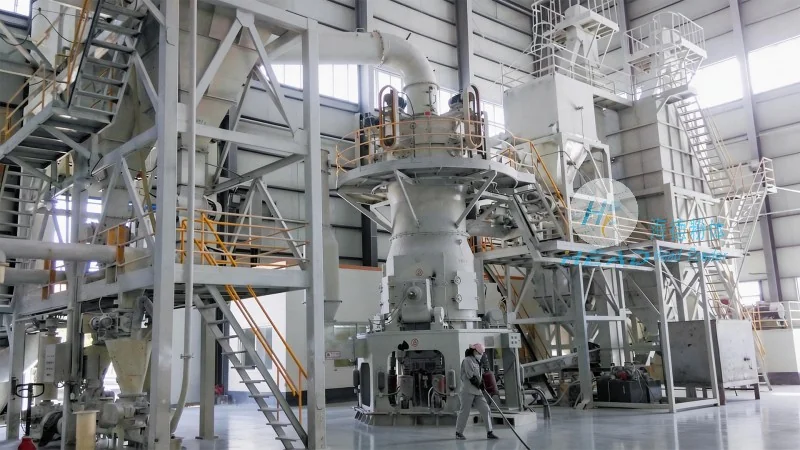
Advantages of Using a Negative Pressure System for Rice Husk
Compared to positive pressure systems, negative pressure pneumatic conveying offers several advantages when handling rice husk. These include reduced energy consumption, as the system relies on the vacuum to draw material rather than forcing it under pressure. This leads to lower operational costs and increased energy efficiency. Additionally, the negative pressure environment minimizes the risk of dust explosion, as the system operates under a lower pressure than the surrounding atmosphere. This enhances safety in industrial settings where rice husk may be stored or processed. The system also provides better control over material flow, allowing for precise dosing and reduced material loss.
Customization and Application Considerations
Shandong HeadPowder Engineering Co., Ltd., a leading manufacturer in the field, offers customized negative pressure pneumatic conveying solutions tailored to specific industrial needs. The company's expertise in engineering and material handling allows for the design of systems that can accommodate varying volumes of rice husk, different particle sizes, and specific operational requirements. When selecting a negative pressure conveying system for rice husk, factors such as the distance between the source and destination, the volume of material to be conveyed, and the required flow rate should be considered. The system's design can be optimized to ensure maximum efficiency and minimal downtime, making it suitable for continuous production processes.
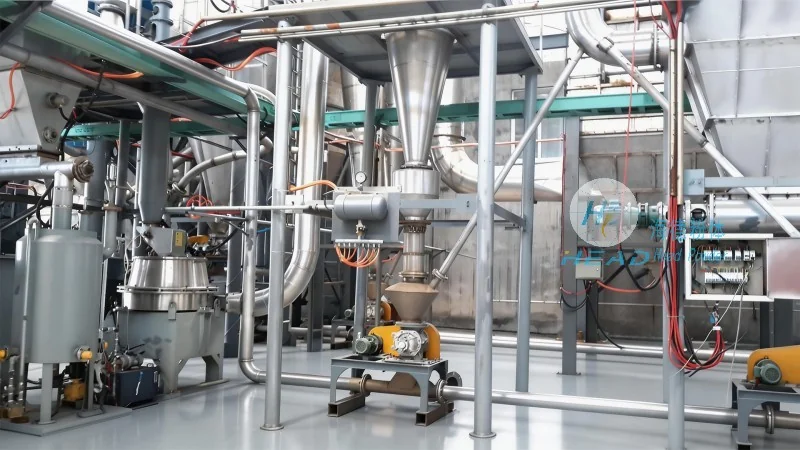
Conclusion and Company Overview
The negative pressure pneumatic conveying device for rice husk is an effective and efficient solution for handling this biomass material. By leveraging the principles of negative pressure, the system provides a safe, reliable, and cost-effective method for transporting rice husk from one location to another. Shandong HeadPowder Engineering Co., Ltd. specializes in the design and manufacturing of such systems, with a focus on meeting the unique demands of industrial applications. With their commitment to quality and innovation, the company provides tailored solutions that enhance productivity and safety in rice husk processing operations.




