When it comes to the efficient and reliable transportation of baking soda, two primary pneumatic conveying methods stand out: positive pressure conveying and negative pressure conveying. These systems are widely used in industrial settings to move bulk materials like baking soda from one location to another. Understanding the differences between these two approaches is crucial for selecting the most suitable solution for specific applications. This article provides a detailed comparison of positive pressure and negative pressure conveying systems, focusing on their mechanisms, advantages, and practical considerations.
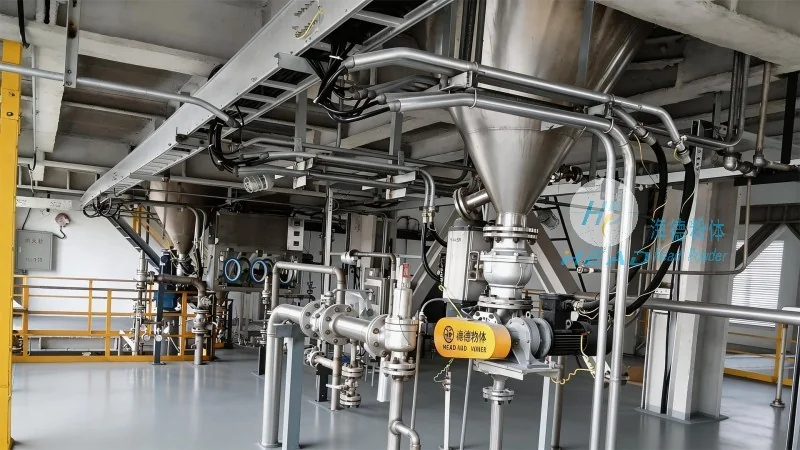
About HeadPowder Engineering Co., Ltd.
HeadPowder Engineering Co., Ltd. is a leading manufacturer and supplier of advanced pneumatic conveying solutions. With a strong presence in Shandong, China, the company specializes in designing and implementing systems tailored to the unique needs of various industries. HeadPowder's expertise lies in delivering high-performance conveying systems that ensure the safe and efficient transport of bulk materials, including baking soda. The company's commitment to quality and innovation has made it a trusted partner for businesses seeking reliable material handling solutions.
Positive Pressure Conveying: How It Works
Positive pressure conveying operates by using a positive pressure source, such as a blower or a positive displacement blower, to push air and material through the conveying line. In this system, the air pressure inside the pipeline is higher than the ambient air pressure. The material is typically fed into the conveying line using a hopper or a feeder, and the air flow carries the material along the pipeline to the destination. This method is particularly effective for conveying materials over long distances or through complex layouts. Positive pressure conveying is known for its high conveying capacity and ability to handle abrasive or corrosive materials. The system can also be designed to operate at high pressures, which enhances its efficiency in moving materials through challenging environments.
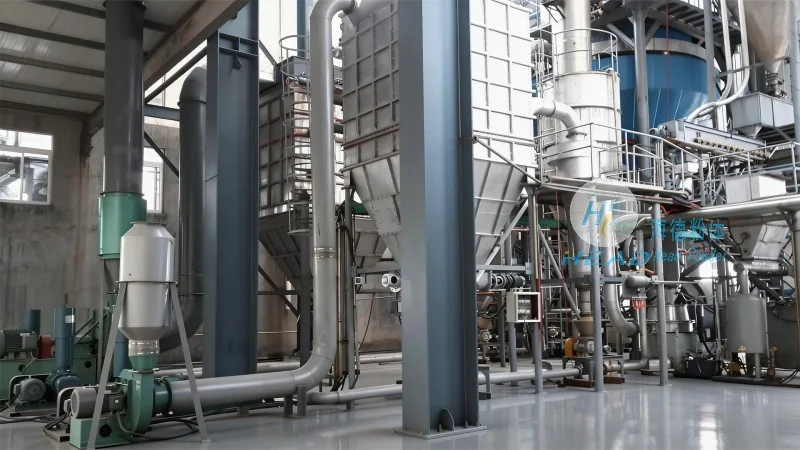
Negative Pressure Conveying: The Alternative Approach
Negative pressure conveying, also known as suction conveying, works by creating a negative pressure (vacuum) in the conveying line. The vacuum pulls air and material from the source into the pipeline and transports it to the destination. This method is often used for short to medium distance conveying and for materials that are sensitive to pressure or temperature changes. Negative pressure conveying is generally more suitable for lighter materials or those that are prone to dust generation. The system is designed to minimize the risk of material spillage and to maintain a clean environment. However, it may have lower conveying capacity compared to positive pressure systems and may require more maintenance due to the vacuum components.
Comparing Positive and Negative Pressure Conveying for Baking Soda
When comparing positive and negative pressure conveying for baking soda, several factors come into play. The choice between the two systems depends on the specific requirements of the application, including the distance to be covered, the material characteristics, and the operational environment. Positive pressure conveying is generally preferred for longer distances and for materials that are abrasive or have high bulk density. It offers higher conveying rates and is more suitable for industrial settings where large volumes of baking soda need to be transported. On the other hand, negative pressure conveying is ideal for shorter distances and for materials that are light or dusty. It provides a cleaner and more controlled environment, which is beneficial for applications where contamination needs to be minimized.
Key Considerations for Choosing the Right Conveying System
Choosing the appropriate pneumatic conveying system for baking soda involves evaluating several key factors. The first consideration is the distance between the source and the destination. For long distances, positive pressure conveying is often the better choice due to its higher efficiency and capacity. For short distances, negative pressure conveying may be sufficient and more cost-effective. The second factor is the material properties of baking soda. Baking soda is a relatively light and non-abrasive material, but it can still generate dust during handling. Negative pressure systems are better at controlling dust and maintaining a clean environment. However, if the application involves high volumes or long distances, positive pressure systems may be more suitable despite the potential for higher energy consumption. The third factor is the operational environment. Positive pressure systems are more suitable for harsh environments where there is a risk of dust explosions or where the material may be contaminated. Negative pressure systems are better for cleanroom or controlled environments where dust control is critical.
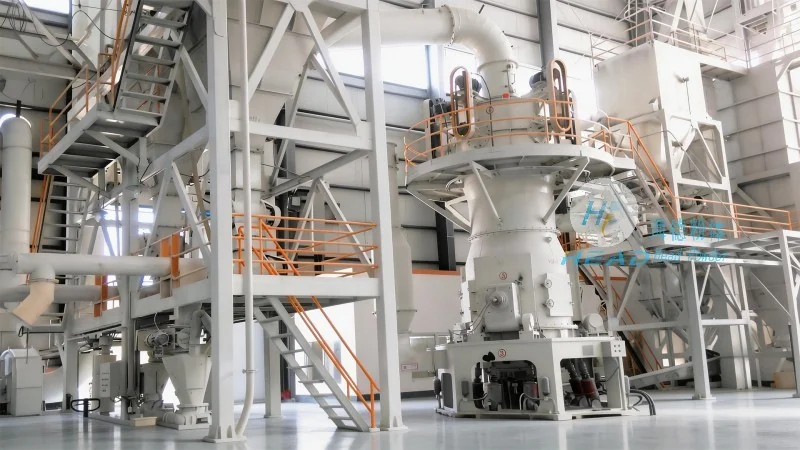
HeadPowder's Expertise in Pneumatic Conveying Solutions
HeadPowder Engineering Co., Ltd. offers comprehensive solutions for both positive and negative pressure conveying systems. The company's team of engineers and technicians has extensive experience in designing and implementing custom conveying systems that meet the specific needs of clients. HeadPowder provides a range of services, including system design, installation, and maintenance. The company uses high-quality components and materials to ensure the durability and reliability of its conveying systems. HeadPowder's commitment to customer satisfaction is reflected in its ability to deliver systems that meet or exceed industry standards. Whether a client needs a positive pressure system for long-distance conveying or a negative pressure system for short-distance and dust control, HeadPowder has the expertise and resources to provide the right solution.
Conclusion
In conclusion, both positive pressure and negative pressure conveying systems are effective for transporting baking soda, but the choice between them depends on the specific requirements of the application. Positive pressure conveying is ideal for long distances and high volumes, while negative pressure conveying is better for short distances and dust control. HeadPowder Engineering Co., Ltd. is a trusted provider of advanced pneumatic conveying solutions, offering customized systems that meet the unique needs of various industries. By understanding the differences between these two systems and considering the specific requirements of the application, businesses can select the most suitable conveying system for their needs and ensure efficient and reliable transport of baking soda.




