When it comes to the transportation of calcium oxide dry powder, the choice between negative pressure and positive pressure conveying systems is a critical decision that impacts operational efficiency, safety, and cost-effectiveness. As a leading provider in the field, Shandong HeadPowder Engineering Co., Ltd. specializes in delivering tailored solutions for various industrial applications. This article provides a detailed comparison of the advantages and disadvantages of negative pressure and positive pressure conveying methods, helping you make an informed choice for your calcium oxide handling needs.
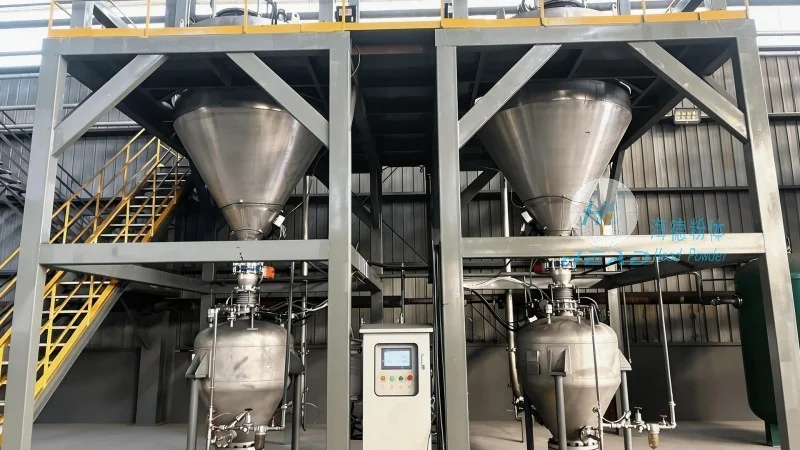
Introduction to Calcium Oxide Dry Powder Conveying
Calcium oxide, commonly known as quicklime, is a widely used chemical in industries such as construction, steel production, and chemical manufacturing. Its dry powder form requires efficient and reliable conveying systems to ensure smooth material flow from storage to processing units. Conveying systems for calcium oxide must address challenges like dust generation, material reactivity, and the need for precise control over material movement. Two primary methods dominate the industry: negative pressure (suction) conveying and positive pressure (blowing) conveying. Each method has its own set of characteristics, benefits, and drawbacks that influence the overall performance of the system.
Company Profile: Shandong HeadPowder Engineering Co., Ltd.
Shandong HeadPowder Engineering Co., Ltd., commonly referred to as HeadPowder, is a reputable company based in Shandong, China. With a strong focus on engineering excellence and customer satisfaction, HeadPowder provides comprehensive solutions for dry powder handling, including conveying systems for calcium oxide and other industrial powders. The company's expertise lies in designing and manufacturing systems that meet the specific requirements of various industrial applications, ensuring optimal performance and durability.
Negative Pressure Conveying: Advantages and Disadvantages
Negative pressure conveying, also known as suction conveying, operates by creating a vacuum in the system to draw the dry powder material from the source to the destination. This method is particularly effective for applications where the material is to be collected from a large area or multiple points. One of the key advantages of negative pressure conveying is its ability to handle fine powders without causing excessive dust dispersion. The suction action helps in maintaining a controlled environment, reducing the risk of dust contamination and improving safety in the workplace. Additionally, negative pressure systems are generally more energy-efficient compared to positive pressure systems, as they rely on the natural movement of air rather than powerful blowers.
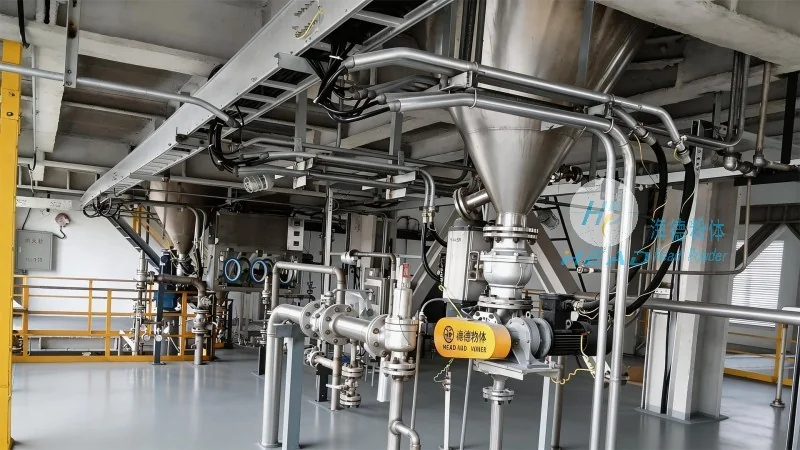
However, negative pressure conveying also has several limitations. The primary drawback is the risk of backflow or material leakage, especially when dealing with abrasive or reactive powders like calcium oxide. The system's performance can be affected by changes in ambient air conditions, such as temperature and humidity, which may impact the vacuum level. Furthermore, the length and complexity of the conveying line can limit the distance over which the material can be transported, making it less suitable for long-distance applications. Maintenance requirements are also higher, as the vacuum components are more susceptible to wear and tear.
Positive Pressure Conveying: Advantages and Disadvantages
Positive pressure conveying, or blowing conveying, uses a blower or fan to force air and the dry powder material through the system. This method is ideal for applications requiring high material flow rates and long-distance transportation. One of the main advantages of positive pressure systems is their ability to handle a wide range of particle sizes and densities, including coarse or heavy powders. The forced air ensures consistent material flow, reducing the risk of blockages and ensuring reliable operation. Positive pressure conveying also offers better control over the material's velocity and direction, which is crucial for precise delivery to processing units.
Despite these benefits, positive pressure conveying has its own set of disadvantages. The most significant drawback is the higher energy consumption compared to negative pressure systems, as powerful blowers are required to maintain the necessary pressure. This can lead to increased operational costs, especially for large-scale applications. Additionally, positive pressure systems generate more dust and noise, which may require additional environmental controls and noise reduction measures. The risk of material spillage or over-pressurization is also higher, necessitating robust safety features and regular maintenance checks.
Key Considerations for Choosing Between Conveying Methods
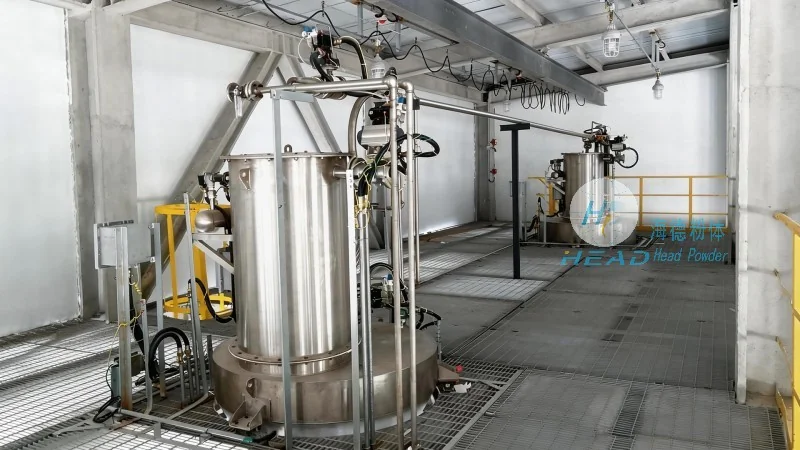
When selecting between negative pressure and positive pressure conveying for calcium oxide dry powder, several factors must be considered. The first is the distance and layout of the conveying system. For short distances and localized material collection, negative pressure may be more suitable. For long-distance transportation or when the material needs to be delivered to multiple points, positive pressure is often preferred. The nature of the calcium oxide powder, including its particle size, moisture content, and reactivity, also plays a critical role. Fine powders with high dust potential may benefit from negative pressure's controlled environment, while coarser or heavier powders may perform better with positive pressure's consistent flow.
Another important consideration is the operational environment and safety requirements. Negative pressure systems are generally safer in terms of dust exposure, as they draw material into the system rather than expelling it. However, positive pressure systems may be more suitable in environments where the material is less reactive and where noise and dust control are less critical. The cost of installation and maintenance is also a key factor. Negative pressure systems may have lower initial costs but higher maintenance expenses due to the vacuum components. Positive pressure systems, while more expensive upfront, may have lower maintenance costs as they use more robust components.
Conclusion
In conclusion, both negative pressure and positive pressure conveying methods have their place in the handling of calcium oxide dry powder. The choice between the two depends on a variety of factors, including the specific application requirements, material characteristics, and operational constraints. Shandong HeadPowder Engineering Co., Ltd. offers expert guidance and customized solutions to help clients select the most appropriate conveying system for their needs. By understanding the advantages and disadvantages of each method, industrial operators can optimize their calcium oxide handling processes, improve efficiency, and ensure compliance with safety and environmental standards.




