Asbestos powder material handling conveyors are specialized systems engineered to safely and efficiently transport asbestos-containing powders in industrial settings. These conveyors are critical for maintaining safety standards while ensuring the smooth operation of processes that involve handling hazardous materials like asbestos. Understanding the design principles behind such conveyors is essential for industries that must comply with stringent regulations regarding the handling of asbestos.
Introduction to Asbestos Powder Material Handling Conveyors
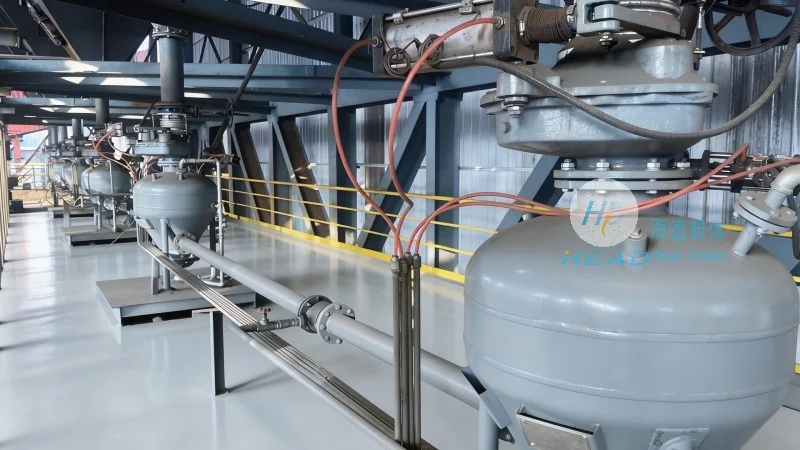
Asbestos powder material handling conveyors are industrial equipment designed to transport asbestos powders from one location to another within a facility. These systems are typically used in applications where asbestos is processed, stored, or prepared for further use. The primary goal of these conveyors is to minimize the risk of dust exposure and ensure that the material is moved in a controlled manner, adhering to safety protocols and environmental regulations.
Key Components of Asbestos Powder Conveyors
The design of an asbestos powder conveyor involves several key components that work together to ensure safe and efficient operation. These components include the hopper or feed mechanism, which holds the asbestos powder and feeds it into the conveyor system. The conveyor itself, often a pneumatic or mechanical type, transports the powder through the system. Additionally, there are dust collection systems integrated into the design to capture any airborne particles and prevent contamination. The system may also include control panels for monitoring and adjusting the flow of material, as well as safety interlocks to prevent accidental exposure.
Design Principles for Asbestos Powder Conveyors
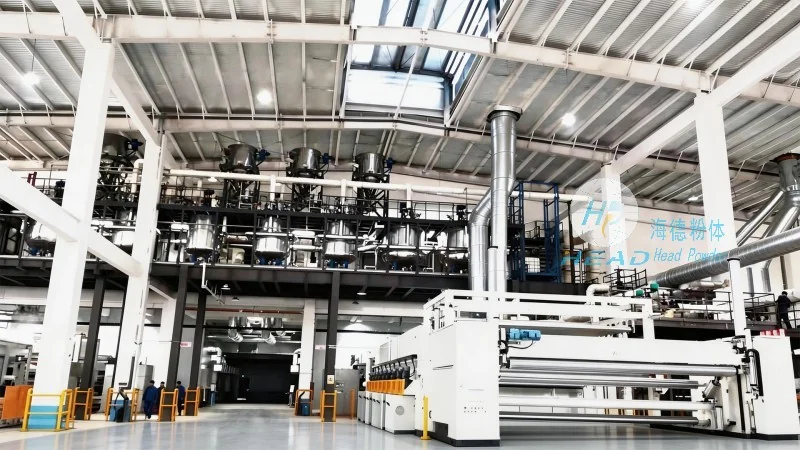
The design principles for asbestos powder conveyors are centered around safety, efficiency, and compliance with regulations. One of the most critical principles is the use of sealed and enclosed systems to prevent dust from escaping into the environment. This is achieved through the use of airtight hoppers and conveyor sections that are connected to a dust collection system. Another key principle is the selection of materials that are resistant to corrosion and abrasion, as asbestos powders can be abrasive and may contain chemicals that could degrade certain materials over time. The design also considers the need for easy maintenance and cleaning, as asbestos is a hazardous material that requires strict protocols for handling and disposal.
How Asbestos Powder Conveyors Work
Asbestos powder conveyors operate by using a combination of mechanical and pneumatic forces to move the material. In a typical pneumatic conveyor system, the asbestos powder is fed into a hopper and then drawn into a pipeline by a vacuum or pressure system. The material is then transported through the pipeline to the discharge point. Mechanical conveyors, such as screw or belt conveyors, use rotating components to move the powder along a path. Both types of systems are designed to minimize the risk of dust generation and ensure that the material is moved in a controlled manner.
Importance of Compliance and Safety in Asbestos Handling
Handling asbestos powders requires strict adherence to safety and regulatory standards. Asbestos is a known carcinogen, and exposure can lead to serious health issues. Therefore, the design and operation of asbestos powder conveyors must prioritize safety. This includes the use of sealed systems to prevent dust from escaping, regular maintenance to ensure the system is functioning properly, and proper training for personnel operating the equipment. Compliance with local and national regulations is also essential, as different regions have specific requirements for handling hazardous materials like asbestos.
Applications of Asbestos Powder Conveyors
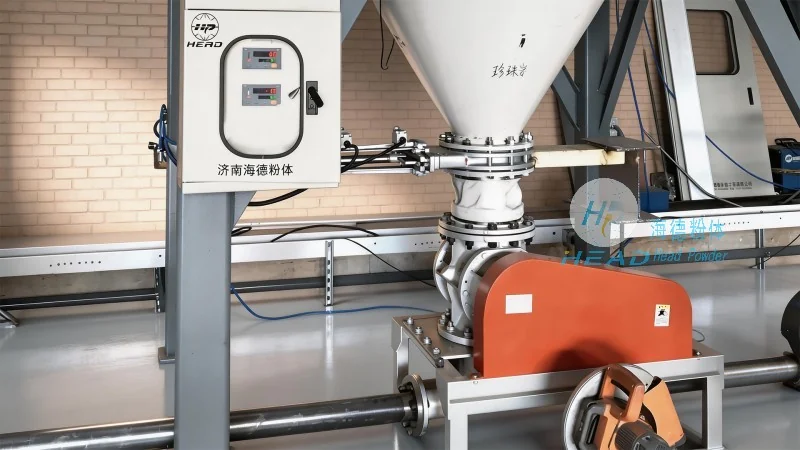
Asbestos powder conveyors are used in various industrial applications where asbestos is processed or handled. These include manufacturing facilities that produce asbestos-containing products, such as insulation or roofing materials. They are also used in facilities that process asbestos for recycling or disposal. The conveyors are designed to handle different types of asbestos powders, including chrysotile and amosite, and can be customized to meet the specific needs of each application.
Maintenance and Safety Protocols for Asbestos Powder Conveyors
Maintaining an asbestos powder conveyor is crucial for ensuring its longevity and continued safe operation. Regular maintenance includes checking the integrity of the seals and ductwork to prevent dust leakage, inspecting the conveyor components for wear and tear, and cleaning the system to remove any accumulated dust. Safety protocols are equally important, as asbestos is a hazardous material. Personnel operating the conveyor must wear appropriate personal protective equipment (PPE), such as respirators and gloves, and follow strict procedures for handling and disposing of asbestos waste. The system should also be equipped with emergency shut-off mechanisms to stop the conveyor in case of an incident.
Conclusion
Asbestos powder material handling conveyors are essential equipment for industries that must handle asbestos powders safely and efficiently. The design principles behind these systems prioritize safety, compliance, and efficiency, ensuring that the material is transported in a controlled manner while minimizing the risk of exposure. By understanding the components and principles of these conveyors, industries can ensure that they are operating in accordance with regulations and protecting their workers and the environment.




