For industries specializing in ceramic production, understanding the ceramic material conveying line and its design principles is essential for optimizing material handling processes. This article explores the key aspects of such systems, focusing on their components, design considerations, and the importance of efficient operation. The information is presented by Shandong HeadPowder Engineering Co., Ltd., a leading provider of material handling solutions in China, with operations based in Shandong Province.
Introduction to Ceramic Material Conveying Lines
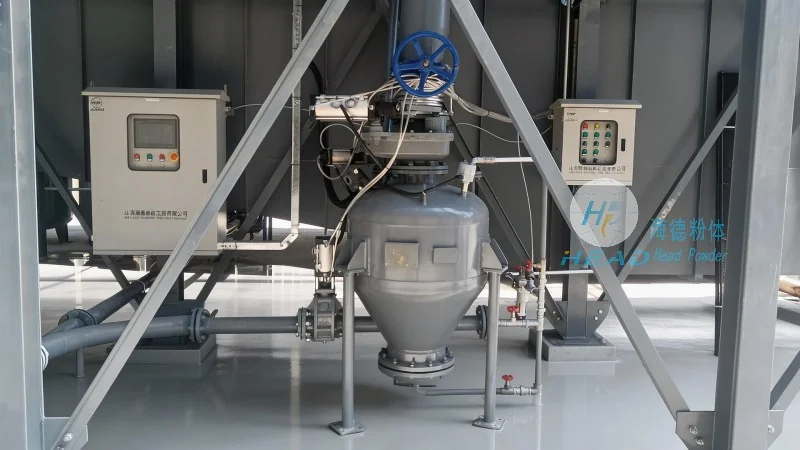
A ceramic material conveying line is a specialized system designed to transport ceramic raw materials, intermediate products, or finished goods through various stages of manufacturing. These systems are vital in industries like ceramics, glass, and related sectors, where the handling of delicate and often abrasive materials requires precision and reliability. The system typically integrates multiple components to ensure smooth and controlled movement of materials from one processing unit to another.
Key Components and Their Functions
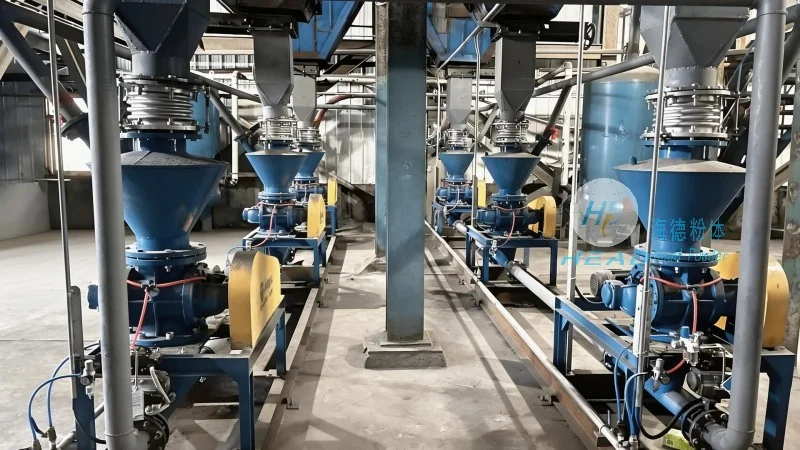
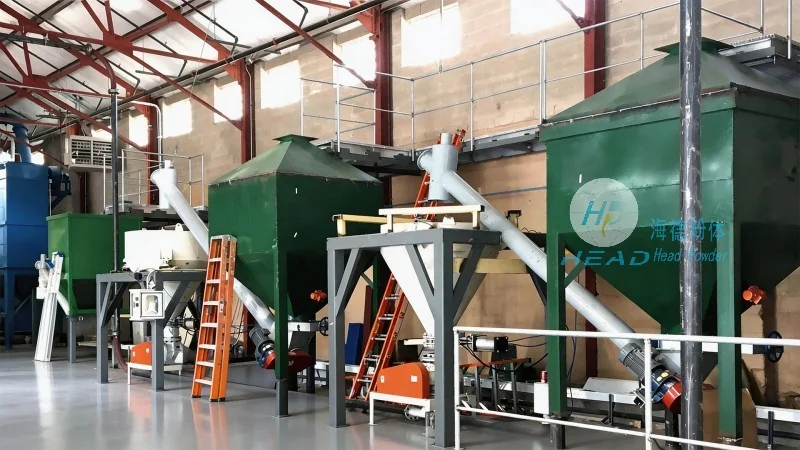
The design of a ceramic material conveying line involves several critical components, each serving a specific function in the material handling process. Feeders are used to regulate the flow of ceramic materials into the conveyor system, ensuring consistent and controlled feeding. Conveyors, such as belt conveyors, screw conveyors, or chain conveyors, are the primary means of transporting materials. Transfer mechanisms, including elevators, inclines, and diverters, facilitate the movement of materials between different levels or directions. Control systems, including sensors and automation devices, monitor and adjust the operation of the conveying line to maintain optimal performance.
Design Principles for Optimal Performance
The design principles for a ceramic material conveying line prioritize several key factors to ensure efficiency, durability, and safety. First, material compatibility is a critical consideration. The components of the conveying line, such as conveyor belts and rollers, must be resistant to the abrasive and chemical properties of ceramic materials. For example, stainless steel or specialized alloys are often used for conveyor parts to withstand the wear and tear caused by ceramic powders and particles. This ensures the longevity of the equipment and reduces maintenance costs.
Second, energy efficiency is a major design focus. The system is designed to minimize energy consumption while maintaining the required material throughput. This is achieved through the selection of appropriate conveyor types and speeds that match the production requirements without excessive power usage. Variable speed drives and energy-saving mechanisms are commonly incorporated to optimize power usage and reduce operational costs.
Ensuring Safety and Compliance
Another essential design principle is the incorporation of safety features to protect both the equipment and personnel. Safety guards are installed around moving parts to prevent accidental contact, and emergency stop buttons are readily accessible. Proper ventilation systems are also included to manage dust and particulate matter, ensuring a safe working environment. Compliance with industry safety standards and regulations is a key aspect, ensuring that the system meets all relevant requirements for safety and environmental protection.
Customization and Adaptability
Given the diverse nature of ceramic materials and manufacturing processes, a ceramic material conveying line is often designed with a high degree of customization and adaptability. The system can be configured to handle different material types, sizes, and production volumes, allowing for flexibility in production planning. Modular design approaches enable components to be added or modified as needed, accommodating changes in production requirements without major system overhauls.
Conclusion: The Role of Well-Designed Conveying Lines
In summary, a ceramic material conveying line is a vital component of ceramic manufacturing facilities, designed to ensure efficient, safe, and reliable material handling. The design principles that guide these systems—such as material compatibility, energy efficiency, safety, and adaptability—contribute significantly to the overall productivity and quality of the manufacturing process. By implementing well-designed conveying lines, manufacturers can enhance their operational efficiency, reduce costs, and maintain high standards of safety and product quality. Shandong HeadPowder Engineering Co., Ltd. specializes in providing tailored material handling solutions that meet the specific needs of ceramic industry clients, helping them achieve optimal performance in their production processes.




