HeadPowder, a leading engineering firm based in Shandong, China, specializes in the design and implementation of advanced pneumatic conveying systems tailored for maltose and other bulk materials. This article provides a comprehensive exploration of the two primary pneumatic conveying methods—vacuum and positive pressure systems—highlighting their technical nuances, operational advantages, and practical applications in the maltose industry.
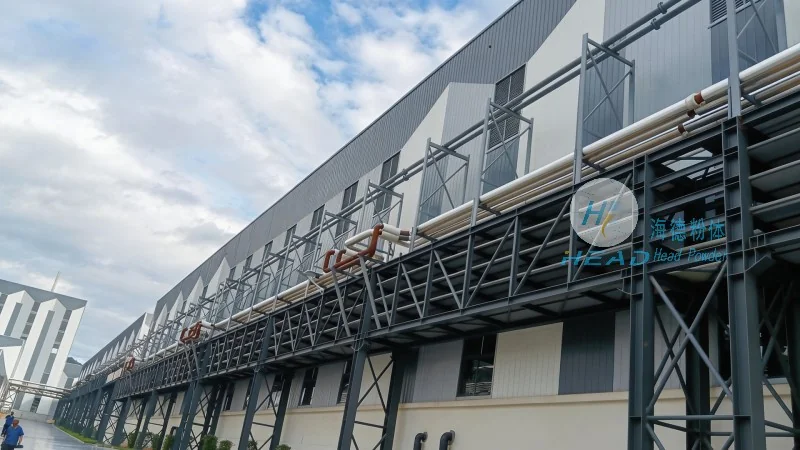
Understanding Pneumatic Conveying Fundamentals for Maltose Handling
Pneumatic conveying is a critical process in the handling of maltose, a key ingredient in the food and beverage industry. Unlike traditional mechanical conveying methods, which may introduce contamination or damage to the product, pneumatic systems use air to transport dry bulk materials like maltose through pipelines. The choice between vacuum and positive pressure systems depends on factors such as material characteristics, distance, and system layout. Both methods offer unique benefits and are selected based on specific operational requirements.
Company Overview: HeadPowder Engineering
HeadPowder Engineering Co., Ltd., headquartered in Shandong, China, is a reputable provider of customized engineering solutions for material handling. With years of experience in the industry, the company focuses on delivering efficient, reliable, and cost-effective pneumatic conveying systems. Their expertise lies in understanding the unique properties of maltose and other bulk materials, ensuring optimal system performance and minimal product degradation.
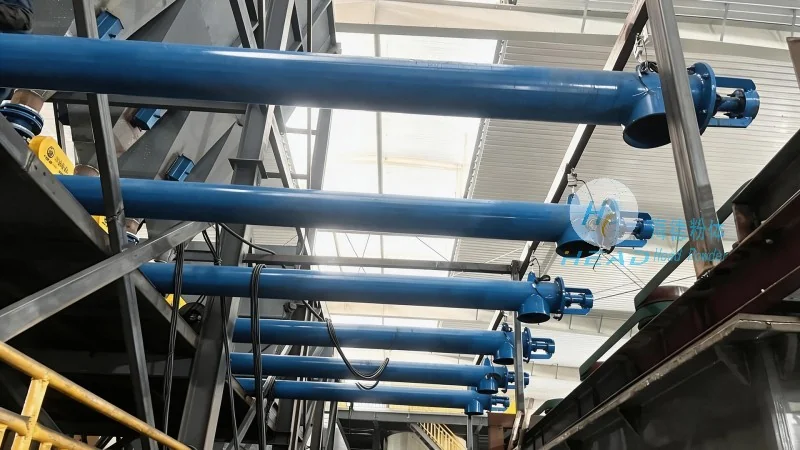
Vacuum Pneumatic Conveying Systems: Principles and Applications
Vacuum pneumatic conveying systems operate by creating a negative pressure environment at the receiving end, drawing material from the source into the pipeline. This method is particularly suitable for applications where the material needs to be transported over moderate distances or when the source is elevated. The system typically includes a vacuum pump, a hopper, and a filter to collect fine particles. For maltose, vacuum systems are ideal for handling fine powders, as they minimize product loss and maintain product integrity. The negative pressure also helps in controlling dust emissions, making it a preferred choice in environments where air quality is a concern.
Positive Pressure Pneumatic Conveying Systems: Technical Advantages
Positive pressure systems, on the other hand, generate a positive pressure at the discharge end, pushing material through the pipeline. This method is often used for longer distances or when the material source is at a lower elevation. The system utilizes a blower or compressor to supply air, ensuring consistent material flow. For maltose, positive pressure systems are advantageous in scenarios where the material is prone to caking or where high flow rates are required. The positive pressure helps in maintaining a uniform flow rate, reducing the risk of blockages and ensuring efficient transport. Additionally, positive pressure systems are easier to clean and maintain, as the entire pipeline is under pressure, preventing material buildup.
Comparative Analysis: Vacuum vs. Positive Pressure Conveying for Maltose
When selecting between vacuum and positive pressure pneumatic conveying systems for maltose, several factors must be considered. Vacuum systems are generally more suitable for short to medium distances and for handling fine, non-abrasive powders. They are cost-effective for smaller-scale operations and offer better control over dust and product loss. Positive pressure systems, however, excel in longer-distance transport and for materials that require higher flow rates or are prone to caking. They are more suitable for large-scale industrial applications where efficiency and reliability are paramount.
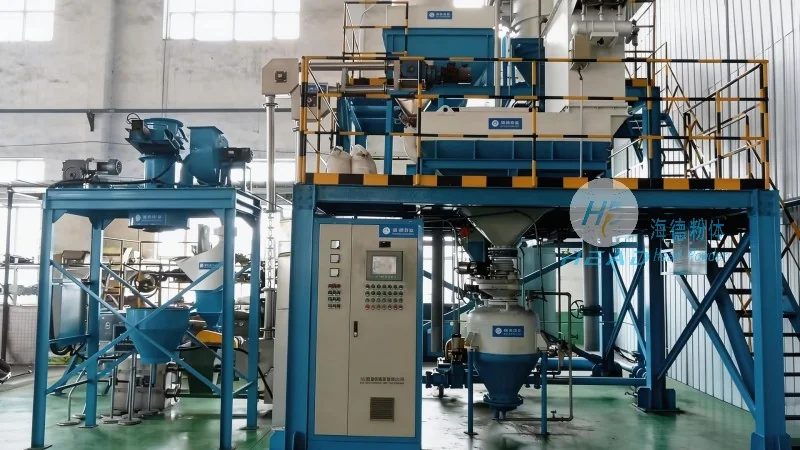
Key Considerations for Implementing Maltose Pneumatic Conveying Systems
Implementing an effective pneumatic conveying system for maltose involves careful consideration of several technical and operational factors. First, the material's properties, such as particle size, moisture content, and flowability, must be thoroughly analyzed. This information helps in determining the appropriate system type and components. Second, the system layout, including pipeline length, elevation changes, and number of bends, impacts the choice of conveying method. For instance, vacuum systems may require additional equipment to handle elevation changes, while positive pressure systems can accommodate steeper inclines. Third, the system's capacity and flow rate must match the production requirements to ensure smooth operation and prevent bottlenecks. HeadPowder Engineering provides comprehensive consultation services to help clients evaluate these factors and design a system that meets their specific needs.
Conclusion: Optimizing Maltose Handling with Advanced Pneumatic Technology
Both vacuum and positive pressure pneumatic conveying systems offer effective solutions for transporting maltose, with each method suited to different operational scenarios. By understanding the technical principles and practical applications of these systems, industries can enhance their material handling efficiency, reduce costs, and maintain product quality. HeadPowder Engineering, with its expertise and commitment to innovation, continues to provide tailored solutions that address the unique challenges of maltose handling, ensuring optimal performance and reliability in industrial applications.




