For foundries and casting manufacturers, efficient material handling is crucial for maintaining production efficiency and ensuring consistent quality. A foundry sand material conveying line is a specialized system designed to transport sand, additives, and other raw materials used in the casting process. Shandong HeadPowder Engineering Co., Ltd., a leading provider of industrial material handling solutions, specializes in designing and manufacturing such systems to meet the demanding requirements of modern foundry operations. This article explores the purpose of these systems and delves into the core design principles that make them effective in industrial settings.
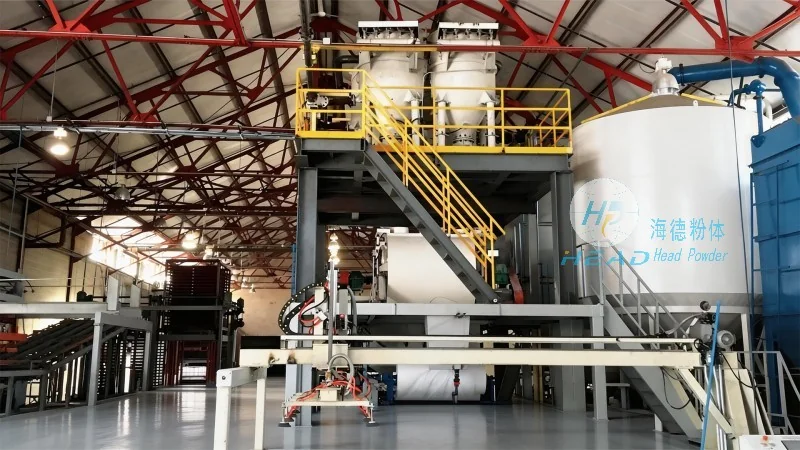
Understanding the Role of a Foundry Sand Conveying Line
In the foundry industry, the handling of sand is a critical step in the production of castings. Traditional methods often involve manual or semi-automated processes that can lead to inefficiencies, material loss, and inconsistent material properties. A dedicated conveying line addresses these challenges by providing a continuous, controlled flow of sand and related materials. The system typically includes components such as hoppers, feeders, conveyors (like belt or screw conveyors), and storage bins, all integrated to streamline the material flow from storage to the casting machine.
Key Design Principles for Foundry Sand Conveying Systems
The design of a foundry sand material conveying line is guided by several key principles to ensure optimal performance. First, the system must be capable of handling abrasive materials like foundry sand without causing excessive wear or damage to components. This often involves the use of high-quality, wear-resistant materials for conveyor components, such as hardened steel or special alloys. Second, the conveying system needs to maintain consistent material flow rates to prevent overloading or underloading of downstream equipment. Variable speed drives and adjustable feeders are commonly used to achieve this balance.
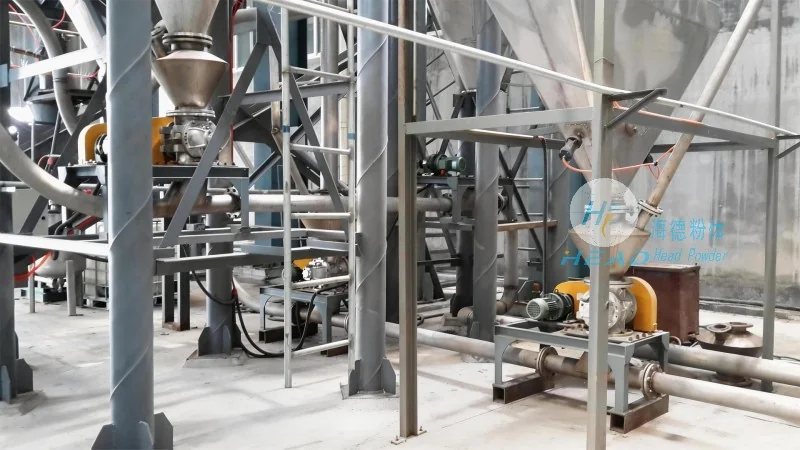
Third, the design must prioritize dust control and environmental compliance. Foundry sand operations can generate significant dust, which poses health and safety risks as well as regulatory issues. Conveying systems typically incorporate dust collection systems, sealed hoppers, and enclosed conveyor sections to minimize dust emissions. Additionally, the system should be designed for easy maintenance and cleaning to prevent material buildup and ensure long-term reliability.
Components of a Typical Foundry Sand Conveying Line
A standard foundry sand material conveying line consists of several interconnected components, each serving a specific function. The primary components include:
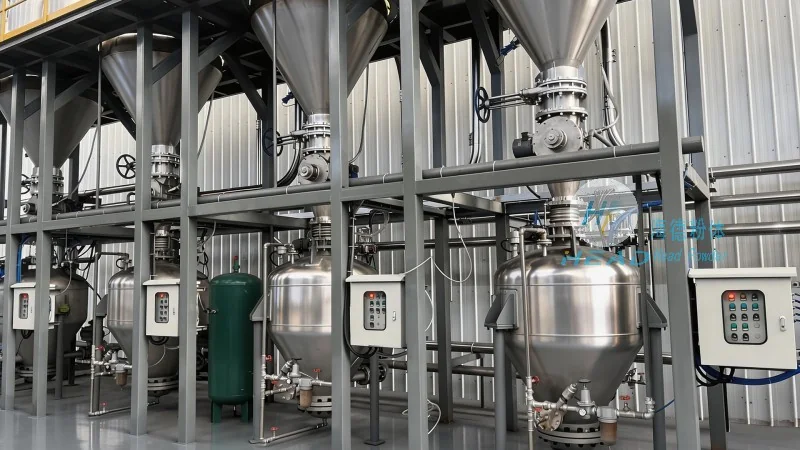
- Storage Hopper: A large container used to store bulk foundry sand. It is usually equipped with a lid to prevent contamination and dust exposure.
- Feeder: A device that regulates the flow of sand from the hopper to the conveyor. Common types include vibratory feeders or screw feeders, which can adjust the discharge rate based on production needs.
- Conveyor: The main transport mechanism, often a belt conveyor or a screw conveyor. Belt conveyors are ideal for horizontal or slight incline transport, while screw conveyors are better suited for vertical or steep incline applications.
- Transfer Chute: A component used to direct the material from one conveyor to another or to a processing unit. It is designed to minimize material spillage and maintain a smooth flow.
- Control System: An integrated control panel that monitors and controls the operation of the entire system. This includes sensors for level detection, speed control, and alarm systems for abnormal conditions.
Benefits of Implementing a Foundry Sand Conveying Line
Adopting a dedicated foundry sand material conveying line offers numerous benefits for foundry operations. First, it improves production efficiency by eliminating manual handling and reducing downtime caused by material shortages or blockages. The automated system ensures a consistent supply of sand to the casting machines, leading to higher throughput and reduced labor costs.
Second, the system enhances material quality control. By controlling the flow and mixing of additives, the conveying line helps maintain consistent sand properties, which is critical for producing high-quality castings. This reduces defects and rework, ultimately improving product reliability.
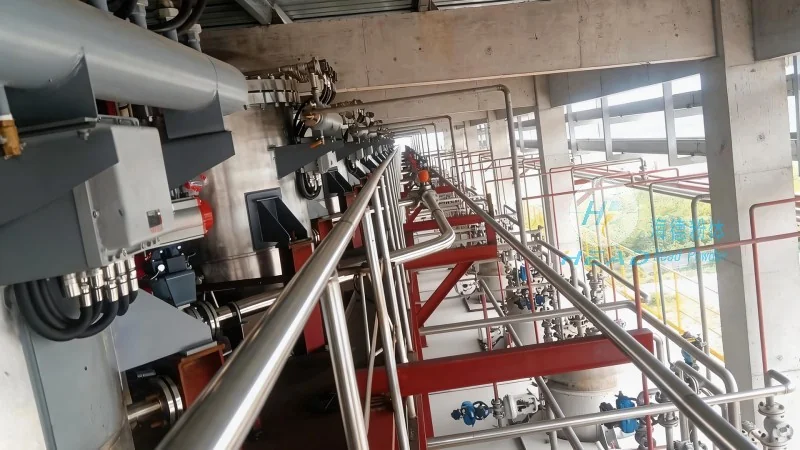
Third, the design of the system focuses on safety and environmental compliance. The enclosed and dust-controlled design minimizes the risk of dust exposure to workers and reduces the environmental impact of the foundry operation. Additionally, the use of wear-resistant components extends the lifespan of the equipment, reducing maintenance costs over time.
Conclusion
A foundry sand material conveying line is a vital component of modern foundry operations, designed to enhance efficiency, ensure quality, and maintain safety. By adhering to key design principles such as material handling capability, flow control, and dust management, these systems provide reliable and consistent performance. For foundries looking to optimize their production processes, investing in a well-designed conveying line is a strategic step toward improved productivity and profitability.




