Grass powder pneumatic conveying systems are critical for efficient material handling in agricultural and industrial sectors. This technical analysis compares positive and negative pressure conveying modes, offering insights into their operational principles, advantages, and practical applications. The comparison is grounded in the expertise of Shandong HeadPowder Engineering Co., Ltd., a leading provider in the field.
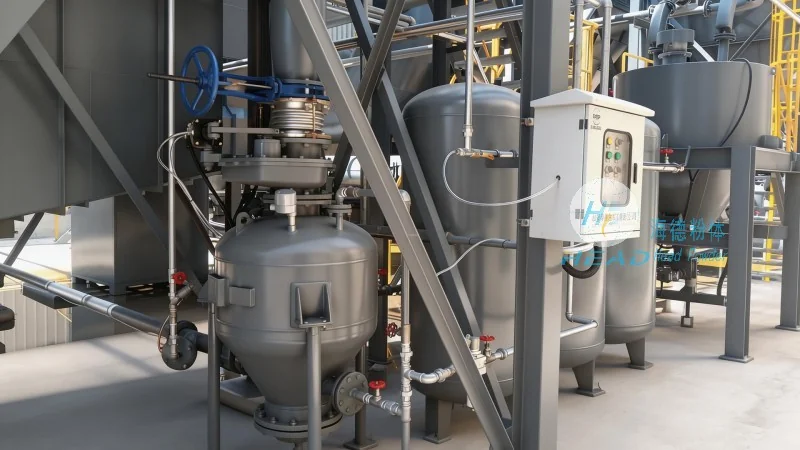
Introduction to Pneumatic Conveying Systems for Grass Powder
Pneumatic conveying systems utilize air or gas to transport bulk materials like grass powder through a pipeline network. These systems are widely used in feed production, biomass processing, and agricultural product handling due to their ability to move materials without mechanical contact, reducing wear and contamination risks. The choice between positive and negative pressure systems depends on factors such as material characteristics, system layout, and operational requirements.
Positive Pressure Conveying Mode
Positive pressure conveying systems operate by blowing air or gas into the pipeline, creating a pressure higher than ambient air pressure. This method is particularly effective for transporting dry, free-flowing materials like grass powder over short to medium distances. The system typically includes a blower, a hopper for material storage, and a discharge point where the material is released. Key advantages of positive pressure systems include high conveying capacity, minimal material degradation, and the ability to handle abrasive or dusty materials without significant wear on components. However, they may require more robust equipment to withstand higher pressures and can be less energy-efficient for long-distance transport.
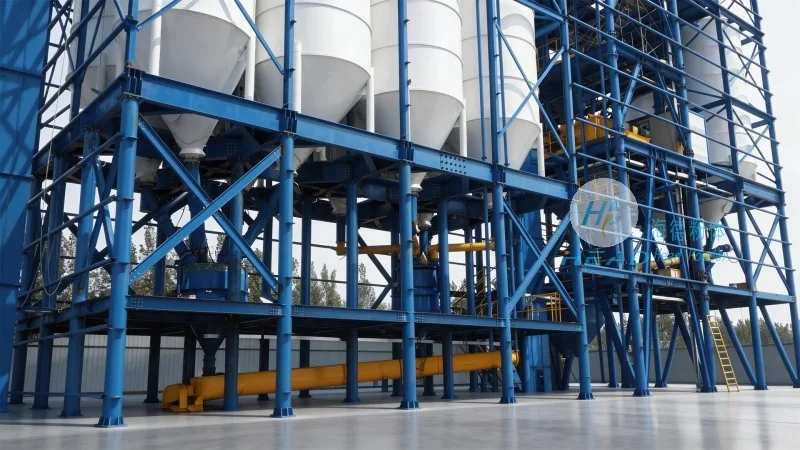
Negative Pressure Conveying Mode
Negative pressure conveying systems, also known as vacuum systems, work by creating a vacuum in the pipeline, drawing material from the source and pulling it through the system. This mode is suitable for transporting materials over longer distances or in applications where dust control is critical. The system comprises a vacuum pump, a collection hopper, and a discharge point. Negative pressure systems excel in handling fine powders and can be more energy-efficient for long-distance transport compared to positive pressure systems. However, they are more susceptible to blockages and require careful maintenance to prevent dust leakage and system inefficiencies.
Comparison of Positive and Negative Pressure Modes
When selecting a pneumatic conveying system for grass powder, it is crucial to evaluate the specific requirements of the application. Positive pressure systems are generally preferred for short to medium-distance transport of dry, free-flowing materials, offering high capacity and durability. Negative pressure systems are better suited for longer distances or applications requiring strict dust containment, as they can handle fine powders more effectively while maintaining lower energy consumption. The choice also depends on the material's density, moisture content, and potential for caking or agglomeration. For instance, in feed production facilities, positive pressure systems may be ideal for moving bulk grass powder from storage to processing units, while negative pressure systems could be used for transporting fine powder from a grinding station to a storage silo.
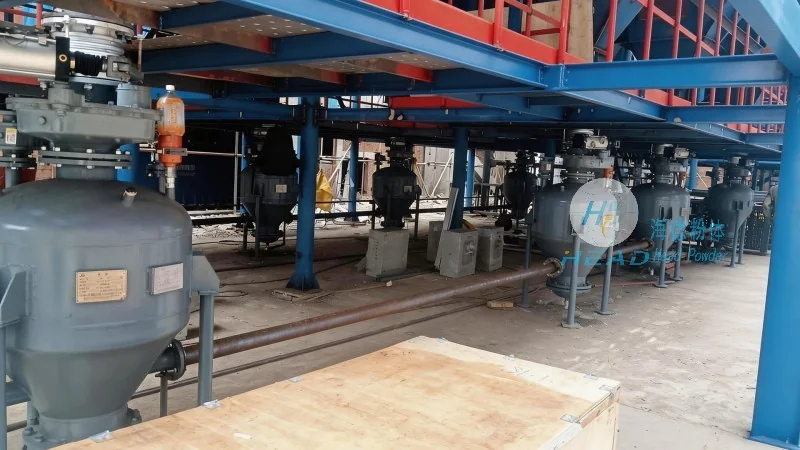
Role of Shandong HeadPowder Engineering Co., Ltd.
Shandong HeadPowder Engineering Co., Ltd. specializes in designing and manufacturing customized pneumatic conveying solutions tailored to the needs of grass powder handling. The company leverages advanced engineering and material science to develop systems that optimize performance, efficiency, and reliability. With a focus on durability and low maintenance, their solutions are built to withstand the demands of agricultural and industrial environments. The company's expertise includes system design, component selection, and installation services, ensuring that clients receive end-to-end support from initial consultation to long-term operation. Based in Shandong, China, HeadPowder Engineering Co., Ltd. serves a global market, providing high-quality equipment that meets international standards for safety and efficiency.
Conclusion and Practical Recommendations
Both positive and negative pressure pneumatic conveying modes offer viable solutions for grass powder transport, each with distinct advantages and limitations. The selection should be based on a thorough analysis of the application's specific parameters, including distance, material characteristics, and operational constraints. For short-distance, high-capacity transport of dry grass powder, positive pressure systems are often the preferred choice due to their robustness and efficiency. For longer distances or applications requiring strict dust control, negative pressure systems provide a reliable alternative. It is essential to consult with experienced engineers, such as those at Shandong HeadPowder Engineering Co., Ltd., to evaluate the most suitable system configuration. By understanding the operational principles and comparing the benefits of each mode, industries can optimize their material handling processes, reduce costs, and enhance overall productivity.




