The selection of an appropriate conveying system is a critical decision in the manufacturing process of lithium-ion batteries. Among the various options, positive pressure and negative pressure conveying are two primary methods used to transport materials such as lithium-ion battery powders. Understanding the differences between these systems and how to choose the right one is essential for optimizing production efficiency and ensuring material integrity. This article explores the characteristics of positive and negative pressure conveying, key considerations for selection, and how to distinguish between them based on specific operational needs.
Company Profile: Shandong HeadPowder Engineering Co., Ltd.
HeadPowder, a leading provider of powder handling solutions, specializes in engineering and manufacturing advanced conveying systems tailored to the needs of the battery industry. With a focus on innovation and precision, HeadPowder's solutions are designed to enhance productivity and safety in lithium-ion battery production facilities. The company is headquartered in Shandong, China, and serves clients globally with customized solutions for material transport and processing.
Positive Pressure Conveying: Principles and Operational Characteristics
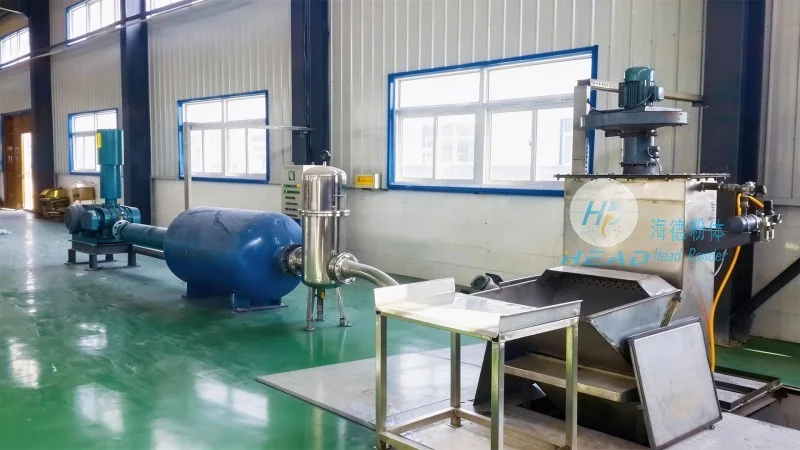
Positive pressure conveying systems operate by forcing material through a pipeline using a positive pressure differential. This is typically achieved through a blower or compressor that generates an air stream, which carries the powder from the source to the destination. The system maintains a positive pressure throughout the pipeline, preventing external air from entering and ensuring a consistent flow of material. Positive pressure conveying is often preferred for applications requiring high material throughput, long-distance transport, or when handling materials that are prone to dusting or caking.
Key advantages of positive pressure systems include their ability to handle a wide range of particle sizes and moisture content, as well as their suitability for transporting materials in bulk. The positive pressure environment also helps to prevent contamination from external sources, making it ideal for sensitive battery materials. However, these systems may require more energy to operate and can generate higher levels of noise and dust, necessitating proper ventilation and filtration.
Negative Pressure Conveying: Principles and Operational Characteristics
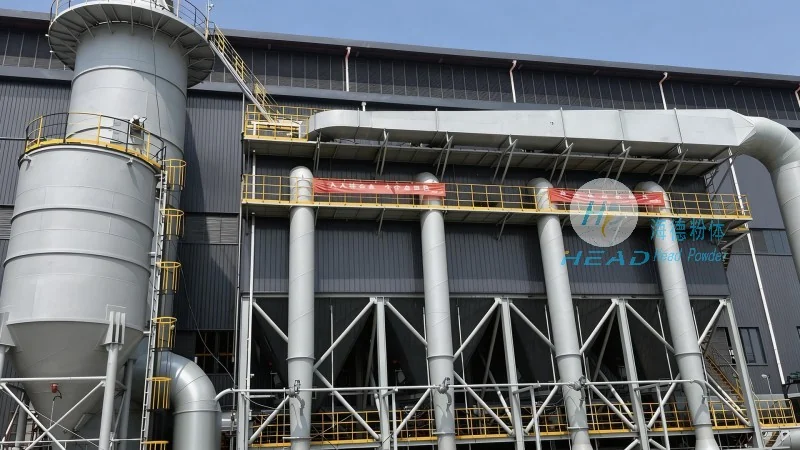
In contrast, negative pressure conveying systems operate by creating a vacuum or negative pressure in the pipeline, which draws material from the source to the destination. A fan or vacuum pump is used to create the suction force, pulling the powder through the system. The system maintains a negative pressure relative to the ambient environment, which helps to contain dust and prevent material loss. Negative pressure conveying is commonly used for applications where material is generated at the source, such as in grinding or mixing operations, and needs to be transported to a collection or processing point.
Negative pressure systems are generally more energy-efficient than positive pressure systems, as they rely on suction rather than compression. They are also quieter and produce less noise, making them suitable for environments where noise control is a priority. However, these systems may have limitations in terms of the maximum distance or particle size they can handle, and they require careful maintenance to prevent clogging or damage to the vacuum pump.
Key Factors to Consider When Choosing a Conveying System
When deciding between positive and negative pressure conveying for lithium-ion battery materials, several factors must be evaluated. The first consideration is the material properties, including particle size, moisture content, and dust generation. For example, fine powders with high dust potential may be better suited for negative pressure systems to prevent contamination, while larger or bulkier materials may benefit from positive pressure systems for consistent flow.
Another critical factor is the distance and layout of the production facility. Positive pressure systems are generally more suitable for longer transport distances due to their ability to maintain pressure and flow. Negative pressure systems, on the other hand, may be limited by the suction capacity and are more effective for shorter distances or localized material transport.
Cost and energy efficiency are also important considerations. Positive pressure systems typically require more energy to operate due to the compression of air, while negative pressure systems are more energy-efficient. However, the initial investment and maintenance costs may vary, and a thorough cost-benefit analysis is recommended to determine the most economical option.
Safety and environmental compliance are additional factors to consider. Both systems must comply with local regulations regarding dust control and air quality. Positive pressure systems may require additional filtration to prevent dust escape, while negative pressure systems need to ensure that the vacuum is maintained to avoid material leakage. Proper ventilation and dust collection systems are essential for both types of conveying to ensure a safe working environment.
Conclusion
Choosing between positive and negative pressure conveying for lithium-ion battery materials requires a careful evaluation of operational requirements, material characteristics, and production constraints. Positive pressure systems offer advantages in terms of material throughput and long-distance transport, while negative pressure systems excel in energy efficiency and noise control. By understanding the principles and applications of each system, manufacturers can select the most appropriate conveying solution to enhance productivity, ensure material integrity, and maintain a safe working environment.




