When it comes to efficiently handling and transporting alloy powders, the design of a reliable pneumatic conveying system is paramount. Such systems are essential for industries that rely on precise material movement, ensuring minimal product degradation and optimal operational performance. This article explores the key considerations and components involved in the design of a pneumatic conveying system tailored for alloy powders, highlighting the expertise of Shandong HeadPowder Engineering Co., Ltd., a leading provider in this field.
Understanding the Core Components of Alloy Powder Pneumatic Conveying Systems
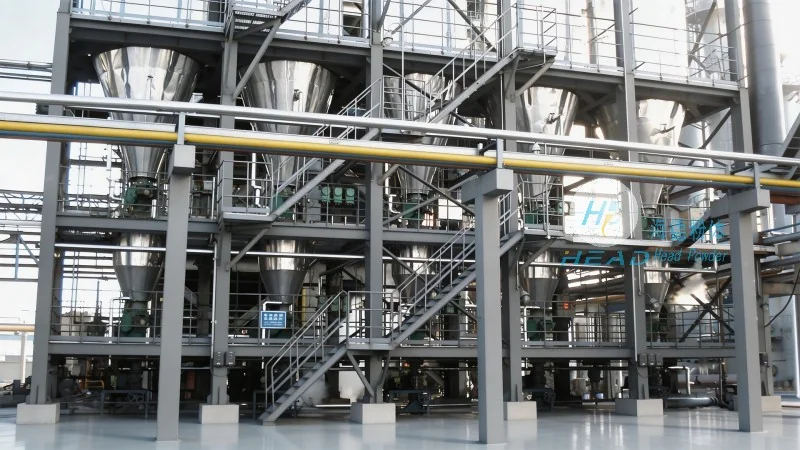
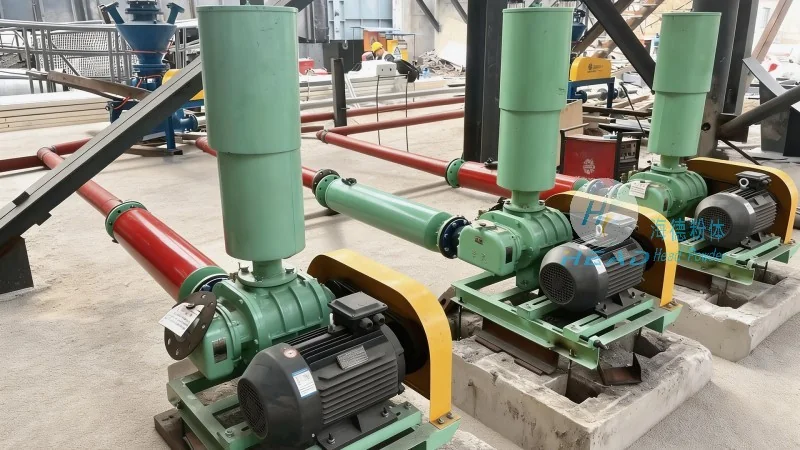
A pneumatic conveying system for alloy powders typically consists of several critical components that work in tandem to ensure efficient material transport. The primary elements include a material hopper or feeder, a conveying line (often equipped with a venturi or other air delivery mechanism), a receiver or discharge point, and a dust collection system. Each component must be carefully selected and integrated to accommodate the specific properties of alloy powders, such as their particle size, density, and flow characteristics. For instance, the material hopper may need to be designed with a specific angle or aeration system to prevent bridging or caking, which are common issues with fine powders. The conveying line's diameter and length are also crucial, as they directly impact the system's air velocity and pressure requirements. Proper sizing of the venturi or air pump ensures that the necessary airflow is maintained to move the powder without excessive pressure drops or particle degradation.
Key Design Considerations for Alloy Powder Handling
Designing a pneumatic conveying system for alloy powders requires a deep understanding of both the material's physical properties and the operational environment. One of the most critical factors is the particle size distribution and density of the alloy powder. Finer particles tend to create more friction and require higher air velocities to maintain flow, while larger particles may need lower velocities to prevent abrasion on system components. The system's pressure and air flow rate must be optimized to balance these factors, ensuring that the powder is conveyed smoothly without causing excessive wear or energy consumption. Additionally, the system must be designed to minimize product contamination and degradation. This involves using materials that are compatible with the alloy powder, such as stainless steel or specialized coatings, to prevent chemical reactions or particle adhesion. The inclusion of a dust collection system is also vital, as it helps to capture any airborne particles and maintain a clean working environment, which is particularly important in industries where alloy powders are used in high-purity applications.
Customization and Integration with Existing Facilities
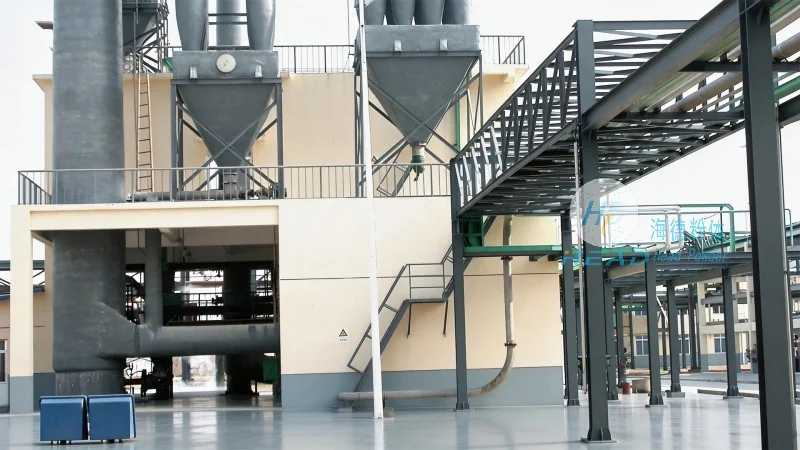
Shandong HeadPowder Engineering Co., Ltd. specializes in designing customized pneumatic conveying systems that can be seamlessly integrated with existing industrial facilities. The company's approach involves a thorough analysis of the client's operational needs, including the volume of powder to be transported, the distance between the source and destination, and any specific regulatory or safety requirements. By leveraging their expertise in material science and mechanical engineering, HeadPowder engineers can develop tailored solutions that optimize performance while minimizing costs. For example, a system may be designed to incorporate a combination of positive and negative pressure conveying methods, depending on the layout of the facility and the need to transport powder over long distances or through complex pathways. The company also considers factors such as energy efficiency and maintenance requirements, ensuring that the final system is not only effective but also sustainable and easy to operate over the long term.
Ensuring Reliability and Durability in Alloy Powder Conveying
Reliability and durability are paramount when designing a pneumatic conveying system for alloy powders, as these systems often operate continuously and handle materials that can be abrasive or corrosive. The choice of materials for system components, such as the hopper, conveying line, and valves, is critical to ensure longevity and prevent premature failure. Stainless steel is commonly used for its resistance to corrosion and wear, while specialized coatings may be applied to components that come into direct contact with the powder to further enhance durability. Regular maintenance and monitoring are also essential to ensure the system operates at peak efficiency. HeadPowder provides comprehensive support, including system testing and performance monitoring, to ensure that the conveying system meets the client's expectations and operates reliably over time. By focusing on quality materials and rigorous testing, the company ensures that their pneumatic conveying systems are built to withstand the demands of alloy powder handling.
Conclusion: The Role of Expert Engineering in Alloy Powder Conveying
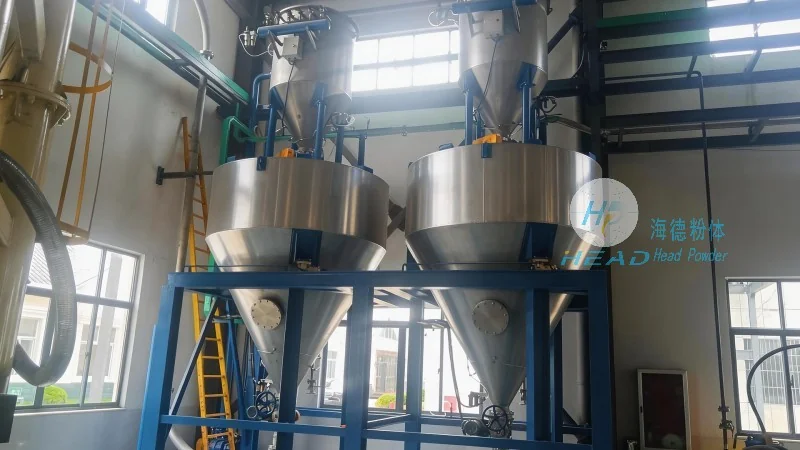
In conclusion, the design of a pneumatic conveying system for alloy powders is a complex process that requires a combination of technical expertise, material knowledge, and practical experience. Shandong HeadPowder Engineering Co., Ltd. stands out as a leader in this field, offering customized solutions that address the unique challenges of alloy powder handling. By focusing on reliability, efficiency, and durability, HeadPowder ensures that their systems deliver optimal performance while minimizing downtime and maintenance costs. For industries that rely on precise and efficient material transport, investing in a well-designed pneumatic conveying system is not just a choice but a necessity. With the expertise of HeadPowder, businesses can achieve seamless alloy powder handling, enhancing their operational efficiency and product quality.




