For industrial applications involving the transport of activated carbon granules, understanding the core structures of pneumatic conveying systems is essential. These systems are designed to efficiently move granular materials like activated carbon through a pipeline using air or other gas as the conveying medium. The primary structures that constitute such systems are critical for ensuring reliable and efficient material handling, especially in processes where activated carbon is used for filtration, adsorption, or other industrial purposes.
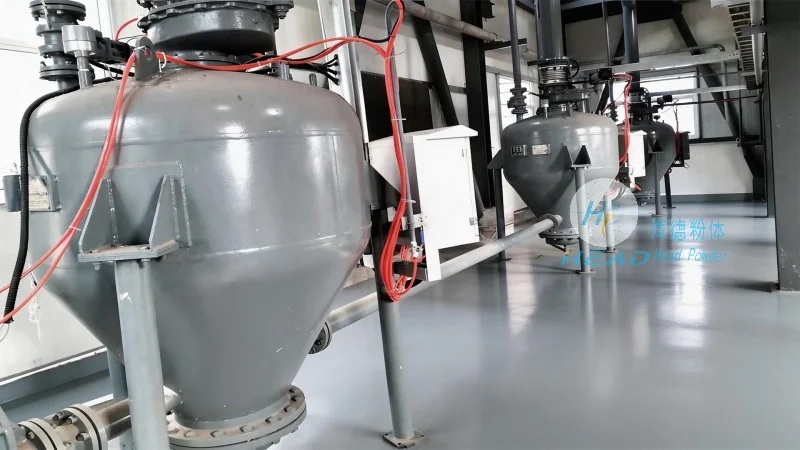
Key Components of Pneumatic Conveying Systems for Activated Carbon Granules
The pneumatic conveying system for activated carbon granules typically consists of several interconnected components that work together to facilitate material transport. The main structures include the feed hopper, which holds the activated carbon granules and regulates the flow into the system. The feed hopper is equipped with a valve or feeder mechanism to control the discharge rate, ensuring a consistent supply of material to the conveying line.
Next, the conveying line itself, which is a pipeline through which the activated carbon granules are transported. The design of the pipeline, including its diameter, length, and bends, is crucial for maintaining the efficiency of the conveying process. Properly sized and routed pipelines minimize pressure losses and prevent material buildup or blockages. The conveying line may also incorporate features such as expansion joints or flexible connectors to accommodate thermal expansion and reduce stress on the system components.
Compressed air or gas is supplied to the system via a blower or compressor. The blower generates the necessary pressure and airflow to move the activated carbon granules through the pipeline. The choice of blower type, such as a positive displacement blower or a centrifugal fan, depends on the specific requirements of the application, including the material characteristics, conveying distance, and desired flow rate. The blower is connected to the conveying line through a manifold or ducting system, which distributes the air evenly to the pipeline.
At the receiving end of the system, a receiver or discharge hopper is used to collect the activated carbon granules. The receiver is designed to handle the incoming material and may include a filter or separator to remove any entrained air or dust. The discharge hopper is equipped with a discharge valve or conveyor to transfer the material to the next stage of the process, such as storage or further processing. The receiver may also be equipped with a level indicator or sensor to monitor the material level and trigger an alarm or control signal when the hopper is full or empty.
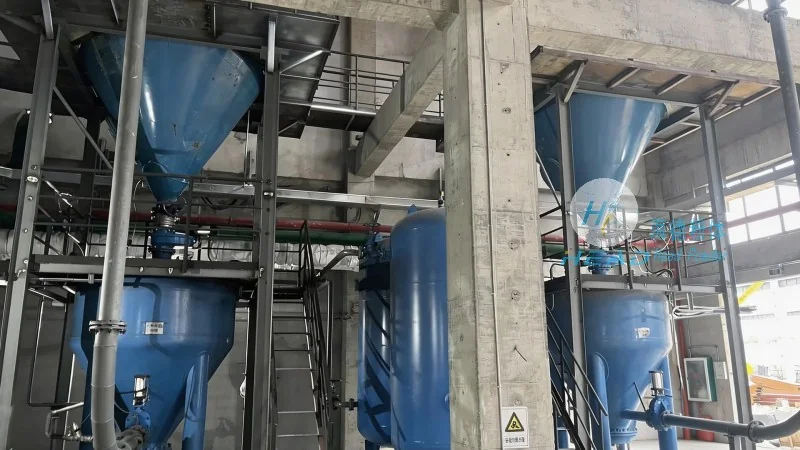
Design Considerations for Efficient Activated Carbon Granule Conveying
When designing a pneumatic conveying system for activated carbon granules, several factors must be considered to ensure optimal performance. The particle size and density of the activated carbon granules are key factors that influence the conveying process. Larger or denser particles may require higher air velocities or pressure to maintain flow, while smaller or lighter particles may be more susceptible to segregation or bridging in the hopper or pipeline.
The conveying distance and elevation change are also critical design considerations. Longer conveying distances or higher elevations increase the pressure drop along the pipeline, requiring a more powerful blower or additional booster units to maintain the necessary airflow. The system may include booster blowers or pressure vessels to compensate for pressure losses and ensure consistent material transport over longer distances.
Material compatibility and corrosion resistance are important considerations, especially when handling activated carbon granules that may contain moisture or other corrosive substances. The components of the pneumatic conveying system, such as the hopper, pipeline, and blower, must be constructed from materials that are resistant to corrosion and wear, such as stainless steel or specialized alloys. This ensures the longevity and reliability of the system, minimizing maintenance and downtime.
Control systems play a vital role in optimizing the performance of the pneumatic conveying system. Automated control systems can regulate the feed rate, air pressure, and material flow, ensuring consistent operation and preventing overloading or underloading of the system. Sensors and monitoring devices can provide real-time data on system performance, such as pressure, flow rate, and material level, allowing for quick adjustments and troubleshooting.
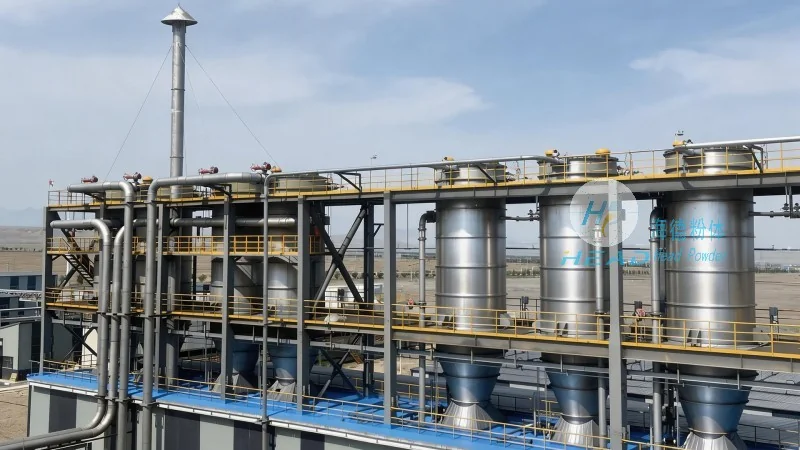
Applications and Benefits of Pneumatic Conveying for Activated Carbon Granules
Pneumatic conveying systems for activated carbon granules are widely used in various industrial applications, including water treatment, air purification, and chemical processing. In water treatment facilities, activated carbon is used to remove impurities and contaminants from water, and pneumatic conveying allows for efficient transport of the granules to the filtration or adsorption units. The system ensures that the activated carbon is delivered to the treatment plant in a controlled manner, maintaining the quality of the water treatment process.
In air purification systems, activated carbon is used to adsorb volatile organic compounds (VOCs) and other pollutants from industrial exhaust gases. Pneumatic conveying enables the transport of activated carbon granules to the adsorption beds or filters, where they can effectively remove the pollutants. The system’s ability to handle fine particles and maintain consistent flow ensures the efficiency of the air purification process, contributing to better air quality and compliance with environmental regulations.
In chemical processing industries, activated carbon is used as a catalyst or adsorbent in various reactions and processes. Pneumatic conveying allows for the precise delivery of activated carbon granules to the reaction vessels or processing equipment, ensuring uniform mixing and optimal reaction conditions. The system’s flexibility and ability to handle different particle sizes make it suitable for a wide range of chemical applications, enhancing productivity and reducing material waste.
The benefits of using pneumatic conveying for activated carbon granules include improved efficiency, reduced labor costs, and enhanced safety. The system eliminates the need for manual handling of heavy or dusty materials, reducing the risk of accidents and exposure to harmful substances. Additionally, pneumatic conveying can handle large volumes of material over long distances, making it suitable for high-throughput industrial operations. The consistent flow and control of the system also help maintain product quality and reduce variability in the final output.




