When designing a dry mix mortar pneumatic conveying system, several critical factors must be considered to ensure efficiency, reliability, and cost-effectiveness. The system's performance is directly influenced by the selection of components, material properties, and operational parameters. This article outlines key design considerations that professionals in the construction and material handling industries should evaluate when developing such systems.
System Selection and Component Integration
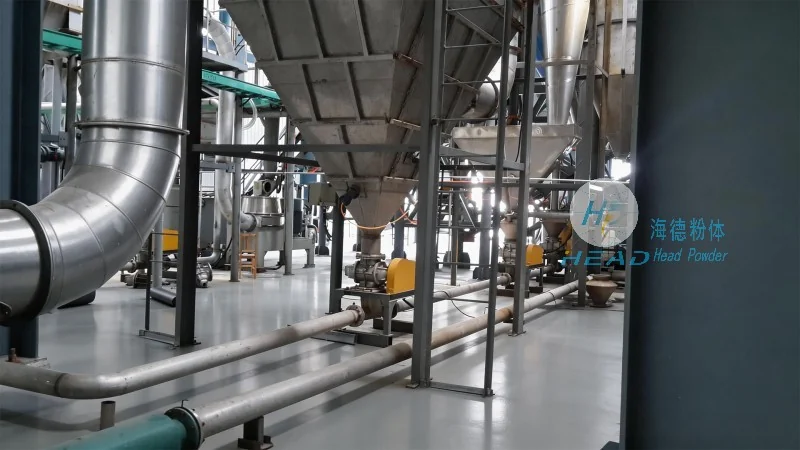
The first step in designing a dry mix mortar pneumatic conveying system is to select the appropriate conveying method. Common options include positive pressure, negative pressure, and mixed pressure systems. Each method has distinct advantages and is suitable for different applications. For example, positive pressure systems are ideal for long-distance conveying and high-volume material transport, while negative pressure systems are better suited for short distances and applications requiring dust control. The choice of system type depends on factors such as the distance between the source and destination, the volume of material to be conveyed, and the required level of dust containment. In addition to the conveying method, the selection of components like pumps, cyclones, and filters is crucial. High-quality components from reputable manufacturers, such as Shandong HeadPowder Engineering Co., Ltd., ensure optimal performance and longevity. The company specializes in providing tailored solutions that meet specific operational needs, leveraging years of experience in the industry.
Material Properties and Flow Characteristics
Dry mix mortar consists of various components, including cement, sand, additives, and water (in some cases, pre-mixed). The physical properties of these materials, such as particle size distribution, moisture content, and bulk density, significantly impact the system's design. For instance, materials with high moisture content may require additional drying steps or specialized equipment to prevent clogging and maintain consistent flow. The particle size distribution affects the air velocity required for effective conveying, as smaller particles may need higher air speeds to prevent settling. Understanding these properties allows engineers to select the appropriate air velocity and pressure levels. Shandong HeadPowder Engineering Co., Ltd. conducts thorough material analysis to determine the optimal conveying parameters, ensuring that the system operates efficiently and safely. This analysis includes testing for particle size, moisture content, and bulk density, which are essential for customizing the system to the specific material being handled.
Pressure and Airflow Management
Effective pressure and airflow management are critical to the success of a dry mix mortar pneumatic conveying system. The system must maintain consistent pressure levels to ensure smooth material transport. This involves selecting the right type of air compressor, which can be either positive displacement or rotary screw, depending on the system's requirements. The compressor's capacity and pressure rating must match the system's needs to avoid underperformance or excessive energy consumption. Airflow management also includes the design of the pipeline network, which should be sized appropriately to minimize pressure losses. Properly sized pipes reduce energy costs and prevent material buildup, which can lead to system downtime. Additionally, the inclusion of pressure relief valves and flow meters helps monitor and control the system's performance in real-time. Shandong HeadPowder Engineering Co., Ltd. employs advanced simulation tools to model airflow and pressure dynamics, allowing for precise adjustments and optimization of the system. This approach ensures that the system operates within safe and efficient parameters, reducing the risk of equipment failure and material loss.
Pipeline Design and Layout
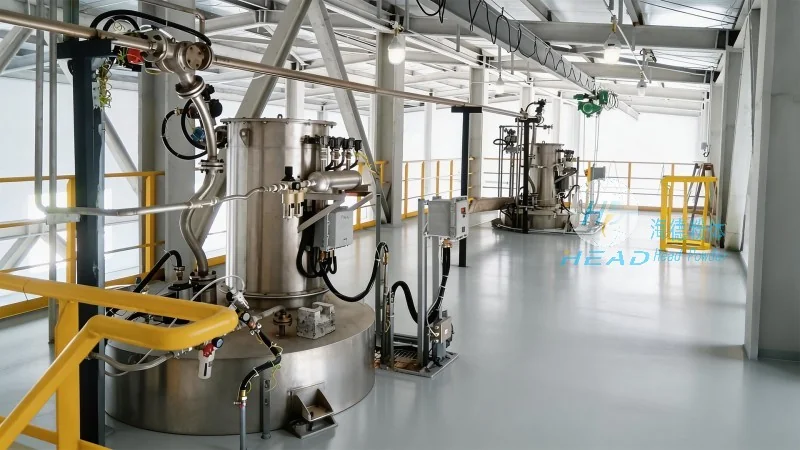
The layout and design of the pipeline system play a vital role in the overall performance of the dry mix mortar pneumatic conveying system. The pipeline should be designed to minimize bends and changes in direction, as these can cause pressure drops and material accumulation. Smooth, gradual bends are preferred over sharp angles to maintain consistent airflow and prevent clogging. The material of the pipeline, such as stainless steel or PVC, must be selected based on the material being conveyed and the environmental conditions. Stainless steel is commonly used for its corrosion resistance and durability, while PVC is suitable for applications where chemical resistance is required. The pipeline should also be equipped with appropriate supports and hangers to prevent sagging and maintain proper alignment. Proper installation and maintenance of the pipeline are essential to ensure long-term system reliability. Shandong HeadPowder Engineering Co., Ltd. provides comprehensive pipeline design services, including 3D modeling and layout planning, to optimize the system's performance and minimize operational costs. Their expertise in pipeline engineering ensures that the system is built to withstand the demands of industrial applications.
Equipment Selection and Maintenance
The selection of key equipment, such as cyclones, filters, and material feeders, is critical to the efficiency and longevity of the dry mix mortar pneumatic conveying system. Cyclones are used to separate the conveyed material from the air stream, and their design must be optimized for the specific material being handled. The size and number of cyclones depend on the material's particle size and the required separation efficiency. Filters are essential for maintaining air quality and preventing dust emissions, and their selection should consider the material's dust characteristics and the environmental regulations in the area. Material feeders, such as rotary valves or screw conveyors, ensure a consistent feed rate to the system, preventing surges and clogs. Proper maintenance of these components is crucial to avoid system failures and downtime. Regular cleaning of cyclones and filters, as well as inspection of feeders and pumps, helps maintain optimal performance. Shandong HeadPowder Engineering Co., Ltd. offers maintenance services and spare parts supply to ensure that the system remains in good working condition. Their team of experts provides on-site support and technical guidance, helping clients maximize the system's lifespan and minimize operational costs.
Energy Efficiency and Environmental Considerations
Energy efficiency and environmental compliance are important considerations when designing a dry mix mortar pneumatic conveying system. High energy consumption can increase operational costs, while excessive dust emissions may lead to regulatory issues. To improve energy efficiency, engineers can use variable frequency drives (VFDs) to adjust the compressor speed based on the system's demand. This reduces energy waste during low-demand periods. Additionally, the use of efficient filters and cyclones minimizes the amount of air required for conveying, further reducing energy consumption. Environmental considerations include the design of dust collection systems and the use of materials that minimize emissions. Shandong HeadPowder Engineering Co., Ltd. incorporates sustainable design principles into their systems, ensuring that they meet or exceed environmental regulations. Their commitment to energy efficiency and environmental responsibility helps clients reduce their carbon footprint and operating costs.
System Integration and Control
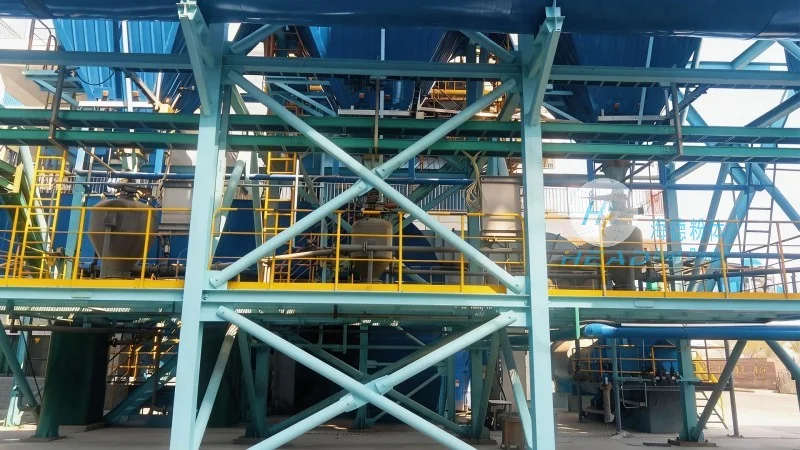
The integration of the dry mix mortar pneumatic conveying system with other processes, such as batching and mixing, is essential for seamless operation. The system must be controlled by a centralized control system that coordinates the flow of materials and energy. This includes sensors for monitoring pressure, flow, and material levels, as well as control valves and actuators for adjusting the system's parameters. The control system should be user-friendly and capable of remote monitoring, allowing operators to manage the system from a central location. Shandong HeadPowder Engineering Co., Ltd. provides comprehensive control system solutions, including PLC (Programmable Logic Controller) integration and SCADA (Supervisory Control and Data Acquisition) systems. Their expertise in system integration ensures that the dry mix mortar pneumatic conveying system operates in harmony with other industrial processes, improving overall productivity and efficiency.
Case Studies and Industry Applications
Real-world applications of dry mix mortar pneumatic conveying systems highlight the importance of proper design and implementation. For example, in a large-scale construction project, a positive pressure system was used to transport dry mix mortar from a central batching plant to multiple job sites over a distance of 2 kilometers. The system was designed with high-capacity pumps and large-diameter pipelines to handle the high volume of material. The cyclones and filters were sized to meet the dust emission standards, ensuring compliance with environmental regulations. The system operated efficiently for over 10 years with minimal maintenance, demonstrating the effectiveness of the design. Another application involved a negative pressure system in a manufacturing facility, where the system was used to convey dry mix mortar from a storage silo to a mixing plant. The system was designed to minimize dust emissions and maintain a clean working environment. The use of high-quality components from Shandong HeadPowder Engineering Co., Ltd. contributed to the system's long-term reliability and performance. These case studies illustrate the importance of considering specific operational requirements and material characteristics when designing a dry mix mortar pneumatic conveying system.
Conclusion
Designing a dry mix mortar pneumatic conveying system requires a comprehensive approach that considers various factors, including system selection, material properties, pressure management, pipeline design, equipment selection, energy efficiency, and system integration. By carefully evaluating these factors and leveraging the expertise of companies like Shandong HeadPowder Engineering Co., Ltd., engineers can develop systems that are efficient, reliable, and cost-effective. The company's commitment to quality, innovation, and customer satisfaction ensures that clients receive tailored solutions that meet their specific needs. Whether for construction projects or industrial applications, a well-designed dry mix mortar pneumatic conveying system can significantly improve material handling efficiency and reduce operational costs.




