For agricultural operations dealing with corn stalk processing, the efficient and reliable transport of this biomass material is crucial. A well-designed corn stalk pneumatic conveying system can significantly enhance production efficiency and reduce operational costs. This article outlines key design considerations for such systems, emphasizing the expertise of Shandong HeadPowder Engineering Co., Ltd., a leading provider in the field.
System Overview and Core Components
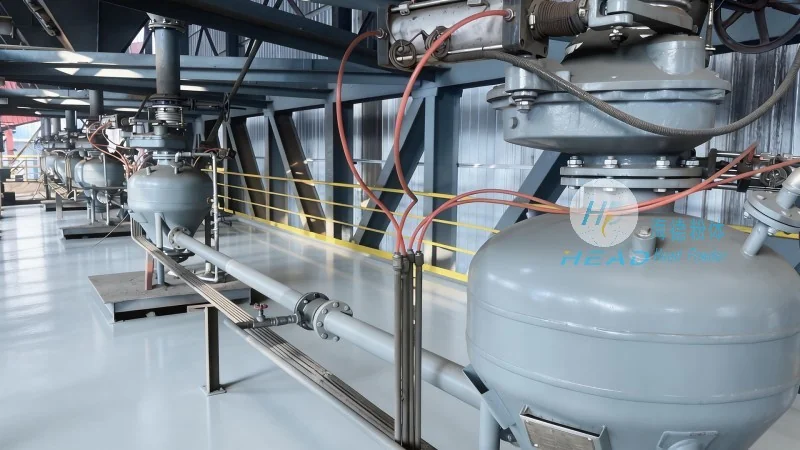
A corn stalk pneumatic conveying system typically consists of several critical components, including a hopper for material storage, a conveyor line with appropriate ductwork, a blower or fan to generate the air flow, and a separation or collection unit. The design of each component must align with the specific characteristics of corn stalks, such as their high moisture content, irregular shape, and potential for dust generation. Shandong HeadPowder Engineering Co., Ltd. specializes in tailoring these components to meet the unique demands of agricultural processing facilities.
Material Handling Challenges and Solutions
Corn stalks present distinct challenges in material handling due to their physical properties. They are often bulky, have varying lengths, and can be prone to clogging in traditional conveyor systems. To address these issues, pneumatic conveying systems utilize air pressure to move materials through pipes, eliminating the need for mechanical contact that can cause damage or blockages. The system design must consider factors like air velocity, pressure drop, and pipe diameter to ensure smooth material flow. HeadPowder engineers employ advanced computational fluid dynamics (CFD) and material testing to optimize these parameters, resulting in systems that maintain high throughput while minimizing energy consumption.
Design Considerations for System Efficiency
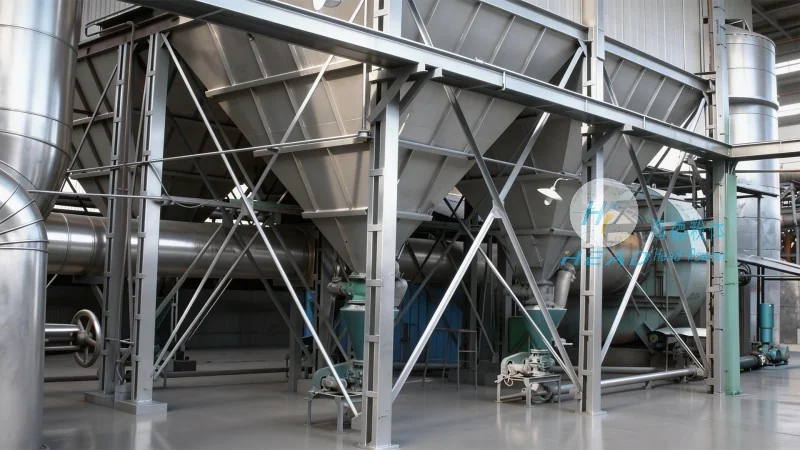
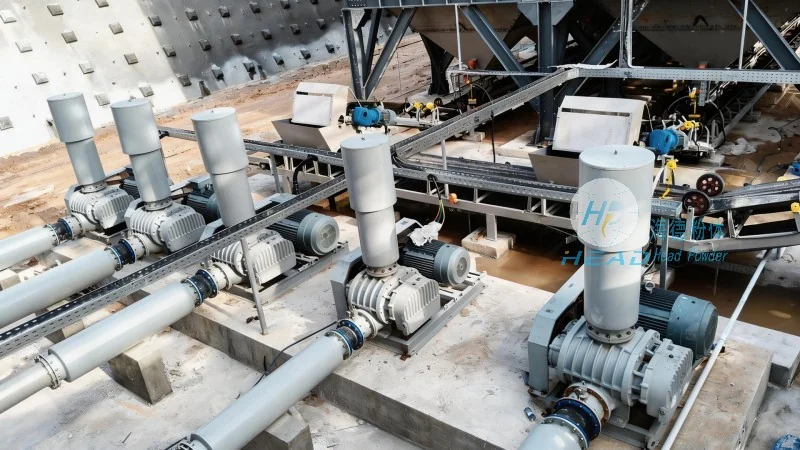
Efficiency is a primary focus in the design of corn stalk pneumatic conveying systems. This includes optimizing the blower capacity to match the system's air demand, selecting appropriate ductwork materials that resist corrosion and abrasion from the biomass, and implementing effective dust control measures to comply with environmental regulations. The system layout should also consider space constraints and operational flow, ensuring that the conveying path is as direct as possible to reduce pressure losses. Shandong HeadPowder Engineering Co., Ltd. emphasizes energy efficiency by integrating variable frequency drives (VFDs) into the blower systems, allowing for adjustable air flow based on real-time material feed rates. This not only saves energy but also extends the lifespan of the equipment.
Integration with Processing Facilities
The corn stalk pneumatic conveying system must seamlessly integrate with the broader processing facility. This involves coordinating with other equipment such as choppers, dryers, or pelletizers to ensure a continuous material flow from field to final product. The design must account for the entire production line, from raw material reception to finished product packaging. HeadPowder's approach includes comprehensive site surveys and process analysis to identify bottlenecks and optimize the system's integration. By aligning the conveying system with the overall processing workflow, the company ensures that the facility operates at peak performance, minimizing downtime and maximizing productivity.
Maintenance and Durability
Long-term reliability is essential for agricultural processing equipment, and the corn stalk pneumatic conveying system is no exception. The system components, especially the ductwork and separation units, are exposed to abrasive materials and high moisture levels, which can lead to wear and tear over time. Shandong HeadPowder Engineering Co., Ltd. incorporates durable materials, such as high-strength steel and wear-resistant coatings, to extend the system's service life. Regular maintenance schedules are also recommended, including periodic cleaning of ducts and blower components to prevent clogging and maintain optimal performance. The company provides comprehensive maintenance services and spare parts support to ensure that clients can keep their systems running smoothly for years.
Environmental and Safety Considerations
As agricultural operations increasingly prioritize sustainability, the design of corn stalk pneumatic conveying systems must address environmental and safety concerns. The system should minimize dust emissions through effective filtration and ventilation systems, complying with local air quality regulations. Additionally, safety features such as emergency shut-off valves and protective enclosures are integrated to prevent accidents during operation. HeadPowder engineers adhere to international safety standards and conduct thorough risk assessments during the design phase to ensure that the system is safe for both personnel and the environment. By prioritizing environmental responsibility and safety, the company helps clients meet regulatory requirements while maintaining a safe working environment.




