Shandong HeadPowder Engineering Co., Ltd., commonly known as headpowder, specializes in the design, manufacturing, and supply of advanced pneumatic conveying equipment tailored for handling powder materials. With a focus on efficiency and reliability, the company's products are widely used in various industrial sectors, including mining, chemical processing, and food production. Headquartered in Shandong, China, headpowder leverages decades of experience to deliver solutions that meet the unique demands of modern material handling applications.
Working Principle of Pneumatic Conveying Systems
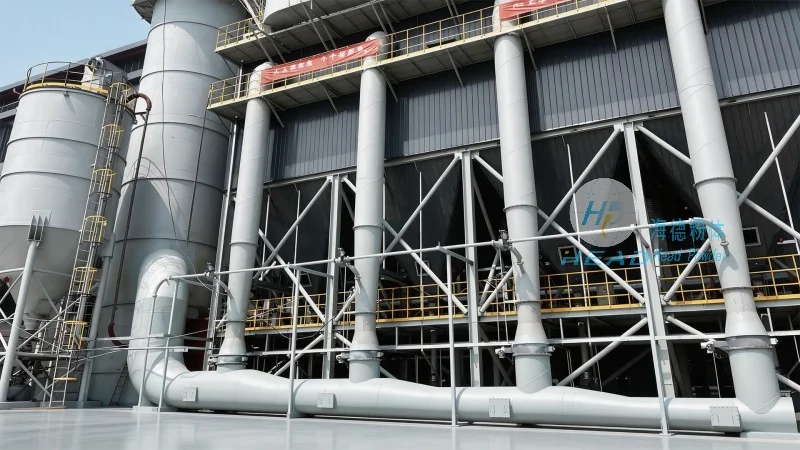
The core of pneumatic conveying equipment lies in the use of compressed air or gas to transport bulk powder materials through a pipeline system. This process involves several key components and mechanisms that work in tandem to ensure smooth and efficient material transfer. The system typically includes a hopper for material storage, a blower or compressor to generate the necessary air pressure, a pipeline network to guide the material flow, and a discharge point where the material is released. The operation begins when the powder is drawn from the hopper by the air flow, creating a suspension of particles in the air stream. This suspension travels through the pipeline, maintaining a consistent velocity to prevent particle separation or settling. The design of the conveying system, including the size and shape of the pipeline, the air velocity, and the material properties, is critical to achieving optimal performance and minimizing operational issues such as blockages or degradation of the material.
Operation Process of Powder Material Pneumatic Conveying
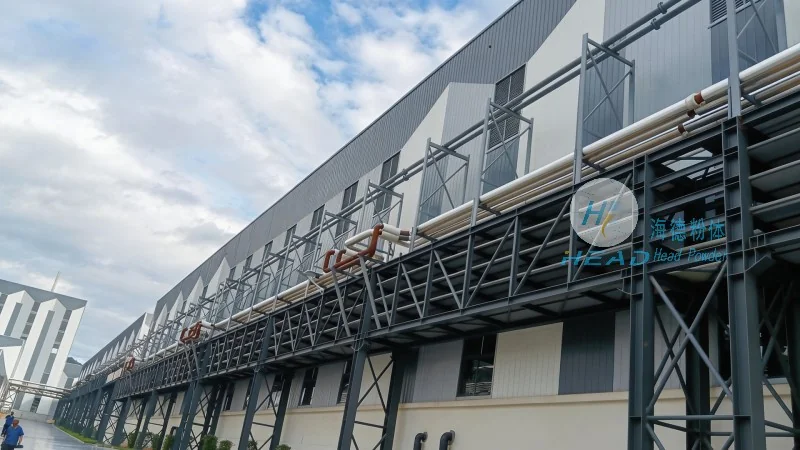
The operation of a pneumatic conveying system for powder materials involves a series of controlled steps to ensure safe and efficient material transport. Initially, the powder is loaded into the hopper, which is equipped with a feeding mechanism to regulate the flow rate. The blower then starts, generating the required air pressure to initiate the conveying process. As the air flows through the pipeline, it draws the powder from the hopper, forming a dense phase or dilute phase conveying system depending on the design. The dense phase system uses higher air velocities and lower material concentrations to maintain a more stable flow, while the dilute phase system operates with lower velocities and higher material concentrations, often used for longer distances or more abrasive materials. Throughout the process, sensors and control systems monitor the pressure, flow rate, and material level to maintain optimal conditions. The discharge point is designed to allow the powder to be released smoothly, without causing blockages or dust emissions. The entire process is automated to minimize human intervention, ensuring consistent performance and reducing the risk of operational errors.
Key Features and Advantages of Pneumatic Conveying Equipment
Headpowder's pneumatic conveying equipment offers several advantages that make it a preferred choice for industrial applications. One of the primary benefits is the ability to transport powder materials over long distances without the need for mechanical components such as belts or buckets, which can be prone to wear and maintenance issues. The system is also highly flexible, allowing for changes in the conveying route or material type with minimal modifications. Additionally, pneumatic conveying can handle a wide range of powder properties, including abrasive, corrosive, or sensitive materials, without causing degradation or contamination. The equipment is designed with safety features such as dust suppression systems and pressure relief valves to prevent accidents and ensure compliance with industrial regulations. Furthermore, the use of compressed air provides a clean and hygienic environment, which is particularly important in food and pharmaceutical industries where contamination control is critical.
Conclusion and Company Commitment
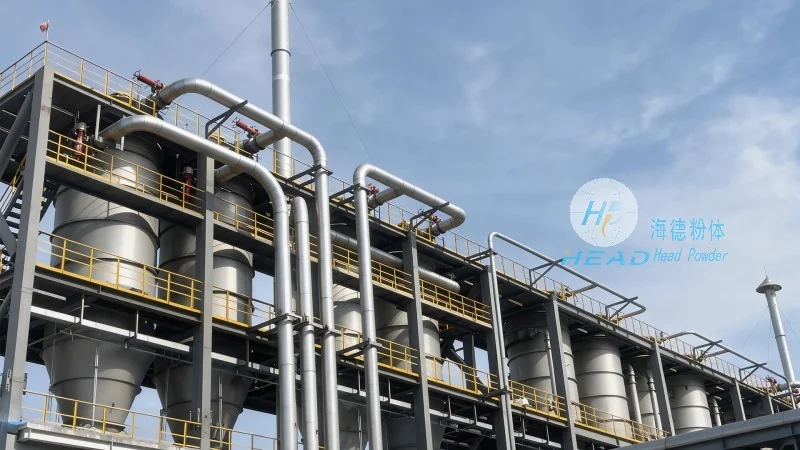
Shandong HeadPowder Engineering Co., Ltd. remains committed to providing high-quality pneumatic conveying solutions that meet the evolving needs of the industrial sector. By leveraging advanced technology and rigorous quality control, headpowder ensures that its equipment operates reliably and efficiently, delivering long-term value to its customers. With a strong presence in Shandong, China, and a global network of partners, the company continues to innovate and expand its product offerings to address the diverse requirements of powder material handling. Whether for short-distance or long-distance transport, headpowder's pneumatic conveying equipment is designed to enhance productivity, reduce operational costs, and improve overall process efficiency.




