HeadPowder, a leading engineering firm based in Shandong, China, specializes in the design and implementation of advanced pneumatic conveying systems for sodium bicarbonate. This article outlines the critical design considerations and technical solutions that ensure efficient, reliable, and cost-effective operation of such systems.
Understanding the Core Requirements of Sodium Bicarbonate Pneumatic Conveying
Sodium bicarbonate, commonly known as baking soda, is a fine, light-weight powder with unique handling characteristics. Its low bulk density and tendency to agglomerate or clog conventional conveying equipment make it a challenging material for pneumatic transport. Effective system design must address these challenges to prevent material loss, equipment damage, and operational inefficiencies.
Key Design Considerations for Pneumatic Conveying Systems
Several critical factors must be considered when designing a pneumatic conveying system for sodium bicarbonate. These include material properties, system configuration, and operational parameters. The choice of conveying method—such as dilute phase or dense phase—depends on the distance, volume, and specific handling needs of the application.
System Components and Their Functionality
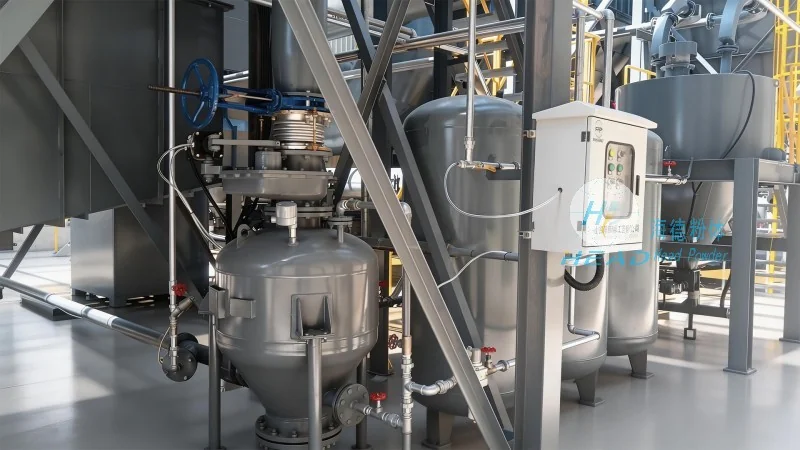
The successful operation of a sodium bicarbonate pneumatic conveying system relies on a well-integrated set of components. These typically include a material feed hopper, a rotary airlock valve, a positive displacement blower or air compressor, a conveying pipeline, and a receiving silo or storage vessel. Each component plays a vital role in maintaining the integrity of the material and ensuring smooth system operation.
Material Feed and Conditioning
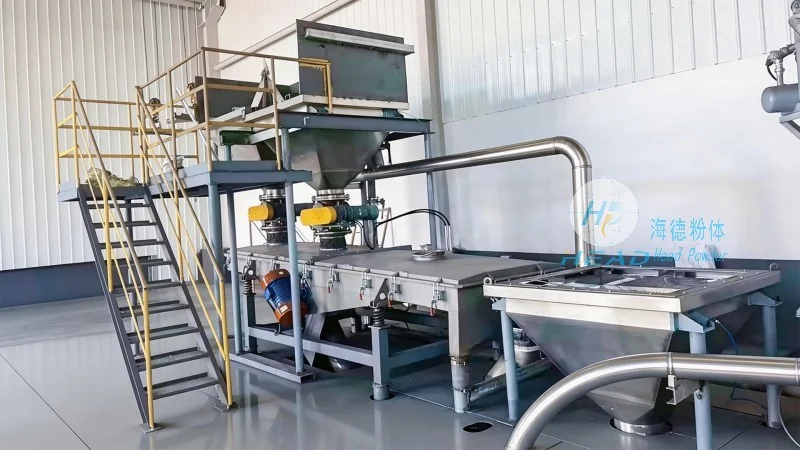
The feed hopper is designed to store and meter the sodium bicarbonate into the system. For fine powders like sodium bicarbonate, a hopper with a conical or wedge-shaped bottom is often used to prevent bridging and ensure uniform flow. A rotary airlock valve, positioned at the discharge of the hopper, regulates the material flow into the conveying line while preventing backflow of air. This component is crucial for maintaining consistent material feed rates and preventing pressure surges.
Conveying Method Selection: Dilute vs. Dense Phase
Dilute phase pneumatic conveying uses low air velocities (typically 20-30 m/s) and high air-to-material ratios, transporting the material in a cloud of powder suspended in air. This method is suitable for short to medium distances (up to several hundred meters) and low to moderate material volumes. Dense phase conveying, on the other hand, employs higher air velocities (30-50 m/s) and lower air-to-material ratios, creating a slurry-like flow where the material is densely packed in the pipeline. This method is ideal for longer distances and for materials that are prone to abrasion or degradation, as it minimizes particle impact and friction.
Blower and Air Compressor Selection
The selection of the air-moving equipment is a critical decision in system design. For dilute phase systems, a positive displacement blower (such as a roots blower or rotary lobe blower) is commonly used due to its ability to provide high pressure and volume at relatively low speeds. This reduces wear and improves energy efficiency. For dense phase systems, a high-pressure air compressor may be required to achieve the necessary air velocity and pressure to maintain the material's dense flow.
Pipeline Design and Material Compatibility
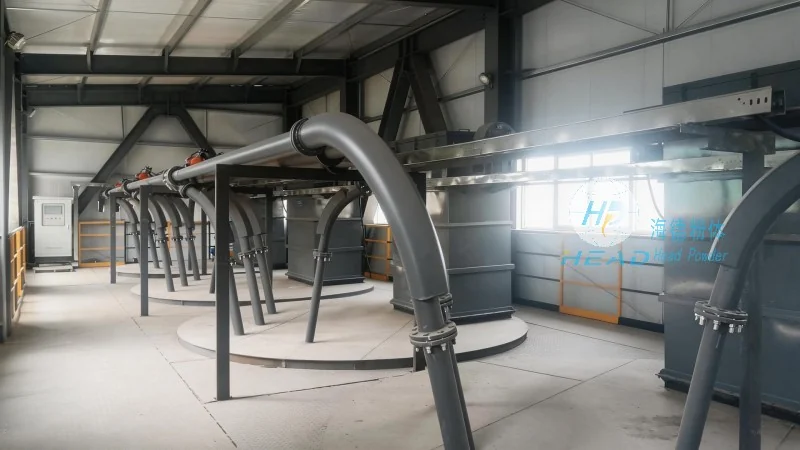
The conveying pipeline must be constructed from materials that are compatible with sodium bicarbonate to prevent corrosion or chemical reactions. Stainless steel or polyethylene is often used for its resistance to the alkaline nature of the powder. The pipeline diameter is carefully selected to balance air velocity and material flow, ensuring that the material remains suspended or densely packed without causing excessive pressure drops or wear.
Receiving and Storage Systems
The receiving silo or storage vessel is designed to collect the conveyed sodium bicarbonate and maintain its quality. It typically includes a hopper with a conical bottom to prevent material bridging and a discharge valve to control the material flow out of the system. Some systems may also include a dust collection system to capture any airborne particles and prevent environmental contamination.
Control and Monitoring Systems
Advanced control systems are essential for optimizing the performance of a sodium bicarbonate pneumatic conveying system. These systems monitor parameters such as pressure, flow rate, and material level, and adjust the operation of the blower or air compressor accordingly. This ensures that the system operates at peak efficiency, minimizes energy consumption, and prevents overloading or underloading conditions.
Case Study: Successful Implementation by HeadPowder
HeadPowder Engineering Co., Ltd. has successfully implemented numerous sodium bicarbonate pneumatic conveying systems for clients across various industries. One notable project involved the design of a dilute phase system for a food processing facility, where the system was required to transport sodium bicarbonate from a storage silo to a production line over a distance of 150 meters. The system was designed with a stainless steel pipeline, a rotary airlock valve, and a roots blower, and included a dust collection system to meet environmental regulations. The system has operated reliably for over two years, achieving a material transfer efficiency of over 98% and reducing labor costs by 30% compared to traditional manual handling methods.
Conclusion
Designing an effective pneumatic conveying system for sodium bicarbonate requires a deep understanding of material properties, system configuration, and operational parameters. By carefully considering factors such as material feed, conveying method, and equipment selection, engineers can develop systems that are efficient, reliable, and cost-effective. HeadPowder Engineering Co., Ltd., with its expertise in this field, continues to provide innovative solutions that meet the unique challenges of sodium bicarbonate handling, ensuring that clients achieve optimal performance and operational success.




