Shandong HeadPowder Engineering Co., Ltd., commonly known as headpowder, is a professional manufacturer and supplier specializing in the design, development, and production of pneumatic conveying systems. Headquartered in Shandong, China, the company has established itself as a leading provider of advanced equipment for material handling, particularly in the handling of hazardous materials like arsenic trioxide. This article provides an overview of the equipment used in an arsenic trioxide pneumatic conveying system, detailing its structural components and operational principles to help users understand the technology and its applications.
Company Profile and Background
Headquartered in Shandong, China, Shandong HeadPowder Engineering Co., Ltd. (headpowder) is dedicated to delivering high-quality pneumatic conveying solutions. With years of experience in the industry, the company has developed a comprehensive range of equipment tailored to meet the specific needs of various industrial sectors, including the pharmaceutical, chemical, and mining industries. The company’s commitment to innovation and safety has positioned it as a trusted partner for businesses requiring reliable and efficient material handling systems, especially for handling substances like arsenic trioxide, which demands stringent safety measures and precise control.
Overview of the Arsenic Trioxide Pneumatic Conveying System
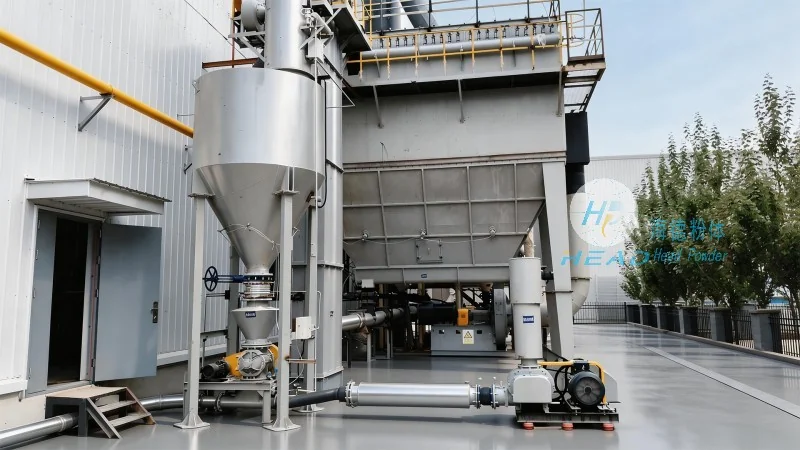
The arsenic trioxide pneumatic conveying system is a sophisticated piece of equipment designed to transport arsenic trioxide—a toxic and hazardous chemical—from a source to a destination through an air-driven system. This system replaces traditional methods like manual handling or mechanical conveyors, offering a safer, more efficient, and environmentally friendly alternative. The system typically consists of several key components, including a feeder, a blower, a conveying pipeline, a separator, and a collection hopper. Each component plays a crucial role in the overall operation, ensuring the material is transported with minimal loss and maximum safety.
Structural Components and Their Functions
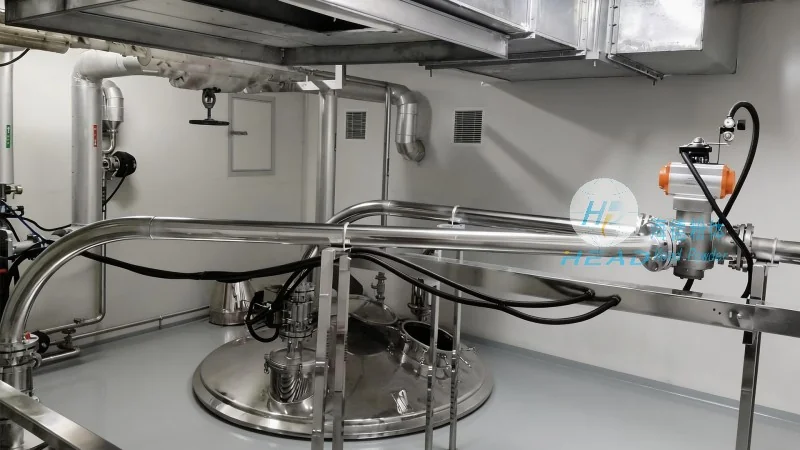
The arsenic trioxide pneumatic conveying system’s structure is engineered to handle the unique properties of arsenic trioxide, such as its fine particle size and chemical reactivity. The main components and their functions are as follows:
- Feeder (or Hopper): The feeder is the initial component where arsenic trioxide is stored and prepared for transport. It is designed to control the flow rate of the material, ensuring a consistent and controlled feed into the conveying system. The feeder may include features like a rotary valve or a screw feeder to regulate the material discharge, preventing blockages and maintaining a steady flow.
- Blower (or Fan): The blower is the heart of the pneumatic conveying system, responsible for generating the air pressure and flow necessary to move the material through the pipeline. It provides the motive force that propels the material and air mixture along the conveying line. The choice of blower type—such as a centrifugal or positive displacement blower—depends on the system’s requirements, including the material’s density, particle size, and the desired conveying distance.
- Conveying Pipeline: The pipeline is the main channel through which the material and air are transported. It is typically made of materials resistant to corrosion and abrasion, such as stainless steel or polyethylene, to withstand the chemical properties of arsenic trioxide and the friction from the particles. The pipeline may include bends, elbows, and other fittings to direct the flow to the desired destination. The design of the pipeline, including its diameter and length, is critical to maintaining the system’s efficiency and preventing pressure drops.
- Separator (or Cyclone): The separator is a critical component that separates the material from the air after it reaches the destination. As the air and material mixture enters the separator, the centrifugal force causes the heavier material particles to be separated from the air and fall into a collection hopper. The air, now relatively clean, is then discharged to the atmosphere or recirculated back to the blower, depending on the system’s design. The separator is designed to maximize the recovery of the material while minimizing air loss.
- Collection Hopper: The collection hopper is where the separated arsenic trioxide is stored after it exits the separator. It is typically made of a material compatible with the chemical properties of arsenic trioxide and is equipped with a discharge valve to allow the material to be transferred to the next processing step. The hopper may also include features like a level indicator to monitor the material level and a vent to release any trapped air.
Operational Principles and Working Process
The operation of the arsenic trioxide pneumatic conveying system follows a sequential process that ensures the material is transported efficiently and safely. The process begins with the material being fed from the hopper into the feeder. The feeder then controls the flow rate of the material, which is then introduced into the conveying pipeline along with the air from the blower. The blower provides the necessary pressure and flow to move the material through the pipeline. As the material and air mixture travels through the pipeline, it reaches the destination and enters the separator. In the separator, the centrifugal force separates the material from the air, and the material falls into the collection hopper. The air, now free of material particles, is then discharged or recirculated. The entire process is controlled by a system of valves, sensors, and controls that monitor the flow rate, pressure, and material level, ensuring the system operates within safe and efficient parameters.
Key Features and Advantages of the System
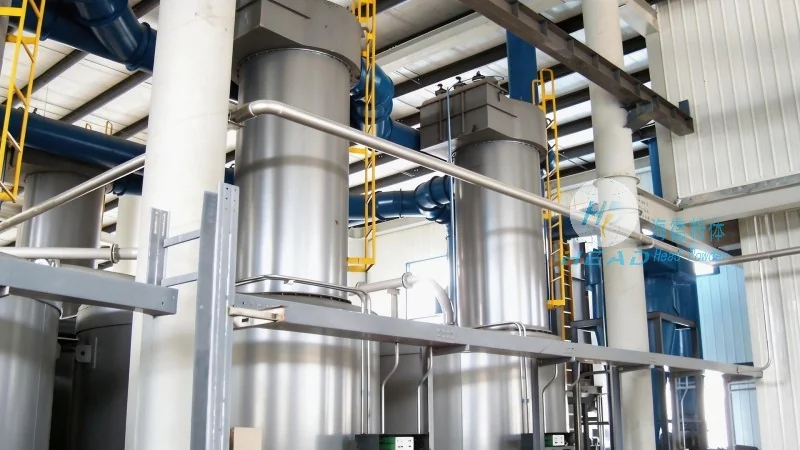
The arsenic trioxide pneumatic conveying system offers several key features and advantages that make it an ideal choice for handling this hazardous material. These include:
- High Efficiency and Low Loss: The system minimizes material loss during transport, as the separator efficiently recovers the material from the air stream. This ensures that the material is fully utilized and reduces waste.
- Safe and Environmentally Friendly: By eliminating manual handling and mechanical contact with the material, the system reduces the risk of exposure to arsenic trioxide, which is toxic and can cause health hazards. The system also minimizes dust emissions, contributing to a cleaner and safer working environment.
- Flexible and Scalable: The system can be customized to meet the specific requirements of different applications, including varying material flow rates, conveying distances, and material properties. It can be scaled up or down to accommodate different production needs.
- Low Maintenance and Long Service Life: The components of the system are designed to withstand the harsh conditions of handling arsenic trioxide, with materials that resist corrosion and abrasion. This results in lower maintenance costs and a longer service life for the equipment.
- Energy Efficient: The system is designed to operate with minimal energy consumption, using the blower to provide the necessary air pressure and flow. The efficient design of the pipeline and separator reduces energy losses, making the system cost-effective to operate.
Application and Industrial Use
The arsenic trioxide pneumatic conveying system is widely used in various industrial applications where arsenic trioxide is processed or handled. These include pharmaceutical manufacturing, chemical production, and mining operations. In pharmaceutical manufacturing, the system is used to transport arsenic trioxide to the production line for the manufacturing of drugs, ensuring a safe and efficient supply of the raw material. In chemical production, the system is used to move arsenic trioxide between different processing stages, such as from a reactor to a storage tank. In mining operations, the system is used to transport arsenic trioxide from a mine to a processing facility, where it is further processed into other products. The system’s ability to handle the material safely and efficiently makes it an essential component in these industries.




