Shandong HeadPowder Engineering Co., Ltd., a leading manufacturer in the field of industrial material handling, specializes in the design, development, and supply of advanced pneumatic conveying systems tailored for the glass industry. The company, commonly known as HeadPowder, is headquartered in Shandong, China, and has built a strong reputation for delivering reliable and efficient solutions that meet the stringent requirements of glass production facilities worldwide.
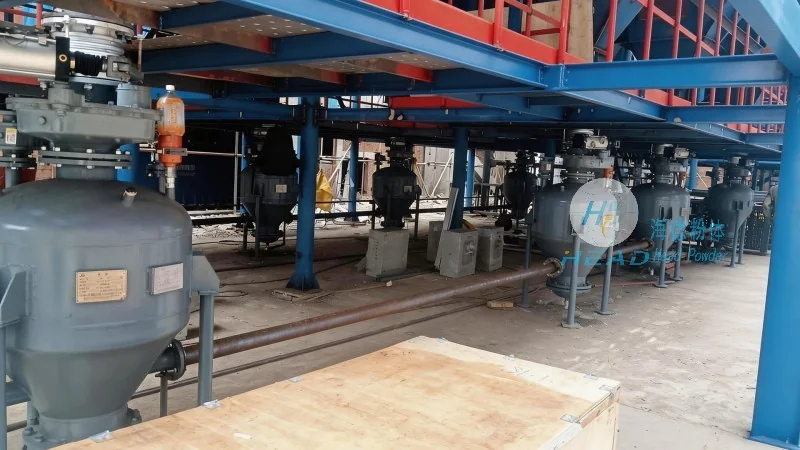
Pneumatic conveying systems are essential components in modern glass manufacturing processes, enabling the safe and effective transport of raw materials such as sand, soda ash, limestone, and other additives from storage silos to processing lines. These systems utilize air or gas as the conveying medium, eliminating the need for mechanical components like belts or buckets, which can introduce contamination or maintenance challenges. The HeadPowder team has extensive expertise in customizing pneumatic conveying solutions to suit diverse glass production scales and operational conditions.
Key Components of Pneumatic Conveying Systems for Glass Raw Materials
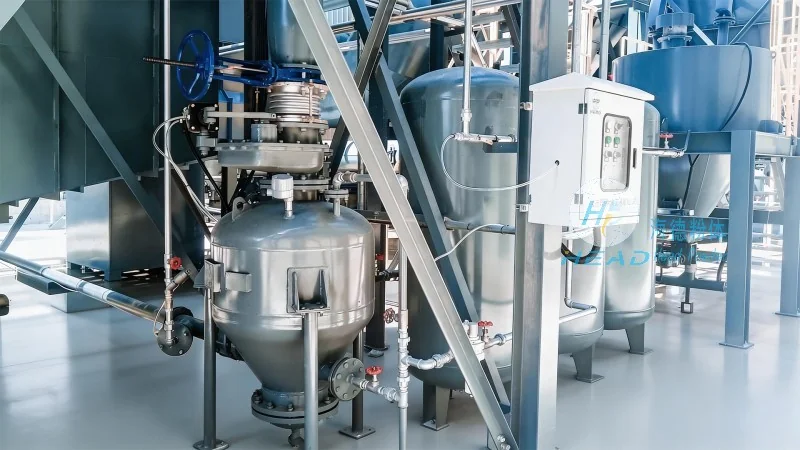
The pneumatic conveying system for glass raw materials typically consists of several critical components that work in concert to ensure smooth material flow. The primary elements include a hopper or storage silo, a feeder (often a rotary valve or screw feeder), a conveying line (usually made of stainless steel or other corrosion-resistant materials), a venturi or pressure vessel, and a dust collector or filter system. Each component plays a vital role in maintaining the integrity and efficiency of the conveying process.
The hopper or storage silo serves as the initial storage point for the glass raw materials. It is designed to hold large quantities of material and features a discharge port that connects to the feeder. The feeder, which may be a rotary valve or a screw feeder, regulates the flow of material from the hopper into the conveying line. This component is crucial for controlling the material feed rate, preventing overfilling, and ensuring a consistent flow into the system.
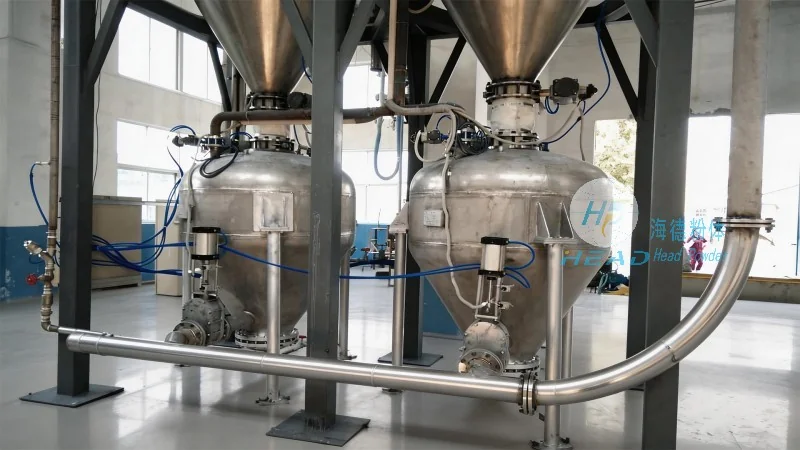
The conveying line is the central pathway through which the glass raw materials are transported. Constructed from high-quality stainless steel or other corrosion-resistant materials, the line is designed to withstand the abrasive nature of glass powders and prevent material buildup or clogging. The line may include bends, elbows, or other fittings that direct the material to the processing equipment. The design of the conveying line, including its diameter and length, is carefully calculated to optimize the conveying velocity and pressure required for efficient material transport.
The venturi or pressure vessel is a critical component that generates the necessary pressure or vacuum to move the material through the conveying line. In positive pressure systems, a blower or compressor provides the air pressure, while in negative pressure systems, a vacuum pump creates the suction. The venturi, a conical tube that narrows and then widens, accelerates the air flow, creating a low-pressure zone that draws the material particles into the air stream. This design ensures that the material is entrained and transported efficiently without excessive energy consumption.
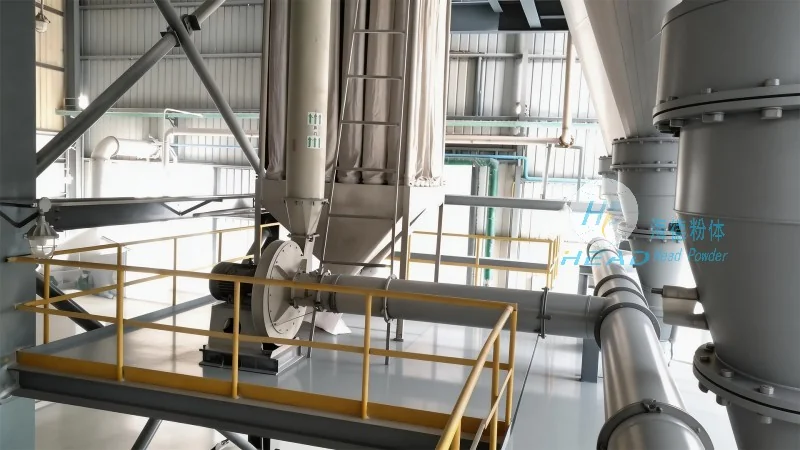
The dust collector or filter system is essential for maintaining air quality and complying with environmental regulations. As the material is conveyed, fine particles may be released into the air, which can cause respiratory issues or environmental contamination. The dust collector captures these particles, separating them from the air stream and returning them to the conveying line or storage silo. This component is typically equipped with high-efficiency particulate air (HEPA) filters or other advanced filtration technologies to ensure that the exhaust air meets regulatory standards.
Structural Principles and Operational Efficiency
The structural principles of the pneumatic conveying system for glass raw materials are based on the principles of fluid dynamics and material handling. The system operates by creating a pressure differential between the inlet and outlet of the conveying line, which drives the material flow. The key to efficient operation lies in maintaining a consistent air velocity and pressure throughout the system. This requires careful design of the components, including the feeder, conveying line, and venturi, to ensure that the material is entrained at the optimal velocity.
HeadPowder engineers employ advanced computational fluid dynamics (CFD) simulations to model the behavior of the glass raw materials in the conveying system. These simulations help optimize the design of the conveying line, venturi, and other components to minimize pressure losses and maximize material throughput. By analyzing the flow patterns and particle trajectories, engineers can identify potential areas of clogging or inefficiency and implement design modifications to improve overall system performance.
The operational efficiency of the pneumatic conveying system is further enhanced by the use of intelligent control systems. These systems monitor key parameters such as pressure, flow rate, and temperature in real-time, allowing for automatic adjustments to maintain optimal performance. For example, if the material feed rate increases, the control system can automatically adjust the air pressure or flow rate to prevent overloading the system. This not only improves efficiency but also reduces the risk of equipment failure or material spillage.
The durability and reliability of the HeadPowder pneumatic conveying systems are ensured through the use of high-quality materials and robust construction. The conveying lines are made from stainless steel or other corrosion-resistant materials, which are resistant to the abrasive nature of glass powders and prevent material buildup. The components are designed to withstand the high pressures and temperatures associated with glass production, ensuring long service life and minimal maintenance requirements.
Customization and Application in Glass Manufacturing
HeadPowder understands that each glass manufacturing facility has unique requirements, and therefore, offers customized pneumatic conveying solutions tailored to specific production needs. The company works closely with clients to assess their material handling challenges and design a system that meets their operational and budgetary constraints. Customization options may include different hopper sizes, feeder types, conveying line configurations, and control systems.
The pneumatic conveying system is widely used in various stages of glass production, including raw material feeding, batch preparation, and finishing processes. In raw material feeding, the system efficiently transports sand, soda ash, and limestone from storage silos to the batch mixers. In batch preparation, the system ensures that the raw materials are mixed in the correct proportions, which is critical for achieving the desired glass composition and properties. In finishing processes, the system may be used to transport finished glass products or waste materials, further enhancing the overall efficiency of the production line.




