HeadPowder, a leading manufacturer based in Shandong, China, specializes in the design and production of advanced pneumatic conveying systems for various industrial applications. This article provides an overview of the PVC pellet pneumatic conveying equipment, focusing on its structural design and operational principles to help users understand its functionality and benefits.
PVC Pellet Pneumatic Conveying Equipment: An Overview
PVC pellet pneumatic conveying equipment is a critical component in material handling processes, particularly for transporting PVC pellets efficiently and safely. The system utilizes air as the conveying medium to move the pellets from one location to another, eliminating the need for mechanical components like belts or screws. This method not only reduces maintenance costs but also minimizes product contamination, making it ideal for applications where hygiene and product integrity are paramount.
Structural Components of the Pneumatic Conveying System
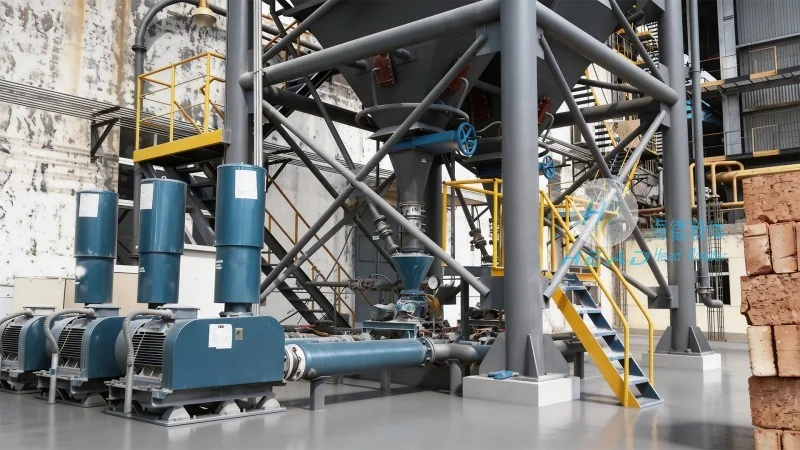
The PVC pellet pneumatic conveying equipment consists of several key components that work in tandem to ensure smooth operation. The main parts include the hopper, which serves as the storage and feeding unit for the PVC pellets; the air compressor, responsible for generating the necessary air pressure; the conveying line, which transports the pellets through the system; and the discharge unit, where the material is released at the destination. Each component is designed to handle the specific characteristics of PVC pellets, such as their size, density, and flowability, ensuring optimal performance.
Working Principle: How the System Operates
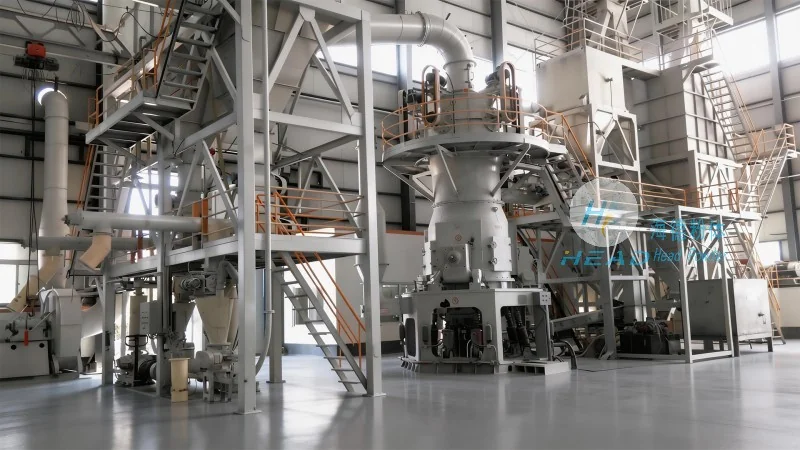
The operation of the PVC pellet pneumatic conveying equipment is based on the principle of air flow and pressure differentials. When the air compressor starts, it generates high-pressure air that is introduced into the hopper. The air flow creates a negative pressure in the conveying line, drawing the PVC pellets into the system. The pellets are then carried along the line by the moving air, reaching the discharge point. The system can operate in both positive and negative pressure modes, depending on the application requirements. The positive pressure mode is used for short-distance conveying, while the negative pressure mode is suitable for longer distances or when the material needs to be transported from a higher to a lower elevation.
Advantages of Using PVC Pellet Pneumatic Conveying Equipment
Implementing a pneumatic conveying system for PVC pellets offers numerous advantages over traditional mechanical conveying methods. Firstly, it provides a clean and hygienic environment, as there are no moving parts that come into direct contact with the material. This is particularly important in industries like food processing or pharmaceuticals where product contamination must be avoided. Secondly, the system is highly efficient, with minimal energy consumption compared to other methods. Additionally, it reduces labor costs by automating the material handling process, allowing for continuous operation without the need for frequent maintenance or adjustments.
Applications and Industries
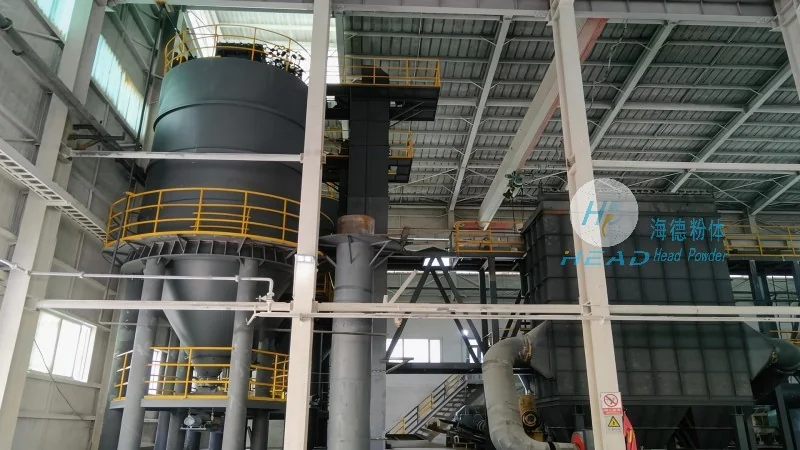
PVC pellet pneumatic conveying equipment is widely used in various industries, including plastic manufacturing, chemical processing, and food processing. In the plastic industry, it is commonly used to transport PVC pellets from storage silos to processing machines, ensuring a consistent and uninterrupted supply of raw material. In chemical processing, the system is employed to move PVC pellets through mixing and extrusion processes, maintaining the quality and consistency of the final product. The equipment is also utilized in food processing facilities to handle PVC-based food packaging materials, ensuring compliance with food safety regulations.
Maintenance and Operational Tips
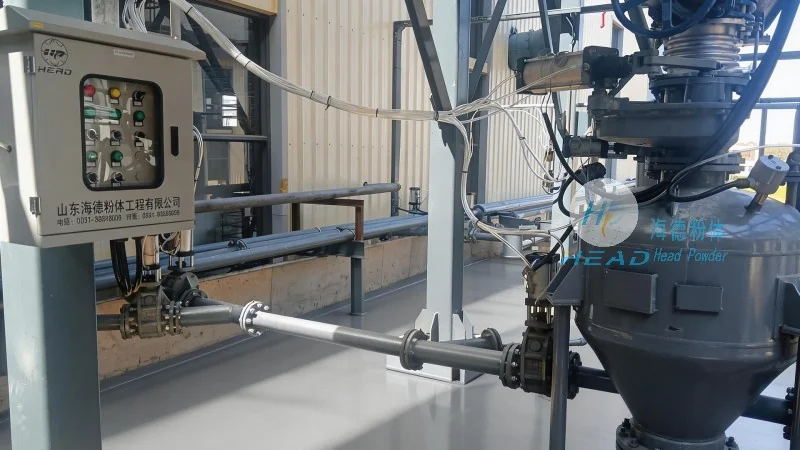
To ensure the longevity and efficiency of the PVC pellet pneumatic conveying equipment, regular maintenance is essential. The air compressor should be checked regularly for proper functioning, and the conveying line should be inspected for any blockages or leaks. The hopper and discharge unit should also be cleaned periodically to prevent the accumulation of material, which can affect the system's performance. Additionally, it is recommended to use high-quality air filters to prevent dust and debris from entering the system, which can damage the components and reduce the conveying efficiency.
Conclusion
PVC pellet pneumatic conveying equipment is a reliable and efficient solution for transporting PVC pellets in various industrial applications. With its advanced structural design and operational principles, the system offers numerous benefits, including reduced maintenance costs, improved product quality, and enhanced operational efficiency. As a leading manufacturer in Shandong, China, HeadPowder continues to innovate and provide high-quality pneumatic conveying systems that meet the evolving needs of the industry.




