Polyolefins, including polyethylene and polypropylene, are widely used in various industrial sectors due to their excellent properties such as chemical resistance, low density, and good processability. The efficient and reliable transportation of these materials from storage to processing units is crucial for maintaining production efficiency and product quality. Pneumatic conveying equipment has emerged as a key solution for handling polyolefin powders and granules, offering advantages over traditional mechanical conveying methods. This article provides an overview of polyolefin pneumatic conveying equipment, focusing on its structural components and operational principles.
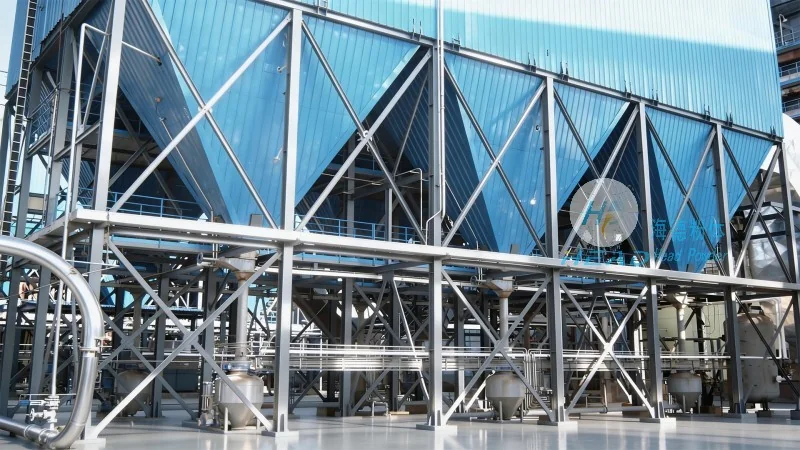
Company Profile: Shandong HeadPowder Engineering Co., Ltd.
Shandong HeadPowder Engineering Co., Ltd., commonly known as headpowder, is a leading manufacturer specializing in the design, development, and supply of pneumatic conveying systems. With a strong presence in China, the company is headquartered in Shandong province, leveraging local industrial resources and expertise to deliver high-quality solutions. Headpowder's commitment to innovation and customer satisfaction has established it as a trusted partner in the polyolefin processing industry, providing tailored equipment that meets the specific demands of clients.
Structural Components of Polyolefin Pneumatic Conveying Equipment
The polyolefin pneumatic conveying system typically consists of several key components that work in concert to ensure efficient material transport. The primary components include:
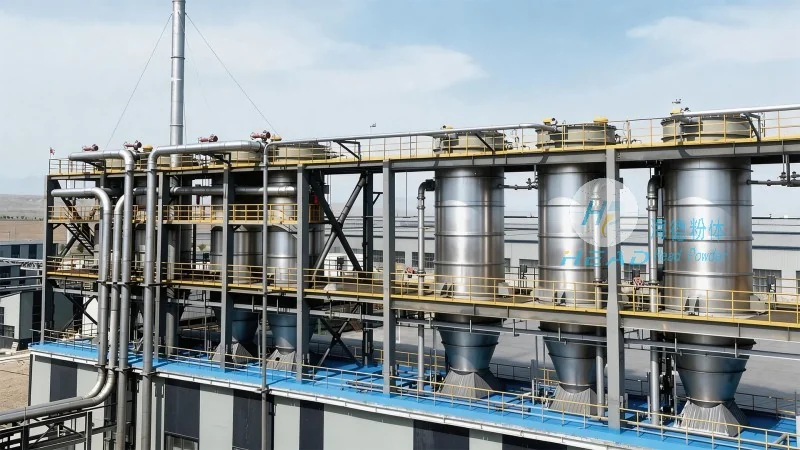
- Feeding System: This component is responsible for introducing the polyolefin material into the conveying line. It may include hoppers, feeders (such as rotary valves or screw feeders), and pre-separation devices to prevent blockages and ensure a consistent flow rate.
- Pneumatic Conveying Line: The main pipeline through which the polyolefin particles are transported. The line is usually made of corrosion-resistant materials like stainless steel or special plastics to accommodate the chemical properties of polyolefins and prevent material degradation.
- Air Supply System: This system generates the necessary airflow to move the material. It typically includes a blower or compressor, air filters, and pressure regulators to maintain stable pressure and flow rates. The choice of air supply type (positive pressure or negative pressure) depends on the specific conveying requirements and system design.
- Control Unit: The control system monitors and regulates the operation of the conveying equipment. It may include sensors for flow rate, pressure, and temperature, as well as programmable logic controllers (PLCs) to automate the process and ensure safety and efficiency.
- Receiving System: The component that collects the conveyed polyolefin material at the destination point. It may include silos, storage tanks, or processing equipment, designed to handle the material without causing contamination or loss.
Working Principles of Polyolefin Pneumatic Conveying
Pneumatic conveying operates by using air or gas to transport solid particles through a pipeline. The process can be categorized into two main types: aspiration (negative pressure) conveying and pressure (positive pressure) conveying. The choice of method depends on factors such as the distance of transport, the quantity of material, and the characteristics of the polyolefin being handled.
In aspiration conveying, the system creates a negative pressure at the receiving end, drawing the material from the source into the pipeline. The air flow then carries the particles to the destination, where the material is separated from the air and collected. This method is suitable for short to medium distances and low to medium material loads.
In pressure conveying, the system uses a positive pressure at the source end, pushing the material through the pipeline. The air flow is introduced at the discharge end, and the material is accelerated and transported to the receiving point. Pressure conveying is ideal for longer distances and higher material volumes, as it offers greater control over the flow rate and can handle more abrasive or dense materials.
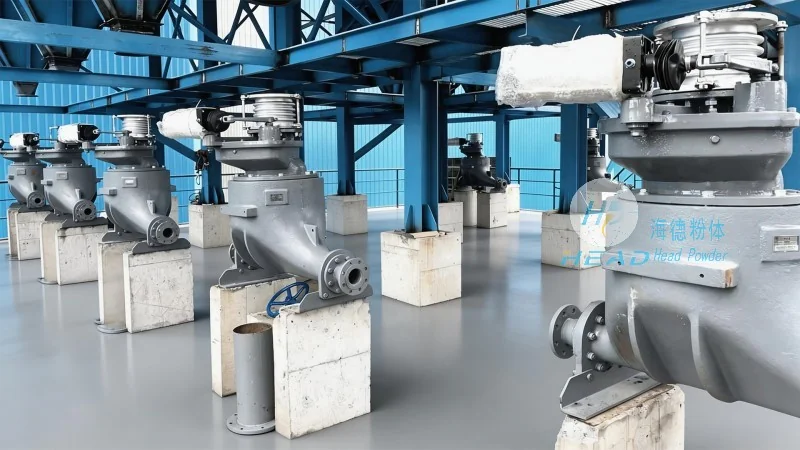
Technical Advantages of Polyolefin Pneumatic Conveying Equipment
Pneumatic conveying systems for polyolefins offer several advantages over traditional mechanical conveying methods. These include:
- Reduced Downtime and Maintenance: The absence of moving parts in the conveying line minimizes the risk of mechanical failure and reduces maintenance requirements. This leads to lower operational costs and increased system reliability.
- Prevention of Material Contamination: Pneumatic conveying can be designed to maintain a closed system, preventing exposure to contaminants such as moisture, dust, or other foreign substances. This is particularly important for polyolefins, which are sensitive to moisture and can degrade if not handled properly.
- Improved Process Efficiency: The ability to transport materials quickly and efficiently over long distances enhances overall production throughput. The system can be integrated with other processing equipment, such as mixers or extruders, to streamline the production process.
- Flexibility in Application: Pneumatic conveying systems can be customized to handle a wide range of polyolefin materials, including powders, granules, and flakes. The system design can be adjusted to accommodate varying particle sizes, densities, and flow rates, making it suitable for diverse industrial applications.
Conclusion
Polyolefin pneumatic conveying equipment, as provided by Shandong HeadPowder Engineering Co., Ltd., represents a sophisticated solution for the efficient and reliable handling of polyolefin materials. By understanding the structural components and operational principles of these systems, industries can optimize their material transport processes, enhance productivity, and ensure product quality. With its commitment to innovation and customer-centric solutions, headpowder continues to play a vital role in advancing the polyolefin processing industry, delivering equipment that meets the evolving needs of modern manufacturing.




