For industries dealing with lithium cobalt oxide (LCO) materials, efficient and reliable material handling is crucial. Pneumatic conveying systems offer a solution that minimizes contamination, ensures product integrity, and enhances operational safety. This article provides an overview of lithium cobalt oxide pneumatic conveying equipment, focusing on its structural design and operational principles.
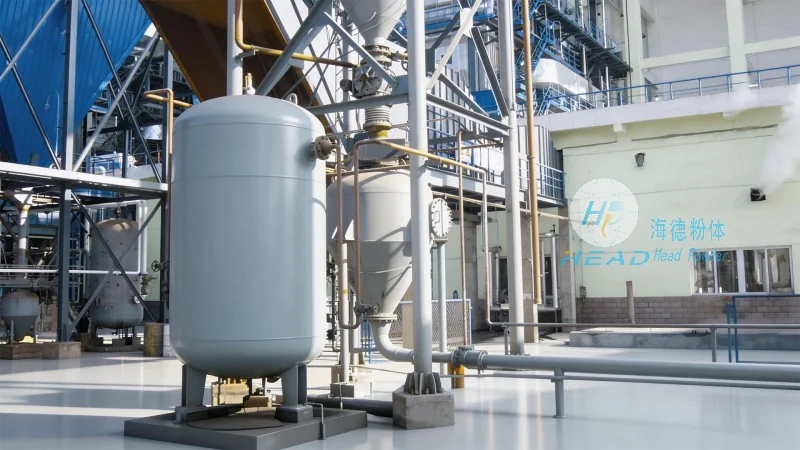
Overview of Lithium Cobalt Oxide Pneumatic Conveying Systems
Lithium cobalt oxide is a critical component in lithium-ion batteries, known for its high energy density and thermal stability. The handling of LCO powder requires specialized equipment to prevent agglomeration, oxidation, and dust exposure. Pneumatic conveying systems are widely adopted in the battery materials sector due to their ability to transport fine powders over long distances with minimal loss and contamination. These systems utilize air or other gases to move the material through a network of pipes, ensuring a clean and controlled process.
Key Components of Pneumatic Conveying Equipment
The lithium cobalt oxide pneumatic conveying system typically consists of several key components that work in tandem to achieve efficient material transport. The primary components include the material hopper, feeders, conveying lines, separation devices, and dust collection systems. Each component plays a vital role in the overall operation, ensuring that the LCO powder is handled safely and effectively.
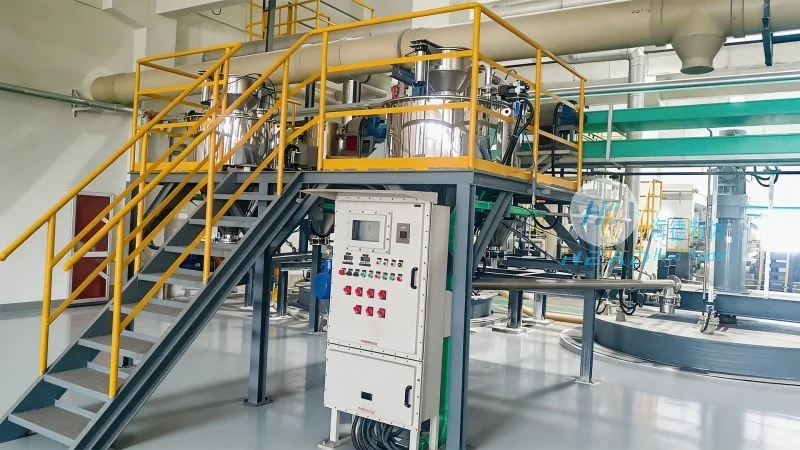
Material Hopper and Feeder System
The material hopper is the initial storage unit where the lithium cobalt oxide powder is stored before being fed into the conveying system. It is designed to maintain the material's quality by preventing exposure to air and moisture. The feeder, often a rotary valve or a screw feeder, regulates the flow of material from the hopper into the conveying line. This component ensures a consistent and controlled feed rate, which is essential for maintaining system efficiency and preventing blockages.
Conveying Lines and Airflow Management
The conveying lines are made of materials that are compatible with lithium cobalt oxide, such as stainless steel or PTFE-coated pipes, to avoid chemical reactions or contamination. The system uses positive or negative pressure to move the material through the pipes. In positive pressure systems, air is blown into the conveying line, pushing the material forward. In negative pressure systems, air is drawn out, creating a vacuum that pulls the material. The design of the conveying lines, including bends and elbows, is optimized to minimize pressure drop and prevent material deposition.
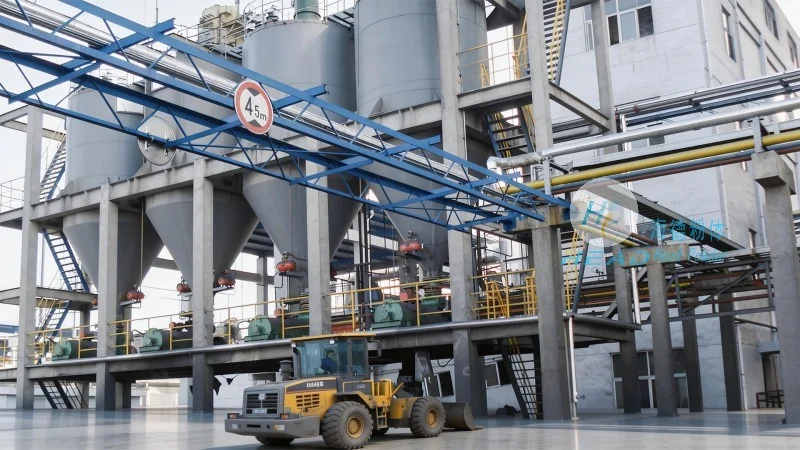
Separation and Collection Devices
As the material travels through the conveying lines, it may encounter changes in direction or pressure that cause it to separate from the air stream. Separation devices, such as cyclones or filters, are used to separate the LCO powder from the air. These devices ensure that the material is collected efficiently and that the air is cleaned before being released or recirculated. The collection system typically includes a hopper or a bag filter to store the collected powder, preventing dust emissions and maintaining environmental compliance.
Working Principles of Pneumatic Conveying
The operational principle of a pneumatic conveying system involves the creation of a gas-solid flow within the conveying line. The air velocity is maintained above the minimum fluidization velocity to keep the material suspended and transported. The system's performance is influenced by factors such as the particle size, density, and moisture content of the lithium cobalt oxide powder, as well as the air pressure and flow rate. Proper design and maintenance of the system are essential to ensure consistent performance and to prevent system failures.
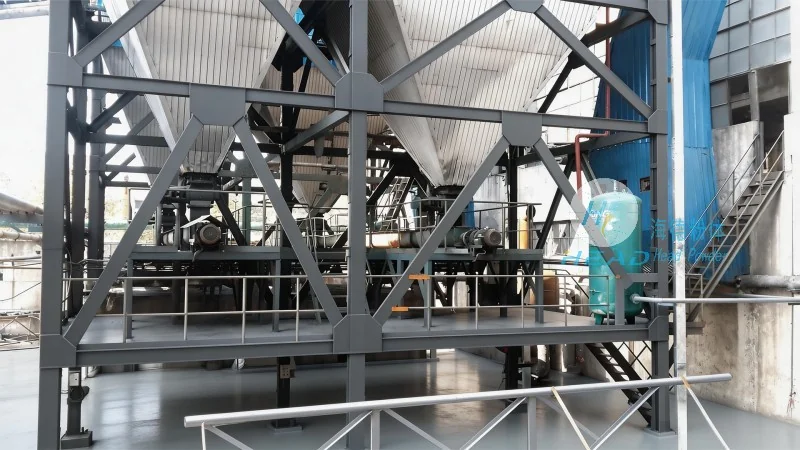
Benefits of Using Pneumatic Conveying for Lithium Cobalt Oxide
Implementing a pneumatic conveying system for lithium cobalt oxide offers several advantages. These include reduced material handling time, improved product quality by minimizing contamination, enhanced safety by eliminating manual handling of powders, and increased operational flexibility. The system also allows for the integration of automation and control systems, enabling real-time monitoring and adjustment of the conveying process. These benefits make pneumatic conveying an attractive solution for manufacturers in the battery materials industry.
Conclusion
Lithium cobalt oxide pneumatic conveying equipment is a critical component in the production and handling of lithium-ion battery materials. Its structural design and operational principles are tailored to meet the specific requirements of LCO powder, ensuring efficient, safe, and reliable material transport. By understanding the key components and working principles of these systems, manufacturers can optimize their operations and enhance productivity. The adoption of such equipment is essential for meeting the growing demand for lithium cobalt oxide in the battery industry.




