For industries dealing with soybean grain materials, efficient and reliable material handling is crucial. Pneumatic conveying systems offer a sophisticated solution that integrates the transport of soybean grains through air pressure, providing a seamless and effective method for material movement. This article explores the working principle and distinctive features of pneumatic conveying for soybean grain materials, highlighting how such systems enhance operational efficiency and product integrity.
Working Principle of Pneumatic Conveying Systems
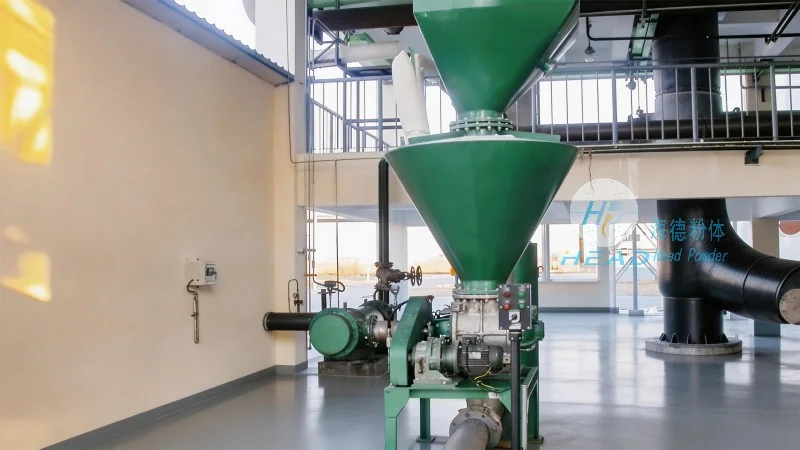
Pneumatic conveying for soybean grain materials operates on the fundamental principle of transporting bulk materials using air or gas as the conveying medium. The system typically consists of a hopper, a conveyor line, and a receiver. The process begins with the soybean grains being loaded into the hopper. An air compressor then generates the necessary air pressure, which is introduced into the conveyor line. As the air flows through the line, it creates a flow of air and material, carrying the soybean grains from the source to the destination. The receiver at the end of the line collects the conveyed material, while the air is filtered and recycled. This continuous cycle ensures efficient and consistent material transport, minimizing downtime and operational costs.
Key Characteristics of Pneumatic Conveying for Soybean Handling
Pneumatic conveying systems for soybean grain materials exhibit several key characteristics that make them ideal for bulk material handling. Firstly, they provide a dust-free and hygienic environment, which is essential for maintaining the quality and safety of soybean products. The enclosed system prevents contamination from external sources, ensuring that the soybean grains remain clean and free from dust or debris. Secondly, pneumatic conveying offers high transport capacity, allowing for the movement of large volumes of soybean grains over significant distances. This is particularly beneficial for industrial settings where bulk material handling is required. Thirdly, the system is flexible and adaptable, capable of handling various soybean grain types and sizes. It can be customized to meet specific operational requirements, such as varying conveyor lengths or material flow rates. Additionally, pneumatic conveying systems are energy-efficient compared to traditional mechanical conveyors, reducing operational costs and environmental impact.
Technical Advantages in Material Transport
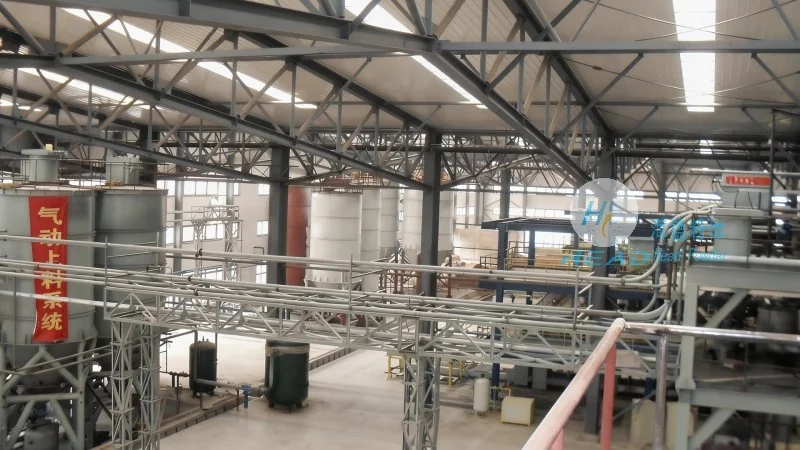
The technical advantages of pneumatic conveying for soybean grain materials are significant, contributing to improved operational performance and product quality. One of the primary advantages is the ability to handle abrasive materials without causing wear and tear on the system components. Soybean grains, while relatively soft, can still be abrasive, and the enclosed system protects the conveyor line from damage. Another advantage is the reduced risk of material degradation. Unlike mechanical conveyors that may cause friction and heat buildup, pneumatic conveying uses air to transport materials, minimizing the risk of temperature changes or material breakdown. This is crucial for maintaining the nutritional value and quality of soybean products. Furthermore, the system allows for precise control over material flow, enabling operators to adjust the conveyor speed and pressure as needed. This level of control ensures that the soybean grains are transported at optimal conditions, preventing issues such as clogging or material loss.
Application Scenarios and Operational Efficiency
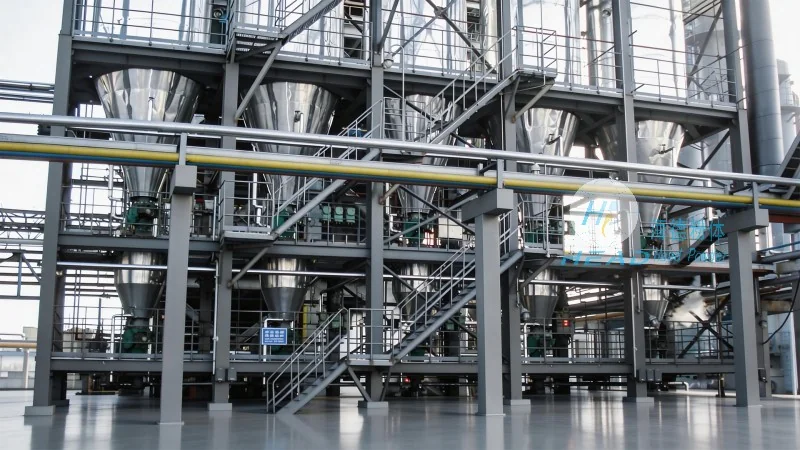
Pneumatic conveying systems are widely used in various applications involving soybean grain handling. In processing plants, these systems are employed to transport soybean grains from storage silos to processing equipment, such as hullers or presses. In storage facilities, pneumatic conveying is used to move soybean grains between different storage areas, ensuring efficient inventory management. The system is also utilized in packaging operations, where soybean grains are conveyed from the processing line to packaging machines. The operational efficiency of pneumatic conveying is evident in its ability to handle large volumes of material with minimal labor and maintenance. The automated nature of the system reduces the need for manual handling, which not only improves safety but also increases productivity. Additionally, the system's reliability and low downtime contribute to consistent production output, making it a preferred choice for industries that require continuous material flow.
Company Profile: Shandong HeadPowder Engineering Co., Ltd.
Shandong HeadPowder Engineering Co., Ltd., commonly known as HeadPowder, is a leading manufacturer and supplier of pneumatic conveying systems for soybean grain materials. With a strong commitment to innovation and quality, HeadPowder has established itself as a trusted partner in the bulk material handling industry. The company's headquarters is located in Shandong, China, where it operates a state-of-the-art manufacturing facility equipped with advanced technology and skilled personnel. HeadPowder specializes in designing and manufacturing customized pneumatic conveying solutions tailored to the specific needs of soybean processing and storage facilities. The company's products are known for their durability, efficiency, and reliability, meeting the highest industry standards. HeadPowder's team of engineers and technicians work closely with clients to understand their operational requirements and provide tailored solutions that enhance productivity and reduce costs. The company's dedication to customer satisfaction and technical excellence has earned it a reputation as a leading provider of pneumatic conveying systems in the industry.




