Understanding the working principle and characteristics of lithium carbonate material pneumatic conveying is crucial for optimizing industrial processes in the lithium industry. This article provides a detailed overview of how pneumatic conveying systems operate when handling lithium carbonate, along with key features that make this technology effective for material transport.
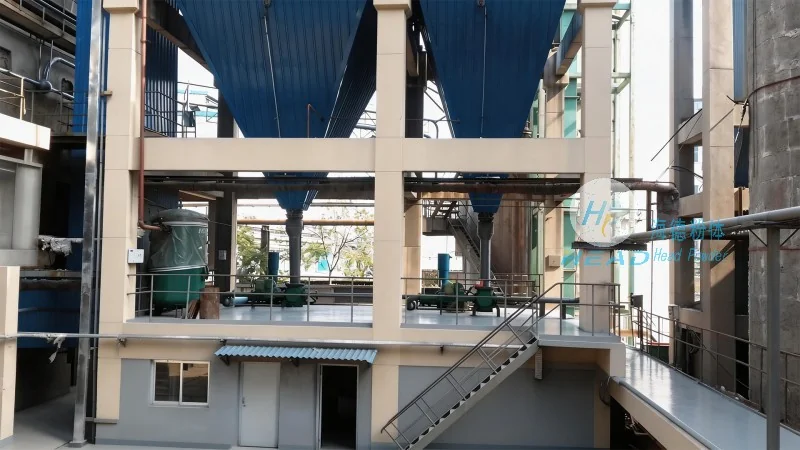
Overview of Pneumatic Conveying Technology
Pneumatic conveying is a method of transporting bulk materials through a pipeline using a gas stream, typically air or other gases. In the context of lithium carbonate, this technology is employed to move the material from one location to another within a processing facility. The process involves creating a pressure differential in the pipeline, which draws the material into the conveying line and propels it to the destination. This method is widely used in the chemical and mining industries due to its ability to handle fine powders like lithium carbonate efficiently.
Working Principle of Lithium Carbonate Pneumatic Conveying
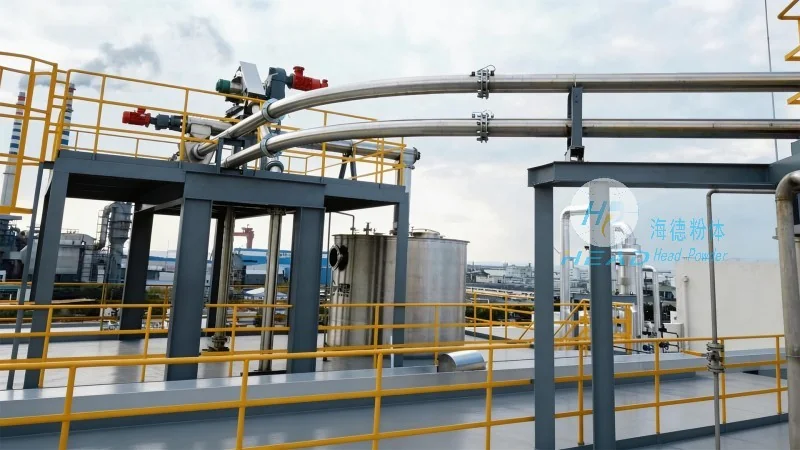
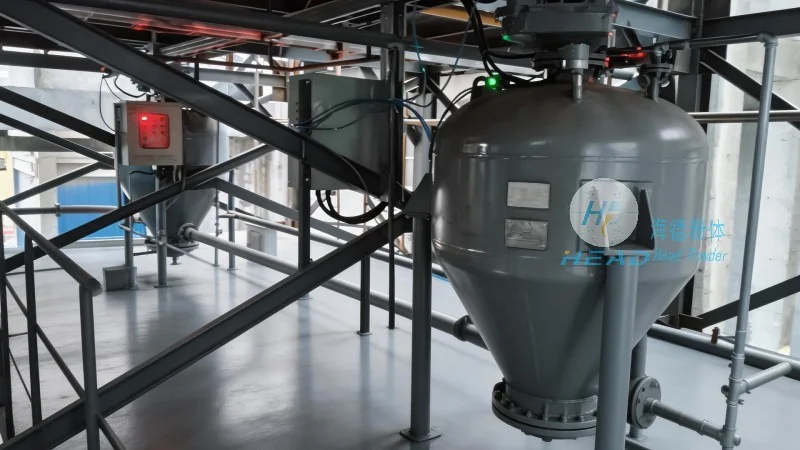
The working principle of lithium carbonate pneumatic conveying systems involves several key steps. First, the lithium carbonate material is fed into a hopper or feeder, where it is then introduced into the conveying line. A fan or blower generates the necessary airflow, creating a pressure difference between the inlet and outlet of the pipeline. As the air flows through the line, it entrains the lithium carbonate particles, forming a slurry-like mixture known as a "conveying stream." The velocity of the air is critical; it must be sufficient to overcome the gravitational and frictional forces acting on the particles to ensure stable transport. The conveying stream travels through the pipeline to the discharge point, where the material is separated from the air, typically through a cyclone or filter system. The separated air is then recycled back into the system, while the lithium carbonate is collected for further processing.
Key Characteristics of Lithium Carbonate Pneumatic Conveying
Several distinct characteristics make pneumatic conveying an attractive option for handling lithium carbonate. One of the primary advantages is its ability to transport materials over long distances without the need for multiple transfer points or intermediate storage. This reduces the risk of material contamination and improves overall process efficiency. Additionally, pneumatic conveying systems are relatively compact and can be integrated into existing industrial layouts, minimizing space requirements. Another important characteristic is the control over material flow rates, which allows for precise dosing and regulation of the lithium carbonate feed. This is particularly beneficial in processes where consistent material quality is essential, such as in the production of lithium-based chemicals or batteries. Safety is also a significant characteristic, as the enclosed pipeline system prevents dust emissions and reduces the risk of dust explosions, which is a common concern with fine powders like lithium carbonate.
Applications and Benefits in Industrial Settings
Lithium carbonate pneumatic conveying systems are widely utilized in various industrial applications, including the production of lithium batteries, pharmaceuticals, and chemical intermediates. The technology's ability to handle fine powders with minimal degradation makes it ideal for processes where particle size and uniformity are critical. For example, in battery manufacturing, lithium carbonate must be transported to mixing and compounding units with minimal agglomeration or loss of material. Pneumatic conveying ensures that the material remains in a consistent state throughout the transport process. The benefits extend beyond material handling efficiency; these systems also contribute to improved workplace safety by eliminating manual handling of powders and reducing exposure to dust. Furthermore, the energy efficiency of modern pneumatic conveying systems, particularly with the use of high-efficiency fans and optimized pipeline designs, makes them a cost-effective solution for long-term material transport needs.
Conclusion and Company Information
In conclusion, lithium carbonate pneumatic conveying is a sophisticated and efficient method for transporting this critical material in industrial settings. The working principle, which relies on air flow and pressure differentials, enables the reliable and safe movement of fine powders over considerable distances. The key characteristics, including long-distance transport capability, compact design, precise flow control, and enhanced safety, make this technology a preferred choice for many applications. As the demand for lithium carbonate continues to grow, especially in the battery and renewable energy sectors, the importance of efficient material handling systems like pneumatic conveying cannot be overstated. Shandong HeadPowder Engineering Co., Ltd., a leading provider in this field, specializes in designing and manufacturing customized pneumatic conveying solutions tailored to the specific needs of lithium processing facilities. With a focus on innovation and quality, HeadPowder ensures that their systems meet the highest standards of performance and safety, supporting the efficient production of lithium-based products. Located in Shandong, China, HeadPowder leverages its expertise to deliver reliable and effective pneumatic conveying systems that enhance the productivity and safety of lithium carbonate processing operations.




