Monosodium glutamate (MSG) is a widely used flavor enhancer in the food industry, and efficient material handling systems are crucial for its production and processing. The material handling system for MSG production involves several key components and processes that ensure smooth and safe operation. This article explores the working principle and notable features of such systems, highlighting how they contribute to the overall efficiency and quality of MSG manufacturing.

Working Principle of the MSG Material Handling System
The MSG material handling system operates through a series of integrated processes designed to manage the flow of raw materials, intermediate products, and finished goods. The system typically begins with the reception of raw materials, such as corn or wheat, which are stored in bulk storage silos. From there, the materials are conveyed to processing units where they undergo hydrolysis and fermentation to produce the glutamic acid precursor. The subsequent steps involve concentration, drying, and packaging, each stage requiring precise material handling to maintain product quality and prevent contamination.
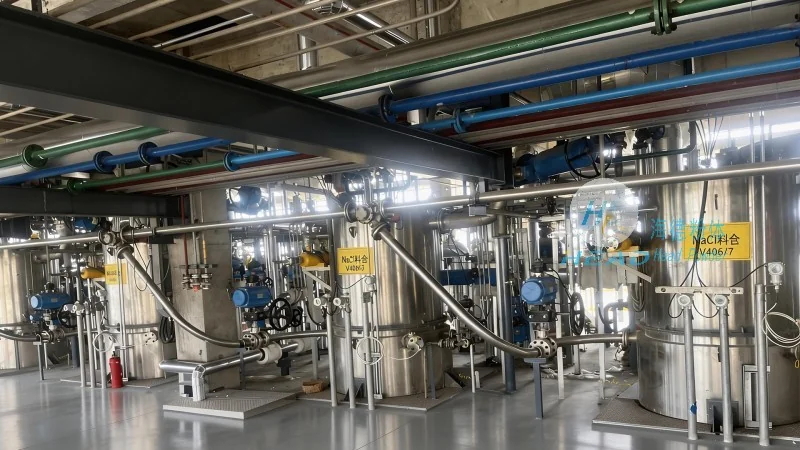
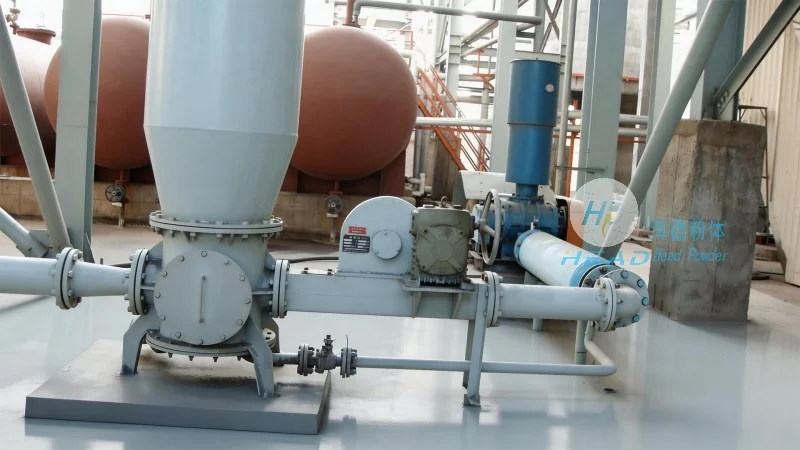
Conveying equipment, including belt conveyors, screw conveyors, and pneumatic systems, plays a vital role in transporting materials through each processing stage. These systems are designed to handle the specific characteristics of MSG, such as its granular or powder form, ensuring minimal breakage and loss. The use of stainless steel components and hygienic design standards is essential to meet food safety regulations and maintain product purity throughout the handling process.
Key Features of the MSG Material Handling System
Several distinctive features make the MSG material handling system effective for industrial applications. Firstly, the system is highly modular, allowing for flexibility in adapting to different production scales and product variations. This modularity enables manufacturers to expand or reconfigure the system as production needs change, optimizing resource utilization and reducing downtime.
Secondly, the system incorporates advanced control technologies, including programmable logic controllers (PLCs) and sensors, to monitor and regulate material flow in real-time. This automation enhances operational efficiency, reduces human error, and ensures consistent product quality. The integration of data collection systems also facilitates process optimization and predictive maintenance, minimizing unexpected breakdowns and improving overall system reliability.
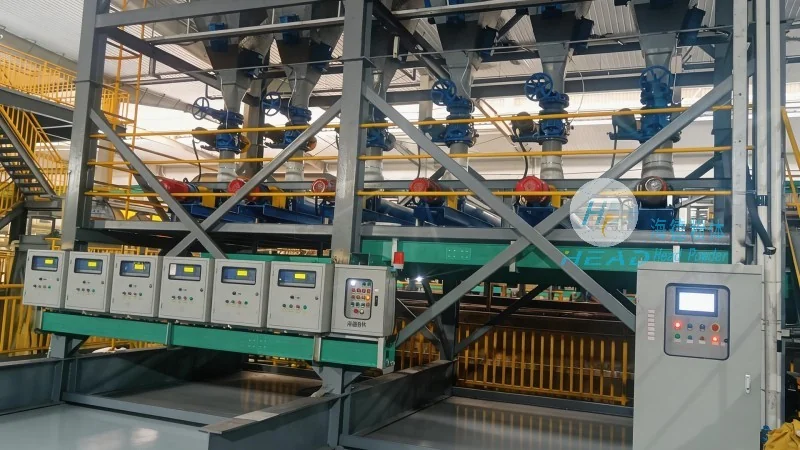
Thirdly, the material handling system emphasizes hygiene and safety, which are critical in food processing environments. All components are constructed from food-grade materials, and the system is designed to prevent cross-contamination and maintain a clean environment. Regular cleaning and sanitization protocols are integrated into the operational procedures, ensuring compliance with regulatory standards and maintaining consumer trust.
Company Overview: Shandong HeadPowder Engineering Co., Ltd.
HeadPowder, a leading engineering company based in Shandong, China, specializes in the design and manufacturing of advanced material handling systems for the food industry. With years of experience in the sector, HeadPowder has developed a reputation for delivering high-quality, customized solutions tailored to the unique needs of its clients. The company's commitment to innovation and adherence to international standards ensures that its systems meet the highest industry benchmarks.
HeadPowder's expertise lies in understanding the specific challenges of MSG production, such as handling hygroscopic materials and maintaining strict hygiene standards. By leveraging cutting-edge technology and a deep understanding of the process, the company provides comprehensive solutions that enhance productivity, reduce operational costs, and improve product safety. The company's team of engineers and technicians work closely with clients to design systems that are not only efficient but also sustainable and environmentally friendly.




