Micropellet powder pneumatic conveying systems are engineered to efficiently transport fine powder materials, such as micropellets, through a network of components designed to ensure reliable and consistent operation. The core of any successful pneumatic conveying system lies in its integrated components, each playing a critical role in the overall performance and efficiency of the process. Understanding these components is essential for optimizing system performance and ensuring long-term reliability.
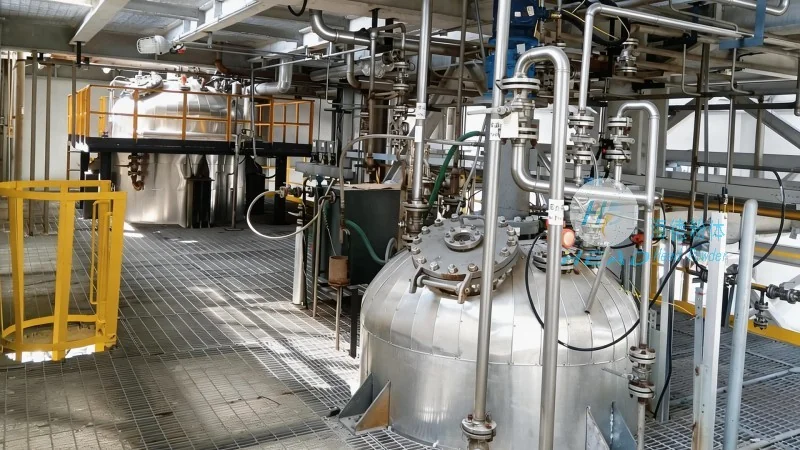
1. Material Feeding Equipment
The feeding equipment is the initial stage of the micropellet powder pneumatic conveying system, responsible for introducing the powder material into the system at a controlled rate. This component ensures that the material is fed uniformly and without blockages, which is crucial for maintaining system stability. For micropellet powders, specialized feeders like rotary valves or screw feeders are often used to handle the fine particles without causing agglomeration or excessive wear. The feeding equipment is designed to match the material's flow characteristics, ensuring a smooth transition into the conveying pipeline.
2. Conveying Pipeline
The conveying pipeline is the backbone of the pneumatic conveying system, responsible for transporting the micropellet powder from the feeding point to the discharge point. The pipeline is typically made of materials such as stainless steel or plastic, chosen for their resistance to corrosion and wear from the fine powder particles. The design of the pipeline, including the diameter and length, is critical to achieving the desired conveying velocity and pressure. For micropellet powders, which are prone to segregation or caking, the pipeline may include features like internal liners or special bends to minimize particle interaction and maintain uniform flow.
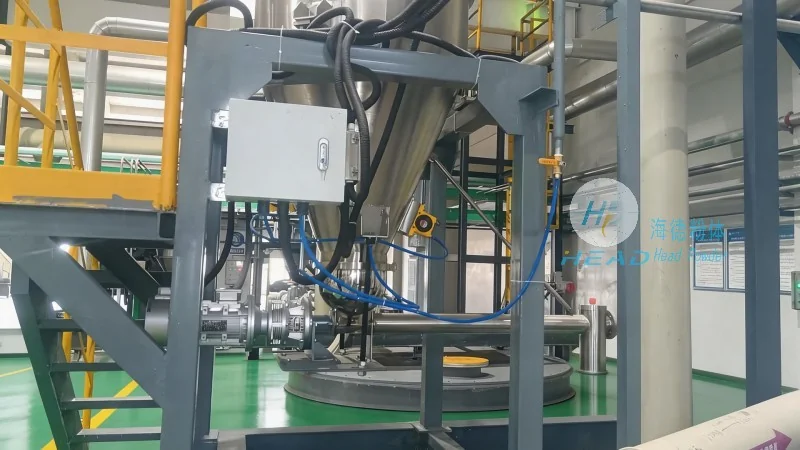
3. Air Supply System
The air supply system provides the necessary pressure and volume of air to move the micropellet powder through the pipeline. This system typically includes a blower or compressor, which generates the required airflow, and a filter system to ensure the air is clean and free of contaminants that could affect the powder quality. The air supply system is designed to maintain consistent pressure and flow rates, which is essential for stable conveying. For high-capacity systems, multiple blowers or variable-speed drives may be used to adjust the airflow based on the material's characteristics and system demands.
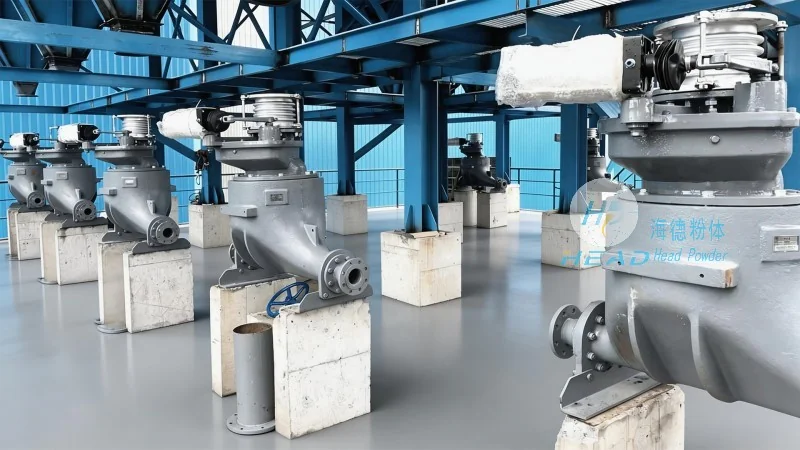
4. Separation and Collection Equipment
At the discharge end of the system, separation and collection equipment is used to separate the micropellet powder from the air stream and collect it in a storage or processing container. This component is critical for preventing dust emissions and maintaining product purity. The separation equipment may include cyclones, bag filters, or electrostatic precipitators, depending on the system's requirements and the properties of the micropellet powder. The design of the separation system is tailored to handle the fine particles, ensuring high efficiency in capturing the powder while minimizing air leakage and energy loss.
5. Control and Monitoring Systems
Modern micropellet powder pneumatic conveying systems incorporate control and monitoring systems to ensure optimal operation and prevent issues such as blockages or pressure fluctuations. These systems typically include sensors for measuring pressure, flow rate, and temperature, as well as control valves and automation equipment to adjust the system parameters in real-time. The control system allows operators to monitor the entire process and make adjustments as needed, improving system efficiency and reducing downtime. For industrial applications, these systems may also include safety features to protect against overpressure or other hazards.




