Shandong HeadPowder Engineering Co., Ltd., a leading manufacturer based in Shandong, China, specializes in the design, development, and production of advanced continuous quantitative material conveying systems. These systems are engineered to deliver precise, consistent material flow for a wide range of industrial applications, ensuring efficiency and reliability in material handling processes. The company's commitment to innovation and quality has positioned it as a trusted partner for businesses seeking to optimize their material transport operations.
Key Components and Their Roles
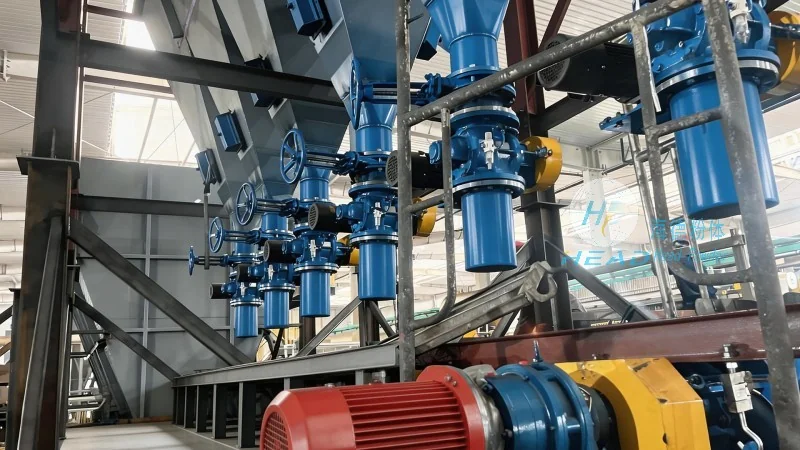
The continuous quantitative material conveying system consists of several critical components that work in harmony to achieve accurate material delivery. At the core of the system is the conveyor mechanism, which may include belt conveyors, screw conveyors, or pneumatic systems, depending on the material type and processing requirements. A key component is the dosing unit, which is responsible for measuring and controlling the quantity of material being conveyed. This unit typically integrates sensors and control algorithms to ensure precise dosing, minimizing waste and maximizing throughput. Additionally, the system may include a control panel that allows operators to monitor and adjust the conveying parameters in real-time, enhancing operational flexibility and adaptability to changing production needs.
Operation Process: Step-by-Step
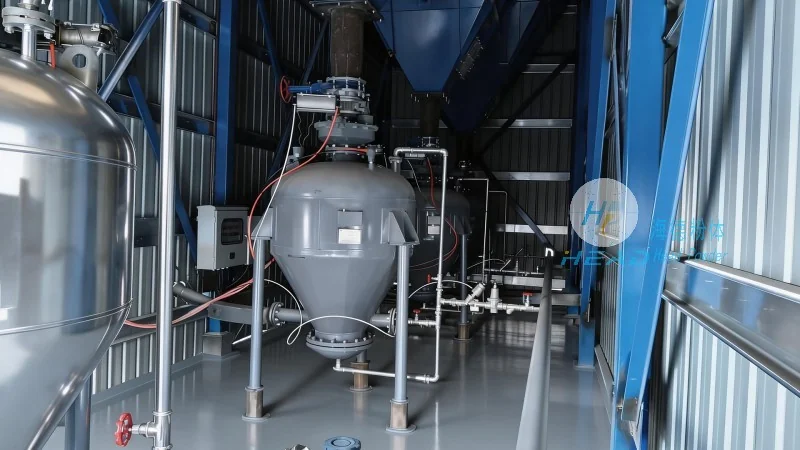
The operation of a continuous quantitative material conveying system follows a systematic process that ensures consistent and reliable material transport. The process begins with the loading of raw materials into the system's hopper or feeding mechanism. The material is then transferred to the conveyor belt or screw, where it moves towards the dosing unit. The dosing unit measures the material flow rate and adjusts the conveyor speed or feed rate to maintain the desired quantity. As the material passes through the system, it may undergo additional processing steps, such as mixing, blending, or packaging, depending on the application. The system's control panel provides real-time feedback on the material flow, allowing operators to intervene if any deviations occur. This closed-loop control system ensures that the output meets the specified quantitative requirements, whether for batch production or continuous operation.
Working Principle: How It Works
The working principle of a continuous quantitative material conveying system is based on the integration of mechanical, electrical, and control technologies to achieve precise material measurement and transport. The system utilizes sensors, such as load cells or flow meters, to detect the weight or volume of material passing through the dosing point. These sensors send signals to the control system, which processes the data and adjusts the conveyor speed or feed mechanism accordingly. The control system may employ feedback loops to maintain a stable material flow rate, compensating for variations in material density, moisture content, or bulk properties. For example, in a screw conveyor system, the rotation speed of the screw is adjusted to control the material discharge rate, ensuring that the output quantity remains constant. In pneumatic conveying systems, the air pressure and flow rate are regulated to transport material through the pipeline, with sensors monitoring the pressure and flow to maintain consistent delivery. The combination of these technologies enables the system to deliver material with high accuracy and repeatability, making it suitable for applications where precise dosing is critical, such as pharmaceuticals, food processing, and chemical manufacturing.
Advantages and Applications
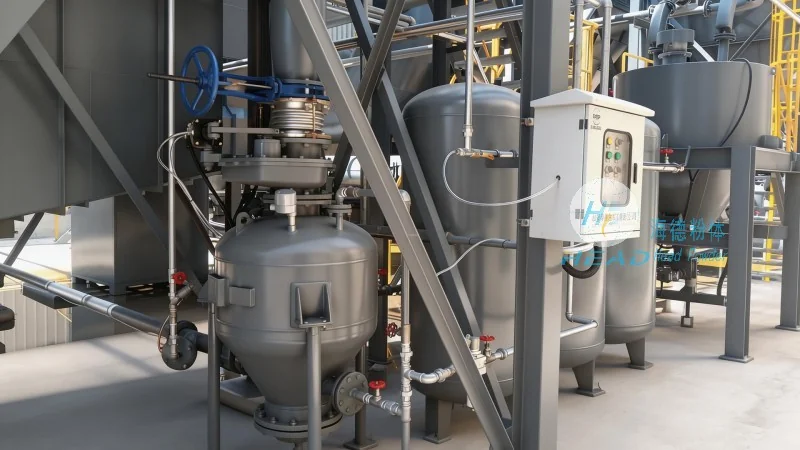
Continuous quantitative material conveying systems offer numerous advantages over traditional batch or manual material handling methods. The primary benefit is the ability to achieve precise and consistent material dosing, which reduces waste and improves product quality. These systems also enhance operational efficiency by automating the material transport process, reducing labor costs and minimizing human error. Additionally, the continuous operation of the system allows for higher throughput compared to intermittent batch processes, leading to increased productivity and reduced production time. The systems are versatile and can be adapted to handle a wide range of materials, including powders, granules, and bulk solids, making them suitable for various industries. Applications include pharmaceutical manufacturing, where accurate dosing of active ingredients is essential; food processing, where consistent quality control is required; chemical production, where precise material handling ensures safety and compliance; and mining and construction, where bulk material transport is critical for project efficiency.




