Wood ash, a byproduct of biomass combustion, is often handled in industrial processes requiring efficient and reliable material transport. The pneumatic conveying system designed for wood ash offers a solution that combines advanced technology with practical application, ensuring safe and effective movement of this material. This article explores the working principle and key features of such systems, highlighting their importance in modern industrial operations.
Working Principle of the Wood Ash Pneumatic Conveying System
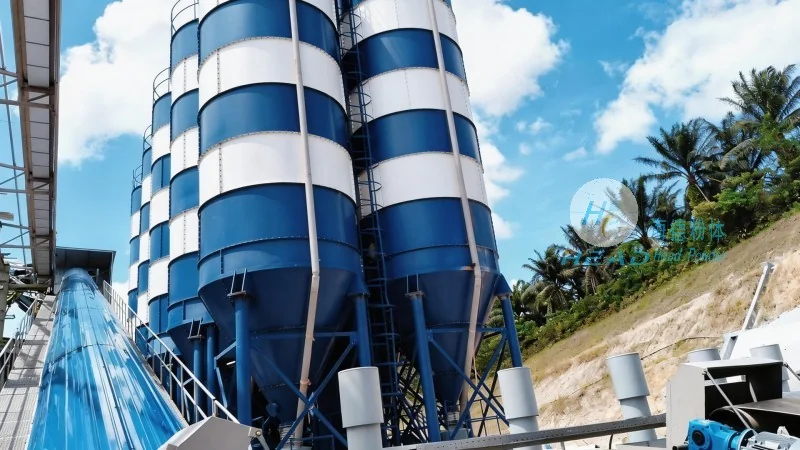
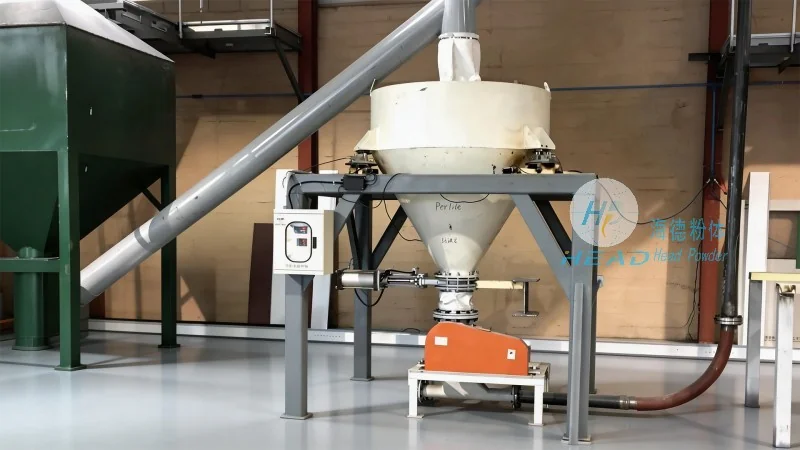
The core of the wood ash pneumatic conveying system lies in its ability to transport dry, fine materials like wood ash through a pressurized or vacuum environment. The system typically operates by using a blower or fan to create airflow that draws or pushes the material through a pipeline. The process involves several key components: a hopper for material storage, a feeder to control the flow rate, a conveying line, and a receiver for the material's final destination. The air velocity within the pipeline is critical, as it must be sufficient to suspend the wood ash particles and prevent blockages. The system can be configured as either a positive pressure system, where air is blown into the line, or a negative pressure (or vacuum) system, where air is drawn out. In either case, the goal is to maintain consistent airflow and particle suspension to ensure smooth transport.
Key Features of the Wood Ash Pneumatic Conveying System
Several distinct features make the wood ash pneumatic conveying system an attractive option for industrial applications. First, it offers a closed system, which helps in controlling dust emissions and maintaining environmental compliance. This is particularly important for wood ash, which can be a source of fine particulate matter. Second, the system is highly flexible in terms of layout, allowing for horizontal, vertical, or even inclined transport paths, making it suitable for complex facility layouts. Third, it provides a continuous and uniform material flow, reducing the need for manual handling and improving process efficiency. Additionally, the system is relatively low maintenance compared to other bulk material handling methods, such as belt conveyors, as it has fewer moving parts exposed to the material. The use of specialized materials for the pipeline and components also ensures durability and resistance to corrosion, which is essential when handling wood ash that may contain acidic components from combustion.
Application and Benefits in Industrial Settings
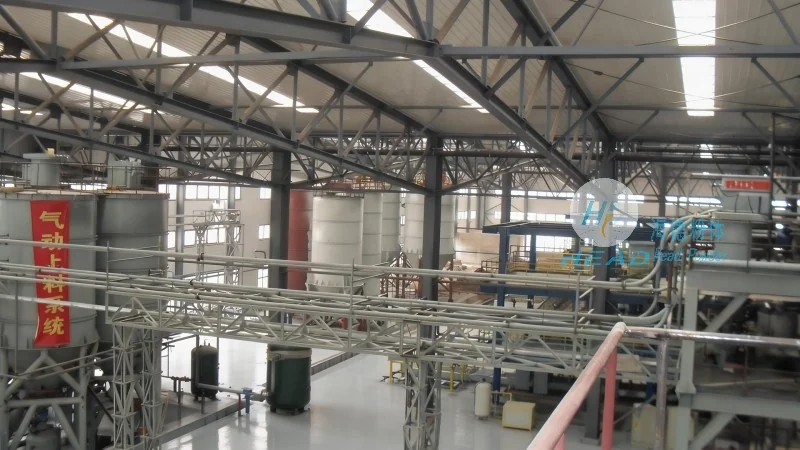
The wood ash pneumatic conveying system is widely used in various industrial sectors, including power generation, biomass energy production, and waste management. In power plants, for example, the system efficiently transports wood ash from the boiler to storage or disposal facilities, ensuring that the process remains uninterrupted. The benefits of using this system in such applications include reduced labor costs, improved safety by minimizing manual handling, and enhanced environmental performance through better dust control. For companies like Shandong HeadPowder Engineering Co., Ltd., which specializes in engineering solutions for material handling, the development and implementation of these systems reflect a commitment to providing reliable and efficient solutions tailored to specific industrial needs.
Conclusion and Company Overview
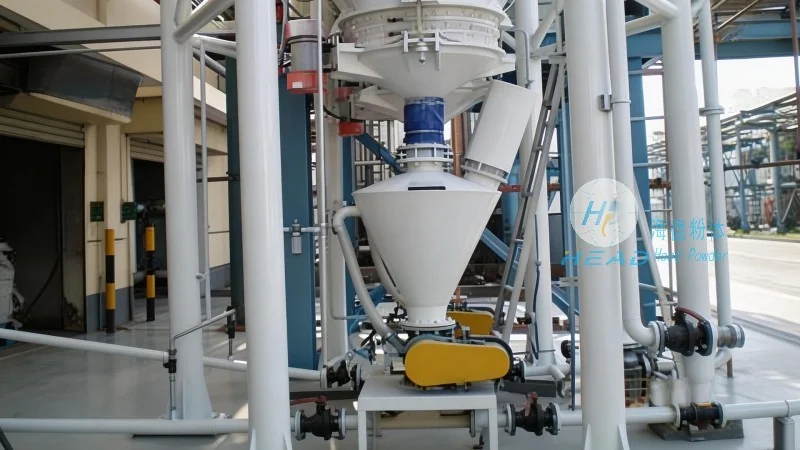
Wood ash pneumatic conveying systems represent a sophisticated approach to handling bulk materials, combining technical precision with practical advantages. The working principle, which relies on air flow to transport particles, is both efficient and adaptable, while the key features—such as closed systems, flexibility, and low maintenance—make it a preferred choice for many industries. As a leading provider in this field, Shandong HeadPowder Engineering Co., Ltd. continues to innovate and deliver systems that meet the evolving demands of industrial operations, ensuring that wood ash and other fine materials are handled safely and effectively. The company's expertise in engineering and material handling ensures that clients receive solutions that are not only functional but also aligned with their operational and environmental goals.




