Positive pressure blowing material handling systems represent a sophisticated industrial solution for the efficient and safe transport of bulk materials. These systems are extensively utilized across diverse sectors, including food processing, pharmaceuticals, and chemical manufacturing, where maintaining product integrity and adhering to stringent hygiene standards is paramount. The technology underpinning these systems leverages positive pressure to propel materials through a sealed pipeline network, ensuring minimal contamination and precise flow control.
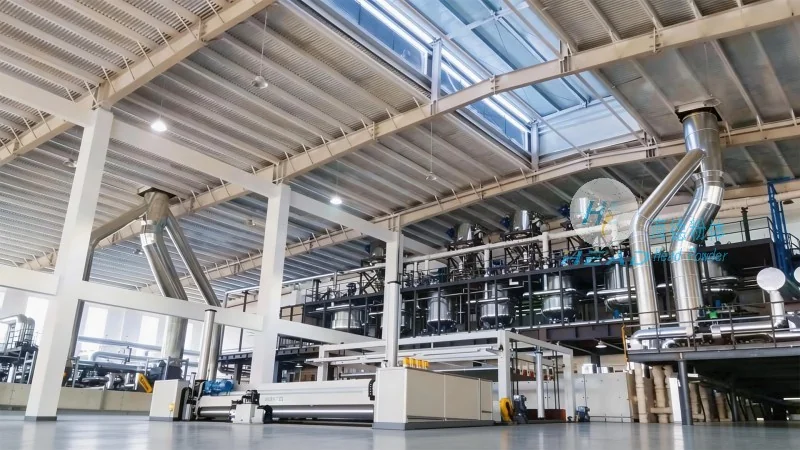
Key Components of the System
The fundamental components of a positive pressure blowing material handling system typically consist of a blower unit, material feeders, conveying pipelines, and control systems. The blower unit is responsible for generating the necessary air pressure to initiate material transport. Material feeders, such as hoppers or rotary valves, introduce the bulk material into the pipeline. The conveying pipelines, commonly constructed from stainless steel or other corrosion-resistant materials, ensure the material is conveyed without exposure to external contaminants. Control systems, equipped with sensors and automation software, continuously monitor and regulate operational parameters like flow rate, pressure, and temperature to maintain system efficiency and safety.
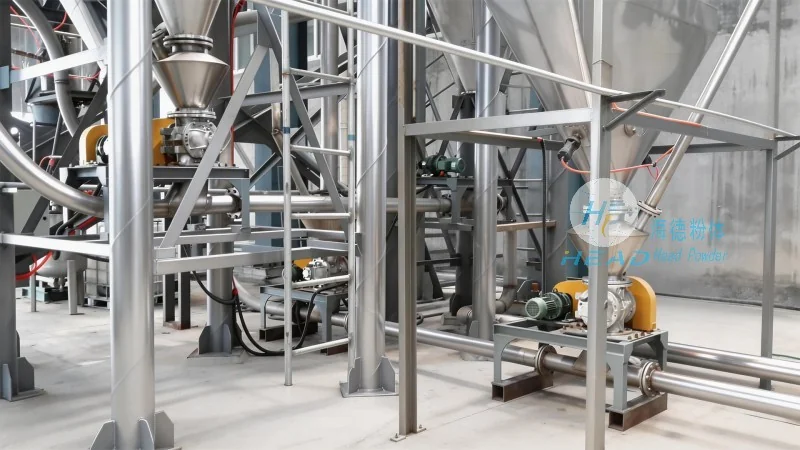
Operation Process: Step-by-Step Workflow
The operation of a positive pressure blowing material handling system follows a systematic workflow that ensures seamless and continuous material transport. The process commences with the material being loaded into the hopper or feeder. The feeder then dispenses the material into the conveying pipeline as the blower generates the required air pressure. The air and material mixture travels through the pipeline, with the positive pressure maintaining a consistent flow. At the discharge end, the material is separated from the air, often via a cyclone or filter system, and collected in a receiving container. The control system continuously monitors pressure and flow rates, adjusting the blower speed or feeder rate as needed to sustain optimal performance.
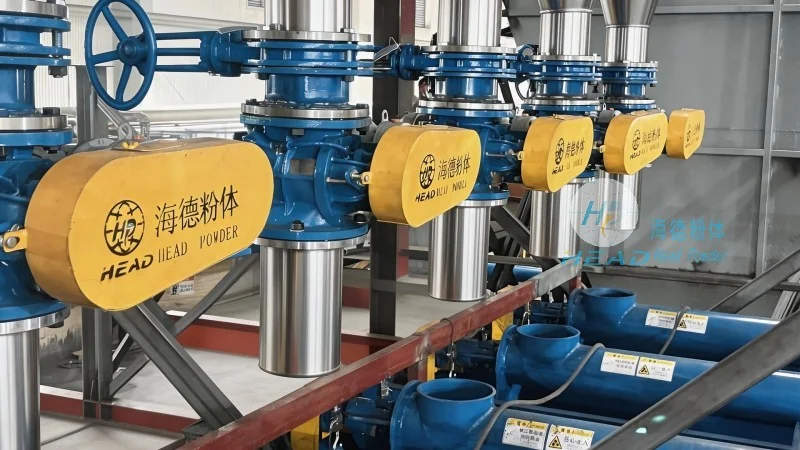
Working Principle: How Positive Pressure Contributes to Material Transport
The working principle of a positive pressure blowing system is rooted in the concept of maintaining a higher pressure within the conveying pipeline compared to the ambient environment. This pressure differential creates the force necessary to drive the material forward. The material is entrained in the air stream, and the air velocity ensures the material moves through the pipeline without clogging or degradation. This method is particularly effective for transporting fine powders, granules, and other bulk materials that are susceptible to bridging or segregation. The positive pressure also helps to prevent dust emissions and maintain a clean working environment, as the entire system operates under a sealed condition.
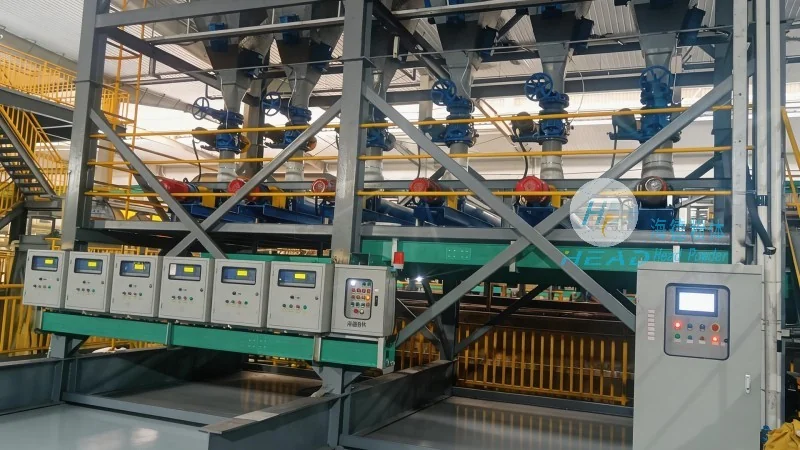
Advantages and Applications
Positive pressure blowing material handling systems offer several advantages over traditional conveying methods. These systems are highly energy-efficient and capable of rapid material transport. They are also more hygienic and easier to clean, making them suitable for industries with strict regulatory requirements. Additionally, the sealed pipeline design minimizes product loss and contamination, enhancing product quality and safety. The systems are versatile and can be customized to handle various material types and processing needs, from small-scale operations to large industrial facilities. Companies like Shandong HeadPowder Engineering Co., Ltd. specialize in designing and manufacturing these systems, providing tailored solutions to meet specific industrial demands.




