Working Principle and Characteristics of Glass Fiber Pneumatic Conveying
Release time:2026-09-16 18:01:20
name of the company:Shandong Headpowder Engineering Co., Ltd.
telephone:156-6277-7102
contacts:Zhang manager
Shandong HeadPowder Engineering Co., Ltd., a leading provider of material handling solutions, specializes in glass fiber pneumatic conveying systems. Based in Shandong, China, the company offers advanced technology for efficiently transporting glass fibers and related materials in industrial applications. This article explores the working principle and key characteristics of glass fiber pneumatic conveying, highlighting its benefits and applications.
Working Principle of Glass Fiber Pneumatic Conveying
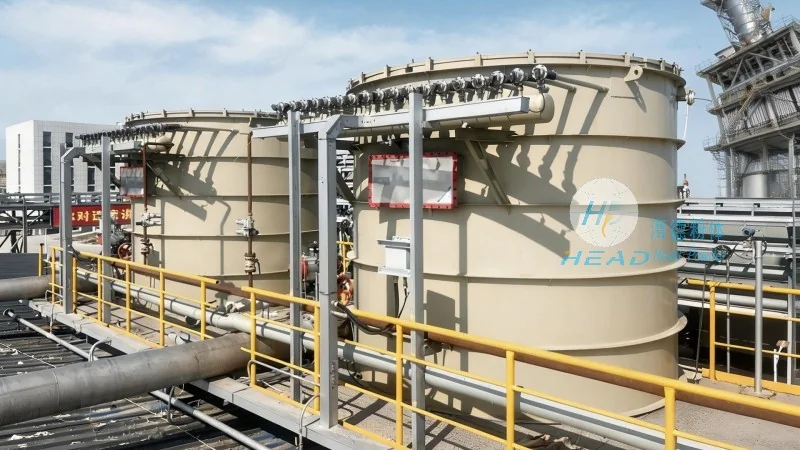
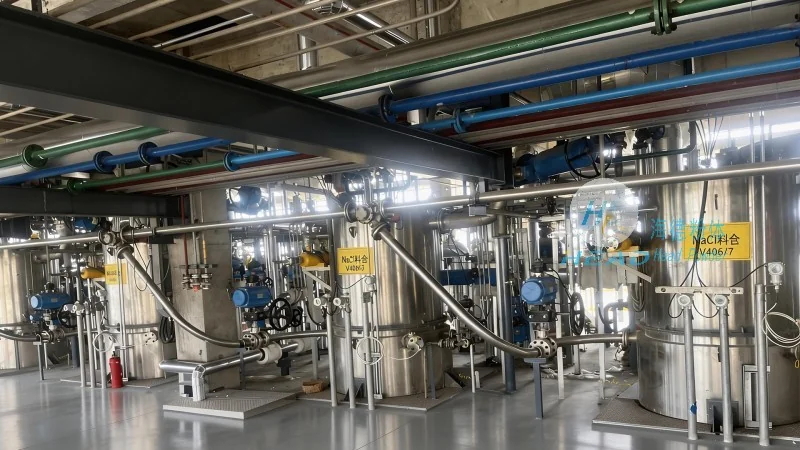
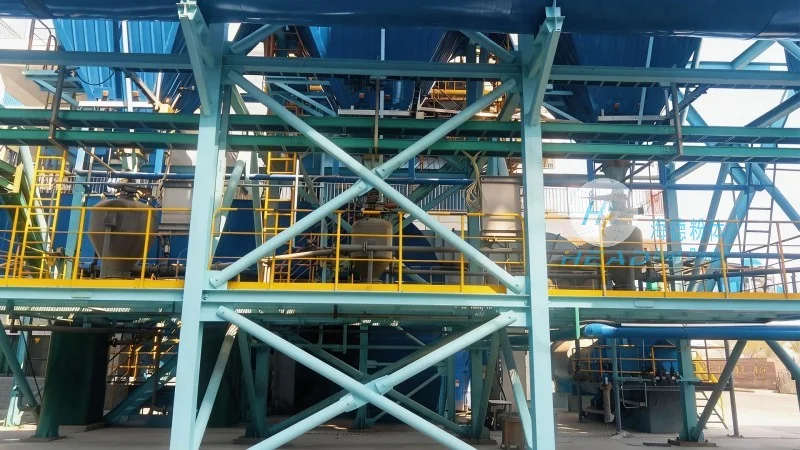
The core of glass fiber pneumatic conveying lies in the use of air as the conveying medium. The system typically consists of a hopper, a feeder, a conveying line, and a receiver. The material, such as glass fibers, is fed into the hopper from which it is then transferred to the feeder. The feeder controls the flow rate of the material into the conveying line. As the material enters the line, it is entrained by a high-velocity air stream, which carries the particles through the pipeline to the receiver. The receiver collects the material and may include a dust collection system to manage any airborne particles. The air, after conveying the material, is often filtered and recycled back into the system to maintain efficiency and reduce energy consumption.
Key Characteristics of Glass Fiber Pneumatic Conveying
Several distinct characteristics make glass fiber pneumatic conveying an attractive option for various applications. First, it provides a clean and dust-free environment, which is crucial when handling glass fibers, as they can be abrasive and may cause health issues if not contained properly. The enclosed system minimizes exposure to airborne particles, enhancing workplace safety and compliance with environmental regulations. Second, the technology offers high flexibility in terms of system layout. The conveying lines can be arranged in various configurations, including vertical, horizontal, or a combination of both, allowing for complex material flow paths without the need for extensive infrastructure modifications. Third, glass fiber pneumatic conveying systems are generally compact and can be integrated into existing production lines with minimal disruption. This makes them suitable for both new installations and retrofits in existing facilities. Fourth, the system can handle a wide range of material properties, including different particle sizes, shapes, and moisture contents, making it versatile for various glass fiber products. Additionally, the technology allows for precise control over material flow rates, which is essential for maintaining consistent production processes and product quality. The ability to adjust the air velocity and pressure enables operators to optimize the conveying process for specific material characteristics, ensuring efficient and reliable transport.




