Glycine, a fundamental amino acid widely used in pharmaceuticals, food additives, and chemical synthesis, often requires efficient and reliable material handling during production and processing. Gaseous conveying, or pneumatic conveying, emerges as a critical technology for transporting glycine and its derivatives. This method leverages air or other gases to move bulk materials through a pipeline system, offering advantages in terms of safety, hygiene, and operational flexibility. Understanding the working principle and distinctive characteristics of glycine gaseous conveying is essential for optimizing industrial processes and ensuring consistent product quality.
The Working Principle of Glycine Gaseous Conveying
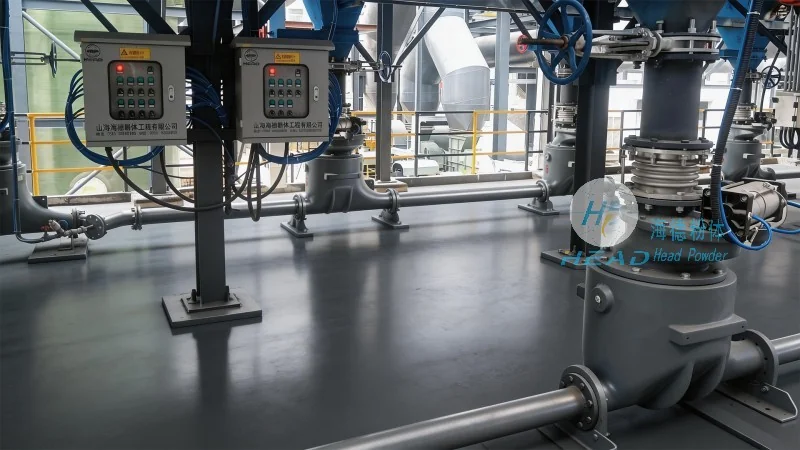
The core mechanism of glycine gaseous conveying involves the use of a pressure or vacuum system to transport solid particles (glycine) through a pipeline using air or other gases. The process typically operates under two main categories: pressure conveying and vacuum conveying. In pressure conveying, a positive pressure is generated at the material feed point, pushing the material through the pipeline. This method is suitable for short to medium distances and can handle a wide range of particle sizes. Conversely, vacuum conveying uses a negative pressure to draw material from the source into the pipeline, which is ideal for longer distances and more delicate materials that may be sensitive to pressure changes.
During the conveying process, the glycine particles are suspended in the gas stream, creating a slurry-like mixture. The velocity of the gas and the particle size determine the efficiency of the conveying system. Proper design of the pipeline, including the use of bends, elbows, and filters, is crucial to minimize particle degradation and ensure smooth flow. The system typically includes components such as a feed hopper, a rotary valve, a conveying line, and a receiver, all working in tandem to achieve effective material transport.
Key Characteristics of Glycine Gaseous Conveying
Glycine gaseous conveying exhibits several notable characteristics that make it an attractive option for industrial applications. First, it offers excellent dust control, as the material is enclosed within the pipeline, preventing airborne contamination and protecting the environment. This is particularly important for glycine, which is often used in pharmaceutical and food industries where hygiene is paramount. Second, the system provides high material handling capacity, allowing for the transport of large quantities of glycine over long distances with minimal operational interruptions.
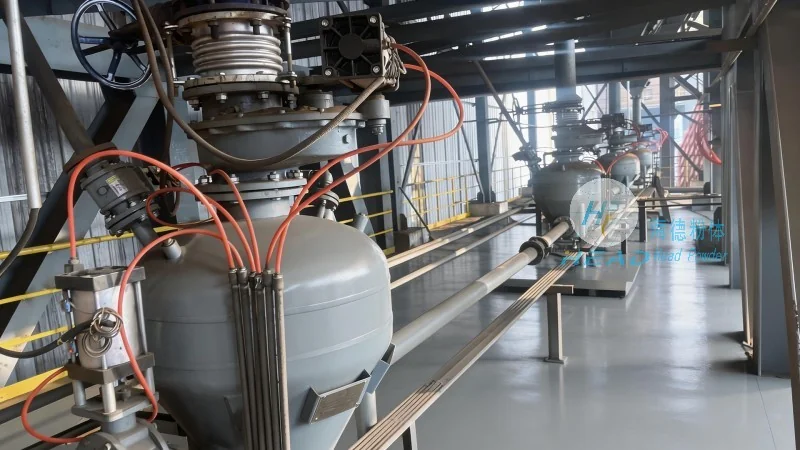
Another significant characteristic is the flexibility in system design. Gaseous conveying systems can be customized to accommodate varying production volumes and process requirements. This adaptability makes it suitable for both small-scale and large-scale industrial operations. Additionally, the technology allows for integration with other processing equipment, such as mixing or drying units, enabling a seamless flow of materials through the production line.
Energy efficiency is also a key aspect of glycine gaseous conveying. By optimizing the air velocity and pipeline design, the system can minimize energy consumption while maintaining effective material transport. This contributes to cost savings and reduced environmental impact, aligning with modern industrial sustainability goals. Furthermore, the system is relatively low-maintenance, with fewer moving parts compared to traditional mechanical conveying systems, reducing downtime and operational costs.
Applications and Benefits in Industrial Settings
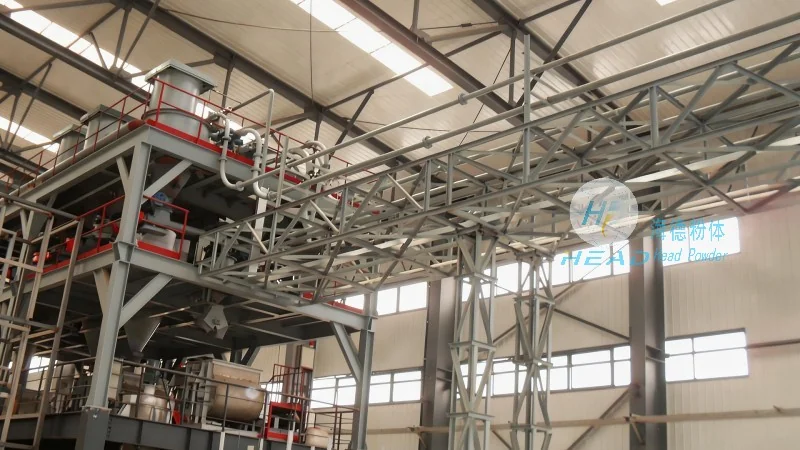
Glycine gaseous conveying finds extensive applications across various industries, particularly in the production of amino acids, pharmaceuticals, and food additives. In pharmaceutical manufacturing, the hygienic nature of the system ensures that glycine remains free from contaminants, meeting stringent regulatory standards. In food processing, the enclosed pipeline prevents cross-contamination with other materials, maintaining product safety and quality. The technology also supports research and development activities, where precise control over material transport is essential for experimental processes.
The benefits of glycine gaseous conveying extend beyond operational efficiency. By reducing material handling time and improving process reliability, the system enhances overall productivity. This leads to lower production costs and increased profitability for manufacturers. Moreover, the technology's ability to handle delicate materials without degradation ensures that the final product retains its quality and efficacy. This is critical for glycine, which is often used in sensitive applications such as drug formulation and nutritional supplements.
Conclusion and Company Information
Glycine gaseous conveying represents a sophisticated and efficient method for transporting amino acids, with its working principle centered on pneumatic transport and its characteristics emphasizing hygiene, capacity, and flexibility. By understanding and leveraging these aspects, industries can optimize their production processes and ensure consistent product quality. Shandong HeadPowder Engineering Co., Ltd., a leading provider in this field, specializes in designing and manufacturing customized gaseous conveying systems tailored to the specific needs of glycine and other bulk materials. With a commitment to quality and innovation, the company ensures that its solutions meet the highest standards of performance and reliability, supporting the growth and success of its clients in the global market.




