Operation Process and Working Principle of Cement Powder Material Conveying Line
Release time:2026-09-21 02:01:40
name of the company:Shandong Headpowder Engineering Co., Ltd.
telephone:156-6277-7102
contacts:Zhang manager
Efficient and reliable cement powder material conveying lines are crucial components in modern cement production and processing facilities. These systems are designed to transport bulk cement powder from storage silos or production areas to various destinations such as silos, storage tanks, or packaging stations. The operation of a cement powder conveying line involves a series of interconnected processes that ensure smooth and continuous material flow, minimizing downtime and maximizing productivity.
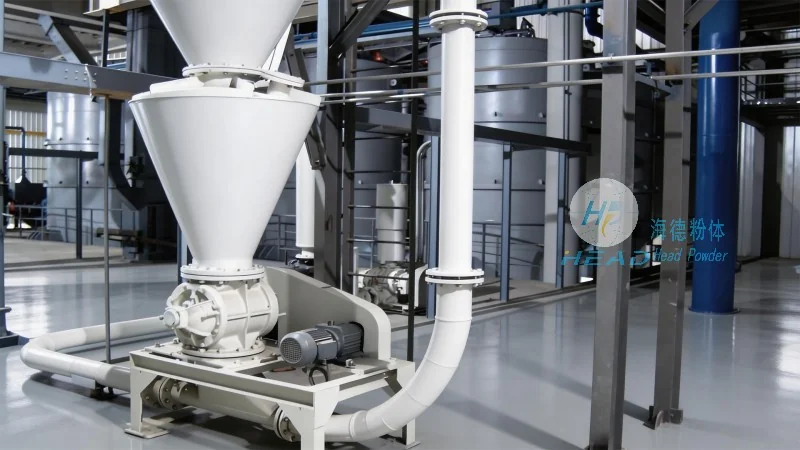
Introduction to Cement Powder Conveying Systems
Shandong HeadPowder Engineering Co., Ltd., a leading manufacturer based in Shandong, China, specializes in the design, manufacturing, and installation of high-quality cement powder conveying lines. With years of experience in the industry, HeadPowder has developed advanced solutions tailored to meet the diverse needs of cement manufacturers worldwide. The company's expertise lies in creating customized systems that enhance operational efficiency, reduce maintenance costs, and ensure compliance with industry standards.
Key Components of a Cement Powder Conveying Line
A typical cement powder conveying line consists of several essential components that work in harmony to achieve effective material transport. These components include:
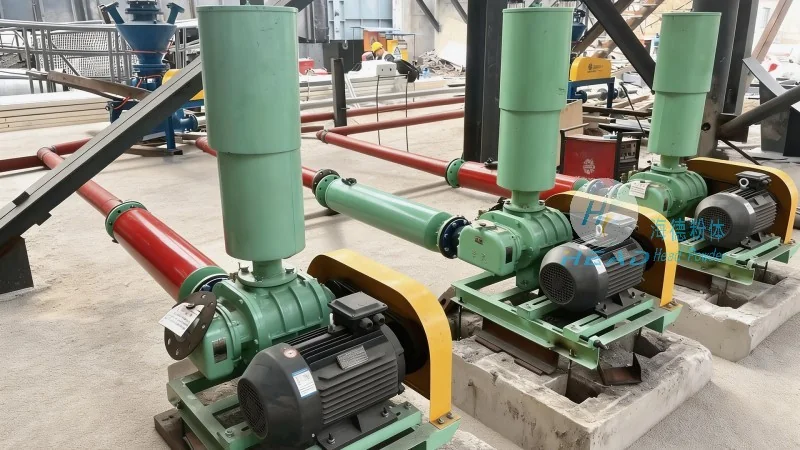
- Storage Silos: Large vertical or horizontal silos used to store bulk cement powder before it is conveyed to other parts of the facility.
- Pneumatic Conveying Systems: Often utilizing air pressure or vacuum to move the cement powder through pipelines, these systems are widely used for long-distance and high-volume transport.
- Feeders and Dosing Devices: Equipment that controls the flow rate of cement powder from the silos into the conveying line, ensuring precise and consistent delivery.
- Pipelines and Fittings: High-quality, corrosion-resistant pipelines and fittings that withstand the abrasive nature of cement powder and maintain system integrity.
- Control Systems: Advanced control panels and sensors that monitor and regulate the entire conveying process, ensuring safety and optimal performance.
The Operation Process of Cement Powder Conveying Lines
The operation of a cement powder conveying line typically follows a sequential process that begins with material storage and ends with delivery to the target location. Here is a detailed breakdown of the steps involved:
- Material Loading: Cement powder is loaded into the storage silos from trucks or other transport vehicles. The silos are equipped with level sensors to monitor the material level and prevent overfilling.
- Initial Feeding: The feeder or dosing device opens and starts feeding the cement powder into the conveying pipeline. The flow rate is controlled based on the required delivery rate to the destination.
- Pneumatic Conveying: Compressed air or vacuum is applied to the pipeline, creating a pressure differential that propels the cement powder through the system. The air-cement mixture travels at high speeds, ensuring rapid and efficient transport.
- Delivery to Target: The cement powder is discharged from the pipeline into the receiving silo or storage tank. The receiving equipment is designed to handle the incoming material smoothly, preventing blockages or spills.
- System Monitoring and Control: The control system continuously monitors parameters such as pressure, flow rate, and material level. Any deviations are immediately detected and corrected, ensuring the system operates within safe and efficient parameters.
Working Principle of Cement Powder Conveying Lines
The working principle of cement powder conveying lines is based on the principles of fluid dynamics and pneumatic transport. The system relies on the interaction between the cement powder particles and the conveying medium (usually air) to achieve movement. Here are the key principles involved:
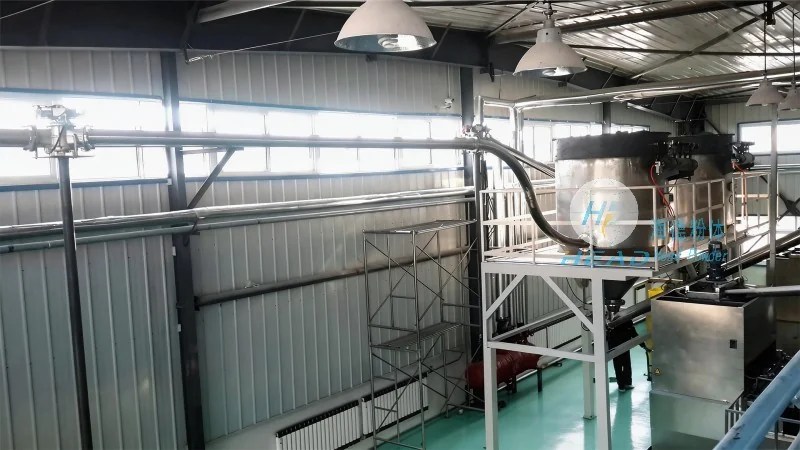
- Fluidization: The cement powder is fluidized by the air flow, turning it into a suspension that behaves like a fluid. This allows the material to be transported through the pipelines with minimal resistance.
- Pressure Differentiation: The pressure difference created by the compressor or vacuum pump provides the necessary force to move the material. Higher pressure at the inlet and lower pressure at the outlet creates a flow path for the cement powder.
- Particle Size and Density: The size and density of the cement powder particles affect the conveying efficiency. Properly sized particles ensure smooth flow and prevent blockages in the pipelines.
- System Design: The design of the conveying line, including the pipeline layout, diameter, and inclination, is critical to achieving optimal performance. Properly designed systems minimize energy consumption and maximize material throughput.
Benefits of Using Cement Powder Conveying Lines
Implementing a cement powder conveying line offers numerous benefits to cement manufacturers. These include:
- Increased Efficiency: Automated and continuous operation reduces labor costs and minimizes downtime, leading to higher overall productivity.
- Improved Safety: Enclosed systems and automated controls reduce the risk of dust exposure and accidents, creating a safer working environment.
- Reduced Maintenance: High-quality components and proper maintenance schedules result in lower long-term maintenance costs and extended equipment lifespan.
- Enhanced Product Quality: Precise control over the conveying process ensures consistent material quality and reduces the risk of contamination.
- Scalability: Customizable systems can be scaled to meet the growing needs of the facility, allowing for future expansion without major overhauls.
Conclusion
Cement powder material conveying lines are essential for the efficient operation of cement production facilities. With advanced technology and expert engineering, companies like Shandong HeadPowder Engineering Co., Ltd. provide reliable and high-performance solutions that enhance productivity, safety, and cost-effectiveness. By understanding the operation process and working principles of these systems, cement manufacturers can make informed decisions to optimize their material handling processes and stay competitive in the industry.




