Shandong HeadPowder Engineering Co., Ltd. specializes in the design, manufacturing, and installation of advanced pneumatic conveying systems tailored for handling alumina hydroxide materials. These systems are engineered to ensure efficient, safe, and reliable material transport in industrial settings. The following content provides a detailed overview of the operation process and working principles of such equipment, highlighting key components, operational steps, and technical advantages.
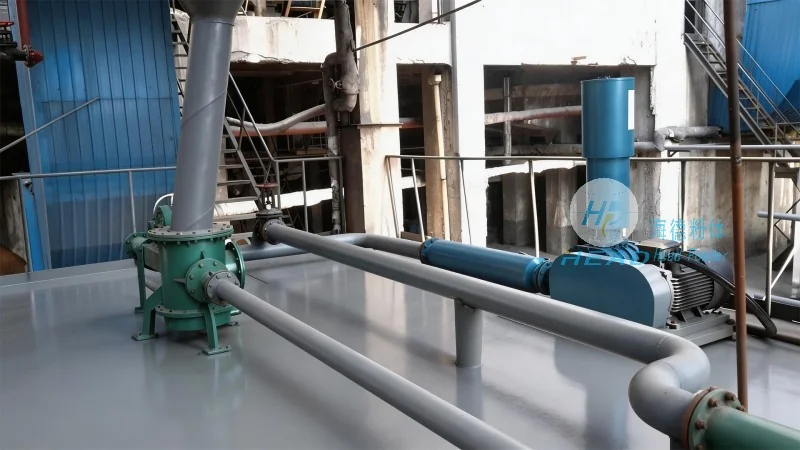
Key Components of the Pneumatic Conveying System
The alumina hydroxide pneumatic conveying equipment typically consists of several critical components that work in tandem to facilitate material transport. These include a hopper for material storage, a feeder to control the flow rate, a conveying pipeline network, a blower or compressor to generate the necessary air pressure, and a receiver for the discharged material. Each component plays a vital role in maintaining the system's efficiency and ensuring smooth operation.
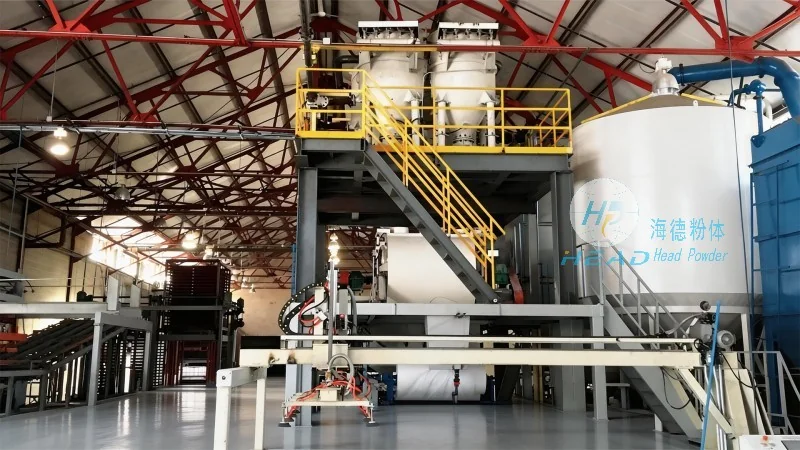
Operation Process of the Pneumatic Conveying System
The operation process of the alumina hydroxide pneumatic conveying system involves several sequential steps. First, the alumina hydroxide material is fed into the hopper from the storage silo. The feeder then regulates the material flow into the conveying pipeline, ensuring a consistent feed rate. Simultaneously, the blower or compressor generates a high-pressure air stream that travels through the pipeline. As the material is introduced into the pipeline, it is entrained by the air stream and carried to the receiver. The air and material mixture then enters the receiver, where the material is separated from the air through a cyclone or other separation device. The separated material is collected in the receiver, while the air is either vented to the atmosphere or recirculated back into the system, depending on the design. This process ensures that the alumina hydroxide is transported from the source to the destination without any manual handling, reducing labor costs and improving safety.
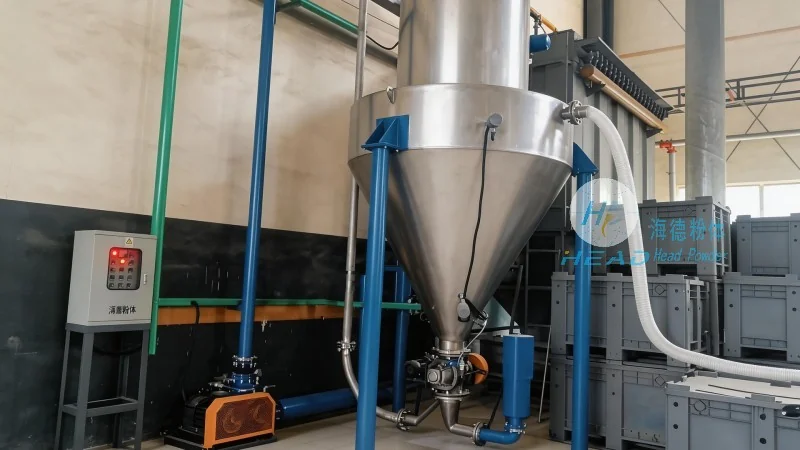
Working Principle of the Pneumatic Conveying System
The working principle of the alumina hydroxide pneumatic conveying system is based on the principle of fluidization and air entrainment. The system utilizes a high-pressure air stream to lift and transport the alumina hydroxide particles through the pipeline. The key is to achieve a sufficient air velocity to overcome the gravitational force acting on the particles, allowing them to be carried along with the air. The air velocity must be maintained at a level that prevents particle deposition or blockage in the pipeline. The system's design, including the size of the pipeline, the air pressure, and the feed rate, is optimized to ensure that the material is conveyed efficiently without excessive energy consumption or wear on the components. The separation process at the receiver is also critical, as it ensures that the material is recovered in a clean and dry state, ready for further processing or use.
Advantages of Using Pneumatic Conveying for Alumina Hydroxide
Implementing a pneumatic conveying system for alumina hydroxide offers several advantages over traditional material handling methods. Firstly, it eliminates the need for manual handling, reducing the risk of workplace accidents and improving worker safety. Secondly, it provides a continuous and automated material transport process, which increases production efficiency and reduces downtime. Thirdly, the system is compact and can be installed in confined spaces, making it suitable for various industrial applications. Additionally, pneumatic conveying systems are less prone to material contamination compared to other methods, as the material is enclosed within the pipeline and does not come into contact with external elements. Finally, the system's flexibility allows for easy integration with existing production lines, enabling seamless material flow from one process to another.
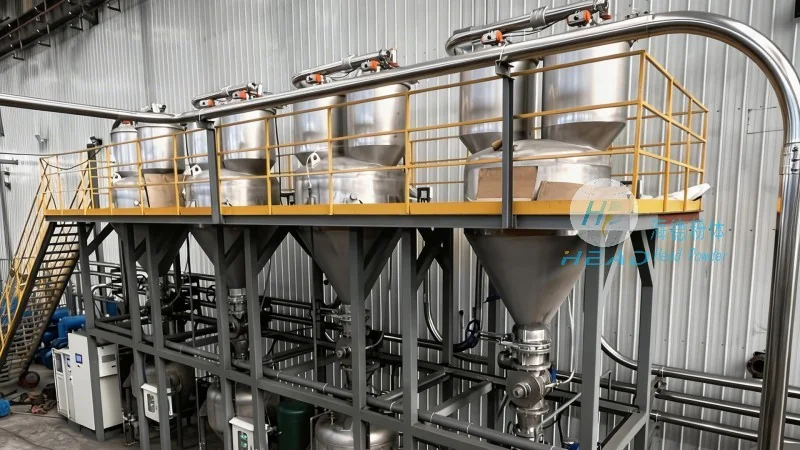
Application Scenarios and Customization Options
Shandong HeadPowder Engineering Co., Ltd. offers customized pneumatic conveying solutions tailored to the specific needs of alumina hydroxide processing facilities. The company's engineers work closely with clients to understand their operational requirements, material characteristics, and space constraints, and then design a system that meets all these criteria. The systems can be configured for various conveying distances, from short-distance transport within a plant to long-distance transfer between different facilities. The company also provides options for different types of conveying, such as dilute-phase or dense-phase systems, depending on the material's properties and the desired transport efficiency. Additionally, the equipment can be equipped with advanced control systems that monitor and regulate the operation in real-time, ensuring optimal performance and minimal maintenance.




