

Operation Process and Working Principle of Silicomanganese Material Pneumatic Conveying Equipment
HeadPowder, a leading manufacturer based in Shandong, China, specializes in the design, development, and production of advanced pneumatic conveying systems tailored for handling silicomanganese materials. This equipment is engineered to efficiently transport bulk silicomanganese from storage silos or production lines to processing units, ensuring minimal material loss and optimal operational safety. The following sections detail the operational process and working principles of such systems, highlighting key components and their functions.
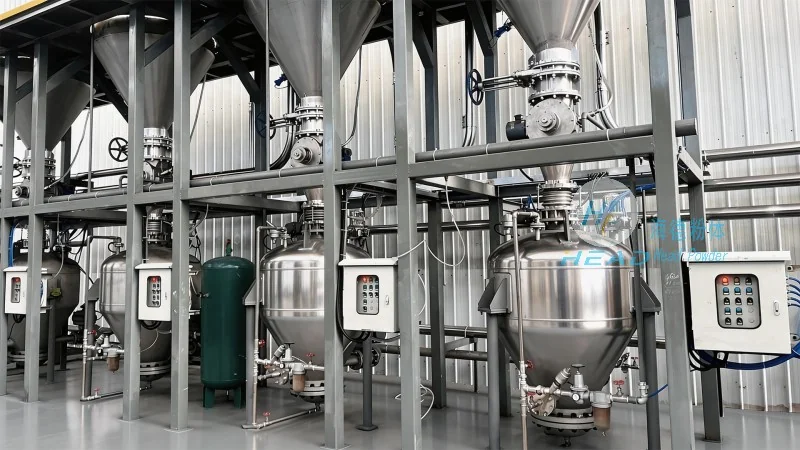
Key Components of the Pneumatic Conveying System
The silicomanganese material pneumatic conveying equipment typically consists of several critical components that work in tandem to achieve effective material transport. These include the hopper or feed hopper, which stores and feeds the silicomanganese material; the air compressor or blower, which generates the necessary airflow; the conveying pipeline, which transports the material; and the receiver or discharge hopper, where the material is deposited. Each component plays a vital role in maintaining the system's efficiency and reliability.
Working Principle of the Pneumatic Conveying Process
The operation of the silicomanganese material pneumatic conveying system is based on the principle of air suspension, where the material is suspended in a stream of air and transported through the pipeline. The process begins with the material being fed from the hopper into the conveying pipeline. Simultaneously, the air compressor supplies high-pressure air into the pipeline. As the air flows through the pipeline, it creates a low-pressure zone that draws the silicomanganese particles into the air stream. The combination of air velocity and particle size ensures that the material is uniformly suspended and conveyed to the receiver. The system is designed to maintain a consistent airflow and material feed rate to prevent blockages and ensure smooth operation.
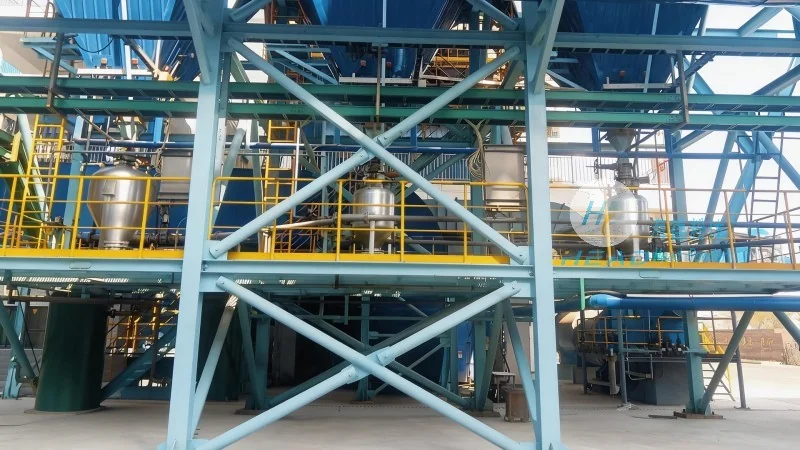
Operational Process: Step-by-Step Execution
The operational process of the silicomanganese material pneumatic conveying equipment involves several sequential steps that ensure efficient material handling. First, the silicomanganese material is loaded into the feed hopper. The hopper is equipped with a feeder mechanism, such as a rotary valve or screw feeder, which controls the material discharge rate. Next, the air compressor is activated, and the air is introduced into the conveying pipeline. The material is then drawn into the air stream and transported to the receiver. The receiver is typically a large hopper or storage tank where the material is collected. The system is equipped with pressure sensors and flow meters to monitor the operational parameters and ensure that the conveying process is running smoothly. In case of any issues, such as blockages or pressure drops, the system is designed to automatically shut down or alert operators to take corrective actions.
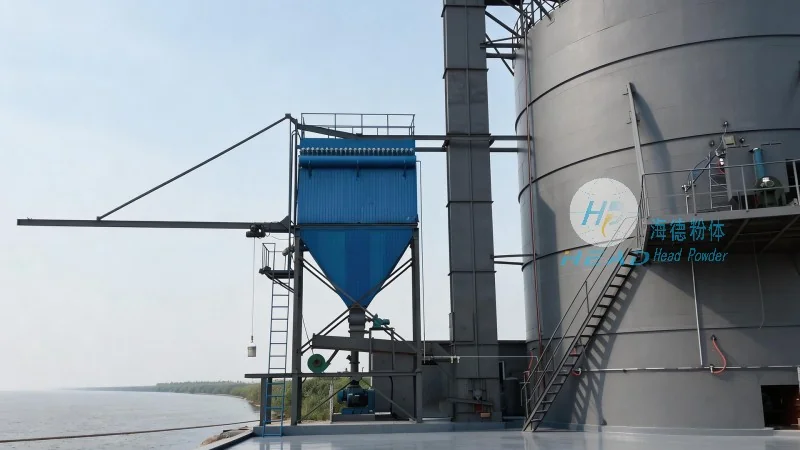
Advantages of Using Silicomanganese Material Pneumatic Conveying Equipment
Implementing a pneumatic conveying system for silicomanganese material offers several advantages over traditional methods like belt conveyors or bucket elevators. Firstly, it eliminates the need for physical contact between the material and the conveying equipment, reducing wear and tear and minimizing material contamination. Secondly, the system is highly efficient in terms of energy consumption, as it uses compressed air to transport the material over long distances with minimal energy loss. Thirdly, the equipment is compact and requires less space compared to traditional conveyors, making it suitable for installations with limited floor space. Additionally, the system is easy to maintain and clean, as the material is contained within the pipeline and does not come into contact with external surfaces. These advantages make the pneumatic conveying system an ideal choice for industries dealing with silicomanganese materials, where efficiency, safety, and cost-effectiveness are paramount.
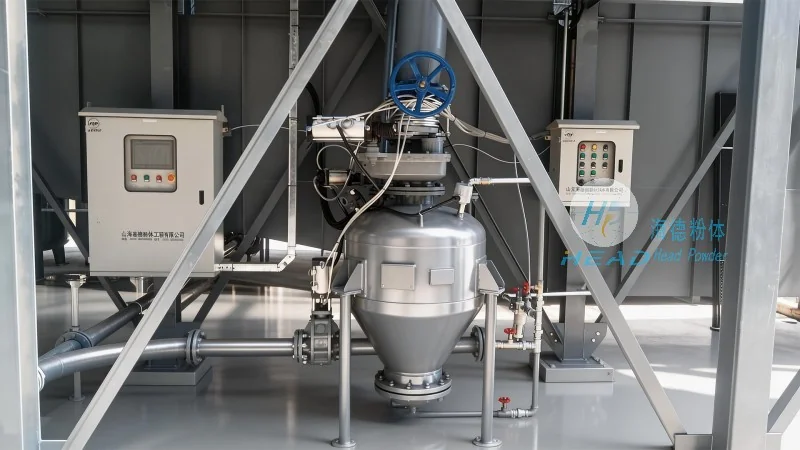
Application Scenarios and Industry Use Cases
The silicomanganese material pneumatic conveying equipment is widely used in various industrial applications, particularly in the steel and ferroalloy manufacturing sectors. In steel production, silicomanganese is used as a deoxidizer and alloying agent to improve the mechanical properties of steel. The pneumatic conveying system is used to transport silicomanganese from storage silos to the steelmaking furnace or alloying units. In ferroalloy production, the system is used to move silicomanganese from the production line to the refining or packaging stages. The equipment is also used in other industries, such as chemical and pharmaceutical manufacturing, where silicomanganese is used as a raw material for producing various compounds. The versatility of the system makes it suitable for a wide range of applications, ensuring that silicomanganese materials are handled safely and efficiently.
Maintenance and Operational Considerations
To ensure the long-term performance and reliability of the silicomanganese material pneumatic conveying equipment, regular maintenance and proper operational considerations are essential. The system should be inspected regularly for any signs of wear or damage to the components, such as the air compressor, conveying pipeline, and feed hopper. The air compressor should be checked for proper air pressure and flow rate, and the filter should be cleaned or replaced as needed to prevent dust accumulation. The conveying pipeline should be inspected for any blockages or leaks, and the receiver should be emptied regularly to prevent material buildup. Additionally, the system should be operated within the recommended parameters, such as the material feed rate and air pressure, to avoid overloading or underloading the equipment. Proper training of operators is also crucial to ensure that they understand the operational procedures and can respond appropriately to any issues that may arise. By following these maintenance and operational guidelines, the silicomanganese material pneumatic conveying equipment can operate efficiently and reliably for extended periods.