For industrial facilities that handle bulk materials, the efficiency and reliability of silo material conveying systems are crucial. These systems are designed to transport materials from storage silos to processing units, ensuring a smooth and continuous flow. The operation process and working principle of such lines involve several key components and mechanisms that work in tandem to achieve optimal performance.
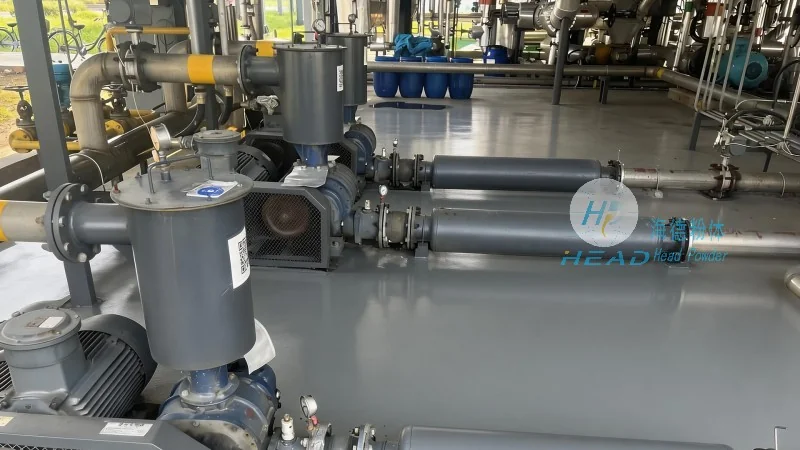
Key Components of a Silo Material Conveying Line
The core components of a silo material conveying line typically include the silo itself, a hopper or feeder, a conveyor system (such as a screw conveyor, belt conveyor, or pneumatic conveyor), and control systems. Each component plays a vital role in the overall operation. The silo serves as the primary storage vessel, while the feeder regulates the material flow from the silo into the conveyor. The conveyor then transports the material to the processing or packaging area. Control systems monitor and adjust the flow rate, ensuring consistent operation.
Working Principle of Material Conveying
The working principle of a silo material conveying line is based on the principles of gravity and mechanical force. When material is stored in the silo, it is held under gravity until it is released into the feeder. The feeder then controls the discharge rate, preventing overloading or underloading of the conveyor. The conveyor system then moves the material forward, either by mechanical means (like a screw or belt) or by pneumatic pressure (for air-powered systems). This process ensures that the material is transported efficiently and safely from the storage silo to the next stage of processing.
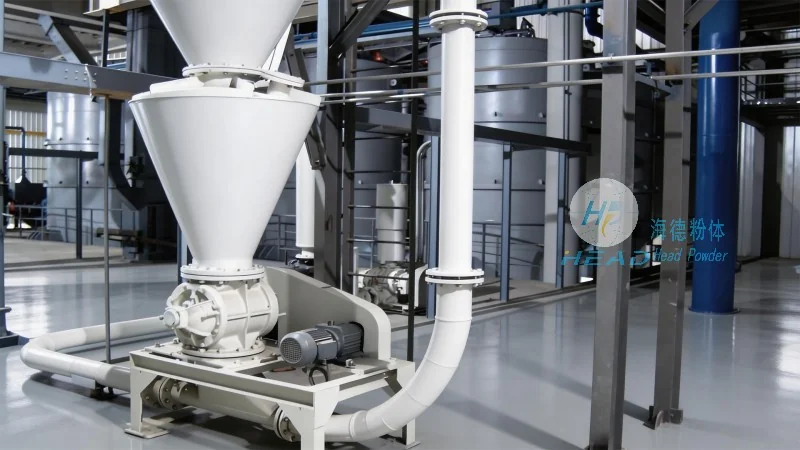
Operation Process: Step-by-Step Overview
The operation process of a silo material conveying line can be broken down into several sequential steps. First, the material is loaded into the silo, either manually or through an automated loading system. Next, the feeder is activated to regulate the material flow from the silo into the conveyor. The conveyor then begins to transport the material, with the control system monitoring the flow rate and adjusting as needed. The material is then delivered to the processing unit, where it is further processed or packaged. Finally, the system is monitored for any issues, and maintenance is performed as required to ensure continuous operation.
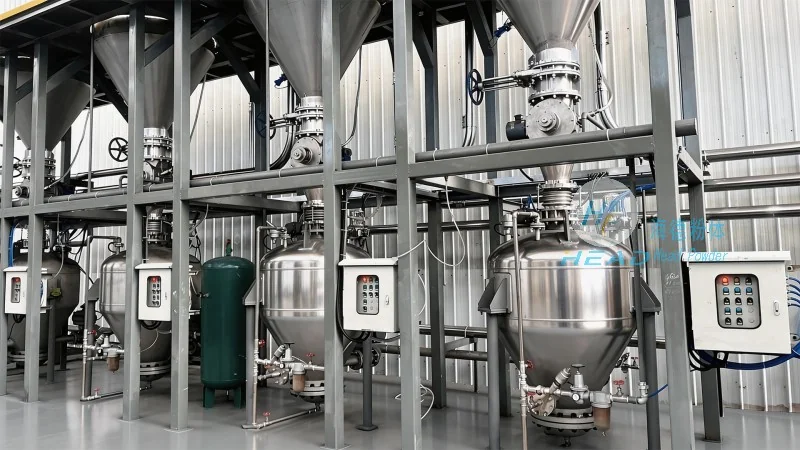
Efficiency and Reliability in Material Handling
Efficiency and reliability are paramount in silo material conveying lines. The design and maintenance of these systems directly impact the overall productivity of the facility. Properly functioning components, such as the feeder and conveyor, ensure that material is transported without blockages or delays. Regular maintenance, including cleaning, lubrication, and inspection of parts, helps to prevent breakdowns and extend the lifespan of the equipment. Additionally, advanced control systems can optimize the flow rate, reducing energy consumption and improving overall operational efficiency.
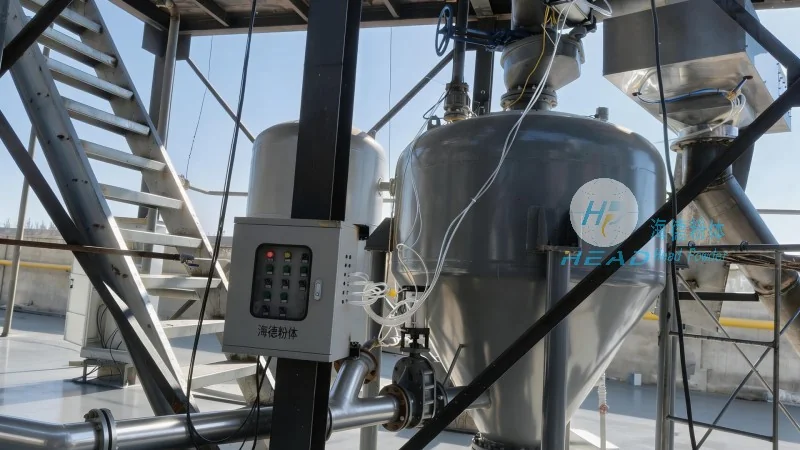
Application in Industrial Settings
Silo material conveying lines are widely used in various industrial applications, including mining, food processing, chemical manufacturing, and pharmaceutical production. In mining operations, these systems transport raw ores from storage silos to processing plants. In food processing, they handle grains, powders, and other bulk food products. In chemical manufacturing, they transport raw materials to reactors and processing units. The versatility of these systems makes them essential in many industries that rely on bulk material handling.
Conclusion
Understanding the operation process and working principle of silo material conveying lines is essential for optimizing material handling in industrial settings. By ensuring proper design, maintenance, and control, facilities can achieve efficient and reliable material transport. The expertise of companies like Shandong HeadPowder Engineering Co., Ltd. plays a crucial role in implementing and maintaining these systems, providing industrial facilities with the tools they need to enhance productivity and operational efficiency.




