Bottom-hopper powder pneumatic conveying equipment, as a key component in modern powder handling systems, plays a crucial role in efficiently transporting bulk powders from storage silos or hoppers to processing units. This equipment is widely used in industries such as food, pharmaceuticals, chemicals, and minerals, where precise and reliable powder transfer is essential for maintaining product quality and operational efficiency. The design and functionality of this equipment are tailored to handle various types of powders, including fine powders, granules, and bulk materials, ensuring minimal product degradation and contamination during the conveying process. As a leading manufacturer in this field, Shandong HeadPowder Engineering Co., Ltd. specializes in providing high-quality bottom-hopper powder pneumatic conveying systems that meet the diverse needs of industrial applications.
Key Components of the Equipment
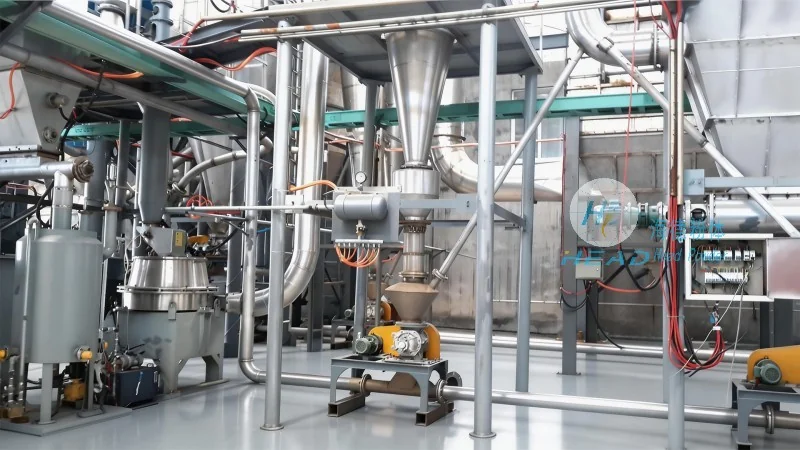
The bottom-hopper powder pneumatic conveying system typically consists of several critical components that work in tandem to achieve effective powder transport. These components include a bottom-hopper hopper, a rotary valve or feeder, a pneumatic conveying line, a dust collector, and a control system. The bottom-hopper hopper serves as the primary storage and feeding unit, where powders are collected and prepared for transfer. The rotary valve or feeder is responsible for controlling the flow rate of the powder into the conveying line, ensuring a consistent and controlled discharge. The pneumatic conveying line, often equipped with pressure vessels or vacuum systems, provides the necessary air flow to move the powder particles through the system. The dust collector is integrated to capture any airborne particles, maintaining a clean and safe working environment. The control system monitors and regulates the operation of all components, ensuring optimal performance and safety.
Operation Process of the Equipment
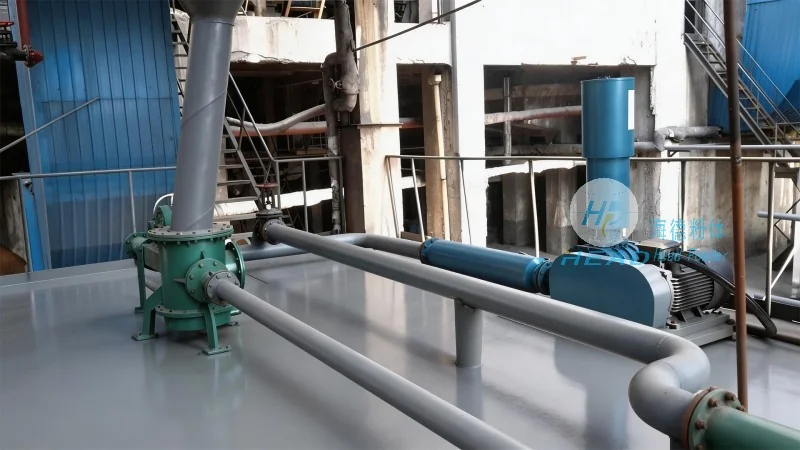
The operation of bottom-hopper powder pneumatic conveying equipment follows a systematic process to ensure smooth and efficient powder transfer. The process begins with the loading of powders into the bottom-hopper hopper. Once the hopper is filled, the rotary valve or feeder starts to open, allowing the powder to flow into the pneumatic conveying line. Simultaneously, the air compressor or vacuum pump generates the required air pressure or vacuum to create a flow of air through the conveying line. As the air flows, it carries the powder particles along the line, transporting them to the destination point, such as a processing unit or storage silo. The control system continuously monitors the pressure, flow rate, and powder level, adjusting the operation as needed to maintain optimal conditions. The process concludes when the hopper is emptied or the desired amount of powder has been transferred. The equipment then returns to standby mode until the next cycle begins.
Working Principle of the Equipment
The working principle of bottom-hopper powder pneumatic conveying equipment is based on the principles of fluid dynamics and particle transport. The core mechanism involves the use of air as a conveying medium to move powder particles through a pipeline. There are two primary modes of operation: pressure conveying and vacuum conveying. In pressure conveying, the air compressor generates high-pressure air that pushes the powder particles through the line, while in vacuum conveying, a vacuum pump creates a low-pressure environment that draws the powder particles into the line. The bottom-hopper hopper is designed to provide a consistent feed of powder, ensuring that the conveying line remains filled and the air flow is stable. The rotary valve or feeder controls the flow rate of the powder, preventing overloading or underloading of the conveying line. The dust collector captures any fine particles that may escape, preventing contamination and maintaining air quality. The control system integrates all these components, ensuring that the operation is safe, efficient, and reliable.
Benefits and Applications
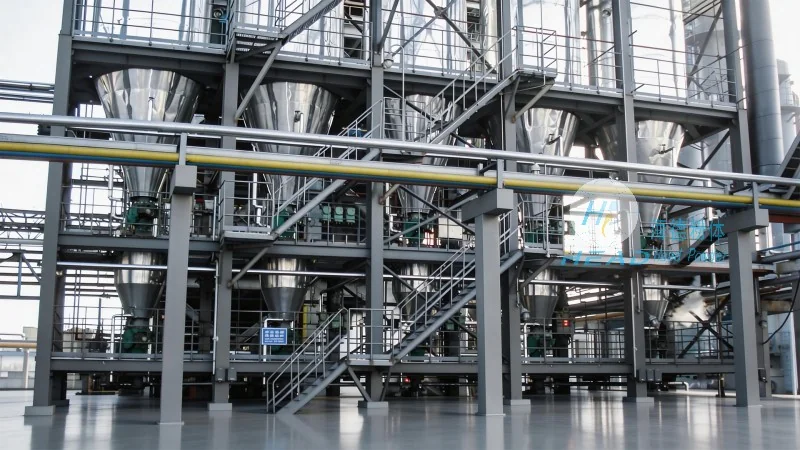
Bottom-hopper powder pneumatic conveying equipment offers several benefits that make it a preferred choice in various industries. One of the key advantages is its ability to handle a wide range of powder types, including fine powders that are difficult to transport using traditional methods. The equipment is also designed to minimize product degradation and contamination, which is critical in industries such as food and pharmaceuticals where product quality is paramount. Additionally, the system is highly flexible and can be easily integrated into existing production lines, allowing for seamless expansion or modification of the powder handling process. The equipment is also energy-efficient, with the ability to adjust the air flow and pressure to match the specific requirements of the powder being conveyed, reducing energy consumption and operational costs.




