Shandong HeadPowder Engineering Co., Ltd. specializes in the design, manufacturing, and application of advanced pneumatic conveying systems tailored for handling shredded paper powders. These systems are critical in various industrial applications where efficient and reliable material transport is essential. The following sections detail the operational process and underlying principles of such equipment, providing a comprehensive understanding for potential users and industry professionals.
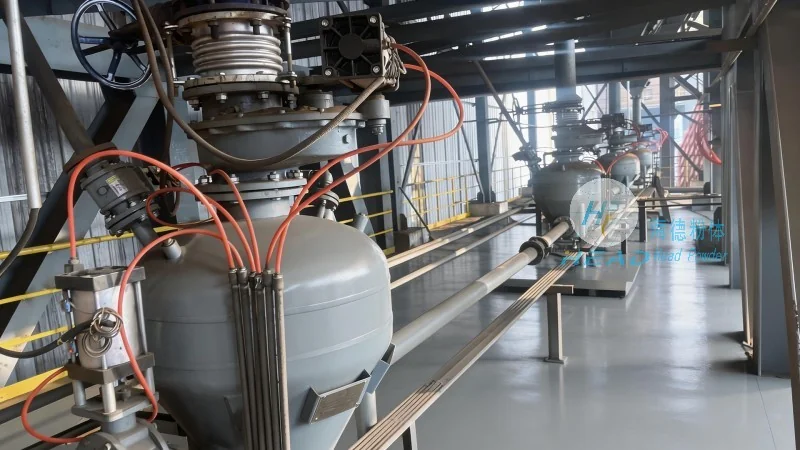
Overview of Pneumatic Conveying Systems for Shredded Paper Powders
Pneumatic conveying systems utilize air or gas to transport bulk materials like shredded paper powders through a pipeline network. For shredded paper, which is often lightweight and can be prone to dust generation, specialized equipment is required to ensure efficient and clean transport. The systems from Shandong HeadPowder Engineering Co., Ltd. are engineered to handle these unique challenges, offering solutions that enhance productivity while maintaining environmental standards.
Key Components and Their Roles
The pneumatic conveying equipment for shredded paper powders typically consists of several key components, each playing a crucial role in the overall operation. These include the material feed hopper, the air supply system (such as a blower or compressor), the conveying pipeline, and the discharge unit. The feed hopper is designed to store and meter the shredded paper powder, ensuring a consistent flow into the system. The air supply system generates the necessary pressure and airflow to move the material through the pipeline. The conveying pipeline, often made of corrosion-resistant materials like stainless steel, transports the powder and air mixture. Finally, the discharge unit collects the material at the destination, separating it from the air stream.
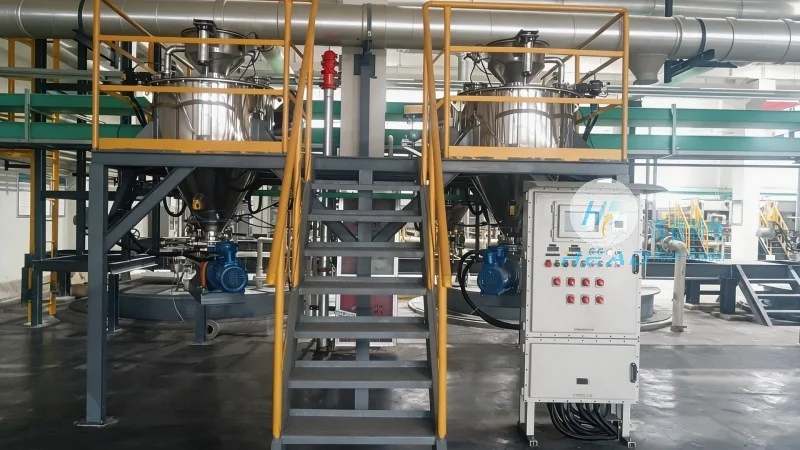
Operation Process: Step-by-Step Explanation
The operation of the shredded paper powder pneumatic conveying system follows a systematic process, which can be broken down into several key steps. First, the shredded paper powder is fed into the material hopper from the source container. The hopper then meters the material into the conveying line, ensuring a controlled flow rate. Simultaneously, the air supply system activates, generating a flow of air that creates a positive pressure within the pipeline. This air flow entrains the shredded paper powder, forming a slurry of air and material that moves through the pipeline. As the mixture travels, it passes through any necessary components like bends, filters, or separators, which may be included to maintain system efficiency and prevent blockages. Finally, at the discharge point, the air and powder are separated. The air is typically filtered and recirculated, while the shredded paper powder is collected in the receiving container.
Working Principle: The Physics Behind Pneumatic Conveying
The working principle of the pneumatic conveying system for shredded paper powders is based on the fundamental physics of fluid dynamics and particle transport. The system operates by creating a pressure differential between the inlet and outlet of the pipeline. The air supply system provides the necessary pressure to overcome the resistance of the pipeline and the material being conveyed. The shredded paper particles are suspended in the air stream due to the drag force exerted by the air, which is proportional to the velocity of the air and the size and density of the particles. The system is designed to maintain an optimal air-to-material ratio to ensure efficient transport without excessive energy consumption or particle degradation. This balance is critical for maintaining the quality of the shredded paper powder and the longevity of the equipment.
Advantages of Using Pneumatic Conveying for Shredded Paper Powders
Implementing pneumatic conveying systems for shredded paper powders offers several advantages over traditional methods like belt conveyors or manual handling. Firstly, the systems provide a dust-free and enclosed transport process, which is essential for maintaining a clean and safe working environment. This is particularly important in industries where dust can be a health hazard or cause operational issues. Secondly, pneumatic conveying systems offer high efficiency in terms of material transport speed and capacity, allowing for faster processing and increased productivity. The enclosed design also reduces material loss and contamination, ensuring the quality of the shredded paper powder is maintained throughout the transport process. Additionally, these systems are flexible and can be easily integrated into existing production lines, adapting to changes in material flow requirements without significant modifications.
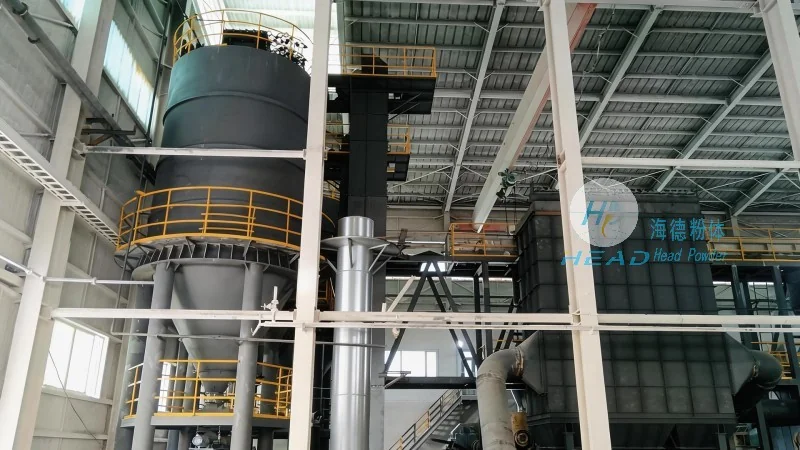
Application Scenarios and Industry Use Cases
The pneumatic conveying equipment from Shandong HeadPowder Engineering Co., Ltd. is widely used in various applications involving shredded paper powders. These include recycling facilities where shredded paper is processed into pulp or other products, paper mills where raw materials are transported between processing stages, and waste management plants where shredded paper is handled as part of the recycling process. The systems are also suitable for industrial settings where shredded paper is used as a raw material in manufacturing processes, such as in the production of paper-based products or as a component in composite materials. In each of these applications, the equipment ensures reliable and efficient transport of the shredded paper powder, contributing to the overall operational efficiency of the facility.
Maintenance and Operational Considerations
To ensure the optimal performance and longevity of the pneumatic conveying systems for shredded paper powders, regular maintenance and proper operational considerations are essential. The system components, such as the air supply unit, conveying pipeline, and discharge unit, require periodic inspection and maintenance to prevent wear and tear or blockages. The air filters and separation systems should be checked and cleaned regularly to maintain their efficiency in removing dust and ensuring clean air recirculation. Additionally, the material feed hopper and discharge unit should be monitored for any signs of material buildup or blockage, which can affect the system's performance. Proper training of operators on the system's operation and maintenance procedures is also crucial to ensure safe and efficient operation. By adhering to these maintenance and operational guidelines, users can maximize the lifespan and efficiency of the pneumatic conveying equipment, minimizing downtime and operational costs.




