HeadPowder, a leading provider in the field of material handling solutions, specializes in the design, manufacturing, and installation of advanced magnetic powder conveying systems. With a strong presence in Shandong, China, the company has established itself as a trusted partner for industries requiring efficient and reliable bulk material transport. This article delves into the operation process and working principle of magnetic powder conveying lines, highlighting the key components, operational steps, and technical aspects that ensure optimal performance.
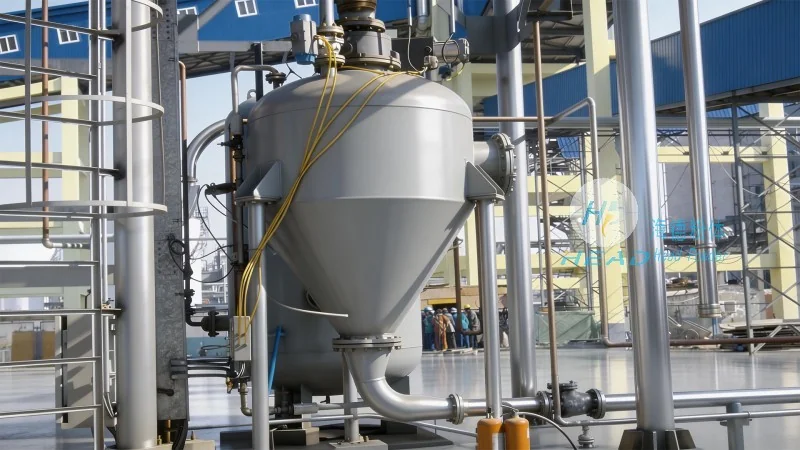
Company Profile and Background
HeadPowder Engineering Co., Ltd. is headquartered in Shandong, China. The company focuses on delivering high-quality magnetic powder conveying equipment tailored to meet the diverse needs of various industrial sectors. By leveraging years of experience and cutting-edge technology, HeadPowder has developed a range of solutions that enhance productivity, reduce operational costs, and ensure safety in material handling processes.
Introduction to Magnetic Powder Conveying Lines
A magnetic powder conveying line is a specialized system designed to transport magnetic powders and other ferromagnetic materials from one location to another. These systems are widely used in industries such as pharmaceuticals, food processing, chemicals, and electronics, where the handling of fine or sensitive powders requires precision and control. The core of the system is the magnetic conveyor, which utilizes magnetic fields to attract and move the powder through a pipeline or conveyor belt.
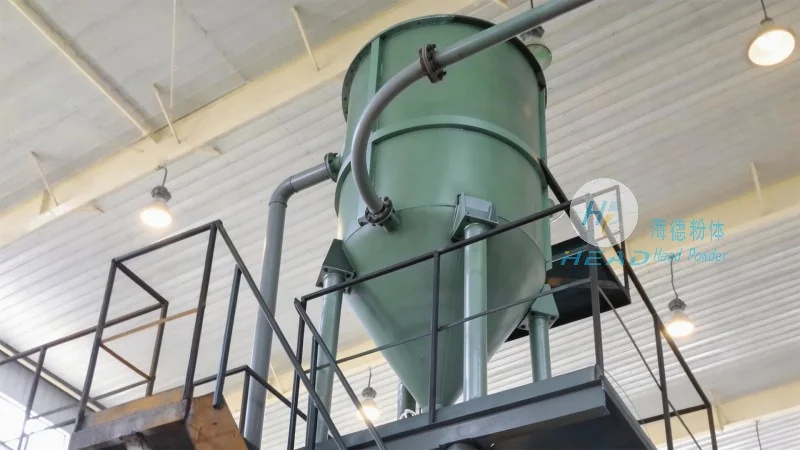
Key Components of the Magnetic Powder Conveying System
The magnetic powder conveying line consists of several critical components that work in tandem to ensure smooth operation. These include the magnetic conveyor itself, feeding mechanisms, control systems, and optional accessories such as filters or separators. Each component plays a vital role in the overall functionality of the system.
Operation Process of the Magnetic Powder Conveying Line
The operation of a magnetic powder conveying line typically involves the following steps. First, the magnetic powder is fed into the system, either from a hopper or a storage container. The feeding mechanism ensures a consistent flow of material into the conveyor. Next, the magnetic conveyor activates, using a strong magnetic field to attract the powder particles and move them along the conveyor path. The conveyor may be a belt or a pipe, depending on the design of the system. As the powder moves, it is guided through the system, often passing through a series of sections that may include bends, elevation changes, or processing stations. The control system monitors the flow rate, pressure, and other parameters to maintain optimal performance. Finally, the powder is discharged at the destination point, completing the conveying process.
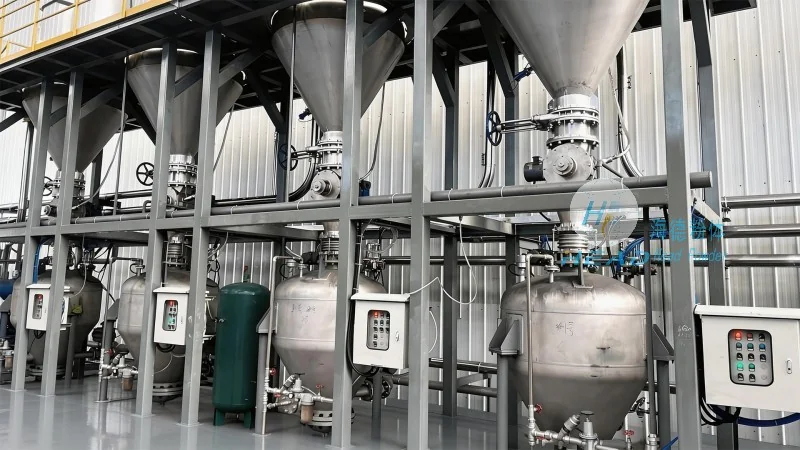
Working Principle of the Magnetic Powder Conveying Line
The working principle of the magnetic powder conveying line is based on the magnetic properties of the material being transported. The system utilizes permanent magnets or electromagnets to create a magnetic field that attracts the ferromagnetic particles. As the conveyor moves, the magnetic field pulls the powder along the path, ensuring that the material is transported without the need for mechanical contact or additional power sources beyond the conveyor itself. This magnetic attraction provides a gentle and efficient method of conveying, minimizing particle breakage and maintaining the integrity of the material.
Advantages and Applications
Magnetic powder conveying lines offer several advantages over traditional conveying methods. These include reduced wear and tear on equipment, lower energy consumption, and improved safety due to the absence of moving parts in direct contact with the material. The systems are particularly suitable for handling fine powders that are prone to dust or clogging, as the magnetic field helps to keep the particles in suspension and prevent blockages. Industries that benefit from these systems include pharmaceutical manufacturing, where product purity is paramount, and food processing, where hygiene and contamination control are critical.
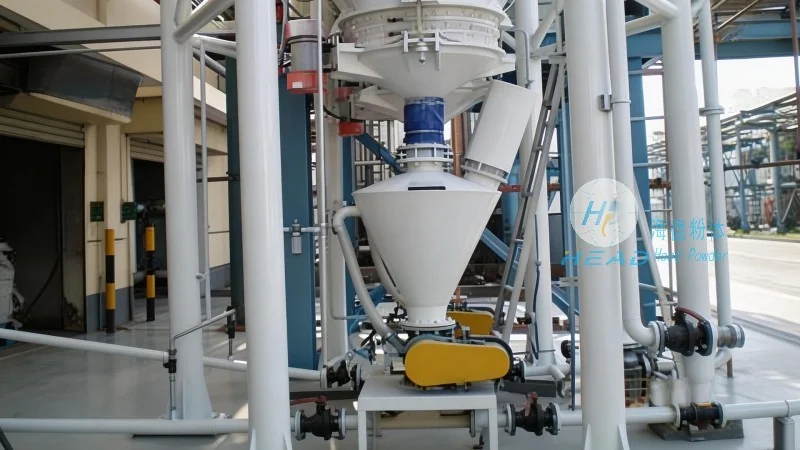
Maintenance and Operational Considerations
To ensure the longevity and efficiency of a magnetic powder conveying line, regular maintenance is essential. This includes checking the magnetic field strength, cleaning the conveyor surfaces, and inspecting the feeding mechanisms for any blockages or wear. The control system should be calibrated periodically to maintain optimal performance. Additionally, operators should follow proper procedures for loading and unloading the system to prevent overloading or damage to the components. By adhering to these guidelines, the system can operate reliably for extended periods, minimizing downtime and maximizing productivity.
Conclusion
In summary, the magnetic powder conveying line is a sophisticated and efficient system designed to handle magnetic powders with precision and care. Through its integrated components and magnetic-based operation, the system ensures smooth material transport while maintaining the quality and integrity of the product. HeadPowder Engineering Co., Ltd., with its expertise and commitment to quality, provides reliable solutions that meet the evolving needs of industries relying on bulk material handling. The understanding of the operation process and working principle of such systems is crucial for optimizing performance and ensuring long-term operational success.




