Understanding the operation process and working principle of a manganese silicate powder conveying line is crucial for optimizing material handling efficiency in industrial applications. This article provides a detailed overview of the key components, operational steps, and technical aspects involved in such systems, tailored for professionals in the powder processing industry.
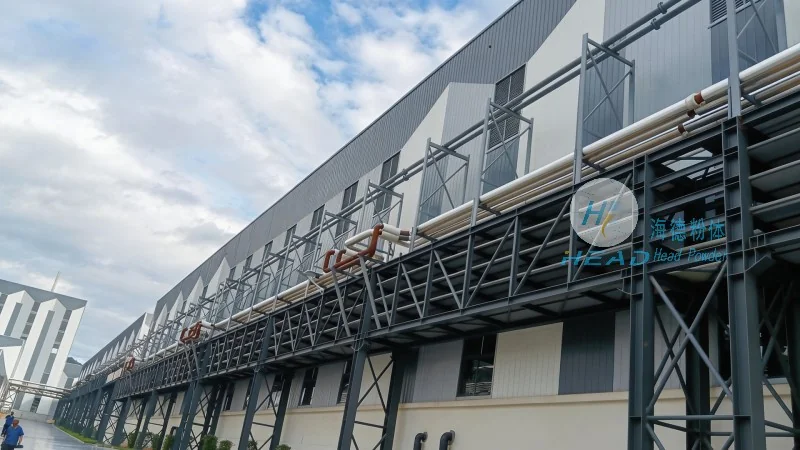
Introduction to Manganese Silicate Powder Conveying Lines
Manganese silicate is a versatile inorganic compound widely used in various industrial sectors, including battery manufacturing, catalyst production, and construction materials. The efficient transportation of this fine powder from storage to processing units is essential to maintain production continuity and product quality. A well-designed conveying line integrates multiple technologies to handle the unique properties of manganese silicate, such as its fine particle size, hygroscopic nature, and potential for dust generation.
Key Components of the Conveying Line
The manganese silicate powder conveying line typically consists of several critical components that work in tandem to ensure smooth material flow. These include:
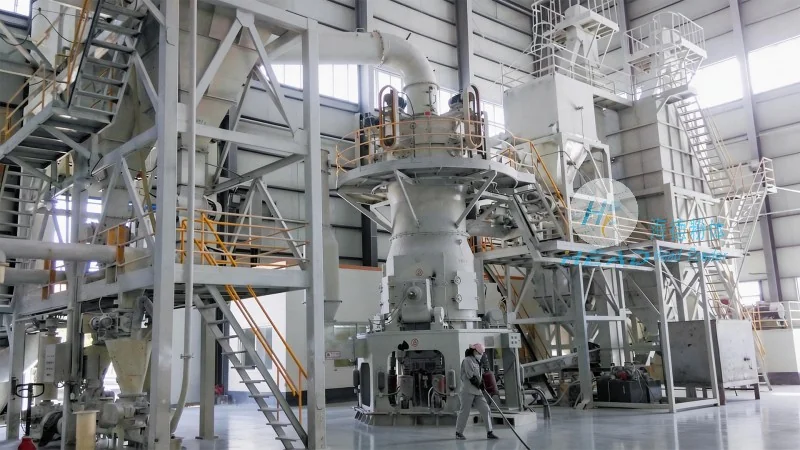
- Storage Silo: A large, airtight storage silo is used to store the raw manganese silicate powder. The silo is equipped with a discharge valve and a level indicator to monitor the material inventory. The design of the silo is crucial to prevent moisture absorption and caking, which can affect the powder's flow characteristics.
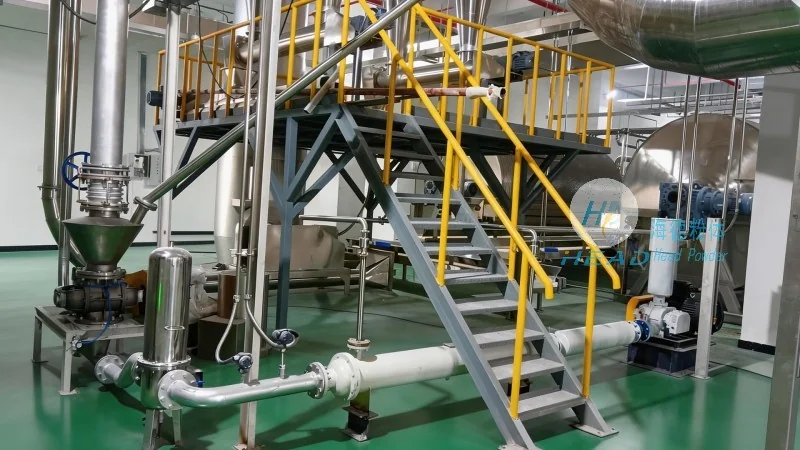
- Pneumatic Conveying System: This system uses compressed air to transport the powder through a network of pipes. The system may include a rotary airlock valve at the inlet to control the flow rate and prevent backflow. The air velocity and pipe diameter are carefully selected to maintain the powder in a suspended state, minimizing particle degradation and abrasion.
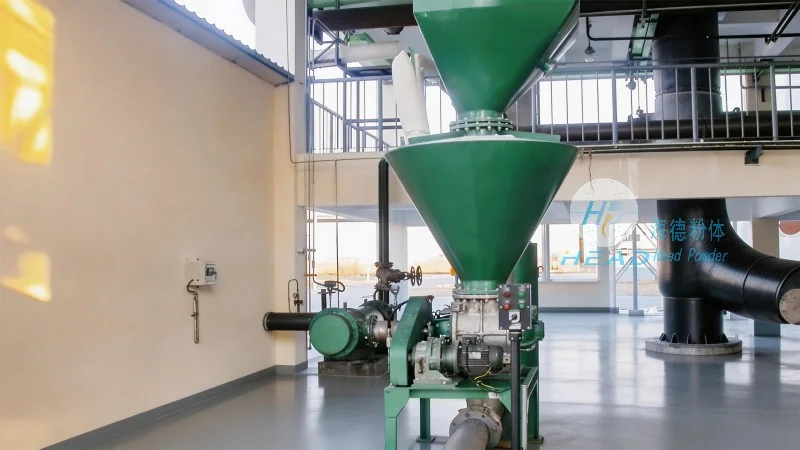
- Feeding Equipment: A screw feeder or a rotary valve is used to feed the powder from the storage silo into the conveying line. The feeding equipment is designed to handle the fine powder without causing blockages or excessive pressure drops. It may also include a dust collection system to capture any airborne particles during the feeding process.
- Control System: An automated control system monitors and regulates the operation of the conveying line. This system includes sensors for pressure, flow rate, and level, as well as a programmable logic controller (PLC) to adjust the air pressure and feeding rate based on real-time conditions. The control system ensures consistent and safe operation, reducing the risk of equipment failure or material loss.
Operation Process of the Conveying Line
The operation of the manganese silicate powder conveying line follows a systematic sequence to ensure efficient material transport. The process typically begins with the preparation of the storage silo, where the powder is loaded and the level is checked. Once the silo is filled, the pneumatic conveying system is activated. Compressed air is introduced into the inlet of the storage silo, creating a pressure differential that drives the powder into the conveying pipes.
The powder is then transported through the pipeline network to the processing unit. The air velocity in the pipes is maintained at an optimal level to keep the powder suspended, preventing it from settling or clogging the system. At the receiving end, a rotary airlock valve or a dust collector captures the powder and delivers it to the processing equipment. The control system continuously monitors the pressure and flow rate, adjusting the air supply as needed to maintain stable operation.
Working Principle of the Conveying Line
The working principle of the manganese silicate powder conveying line is based on the principles of fluidization and pneumatic transport. The compressed air acts as a fluidizing medium, creating a gas-solid mixture that allows the powder to flow through the pipes. The key to efficient operation is maintaining the powder in a suspended state, which requires precise control of air velocity and pressure. The system is designed to handle the specific properties of manganese silicate, such as its fine particle size and hygroscopic nature, to minimize material degradation and ensure consistent performance.
Benefits of an Efficient Conveying Line
An efficiently designed and operated manganese silicate powder conveying line offers several benefits to industrial operations. These include:
- Improved Material Handling Efficiency: The system reduces the time and labor required for manual handling of the powder, increasing overall production throughput.
- Enhanced Product Quality: By minimizing particle degradation and contamination, the conveying line helps maintain the quality of the manganese silicate powder, which is critical for downstream applications.
- Reduced Downtime and Maintenance: The automated control system and robust design of the conveying line reduce the risk of equipment failure and lower maintenance costs.
- Environmental Compliance: The dust collection system ensures that airborne particles are captured and filtered, meeting environmental regulations and improving workplace safety.
Conclusion
In conclusion, the operation process and working principle of a manganese silicate powder conveying line are critical to the success of industrial applications that rely on this material. By understanding the key components, operational steps, and technical considerations, manufacturers can optimize their material handling systems to improve efficiency, product quality, and safety. The expertise of companies like Shandong HeadPowder Engineering Co., Ltd. in designing and implementing such systems ensures that industrial operations can achieve their production goals while maintaining high standards of performance and reliability.




