Organic salt powder conveying equipment is a specialized system designed to handle the transportation of organic salt powders efficiently and safely. As a key component in industrial processes, these systems ensure reliable material movement from storage to processing units. The equipment is engineered to meet the unique challenges posed by organic salt powders, such as their hygroscopic nature and potential for dust generation. By integrating advanced technologies, the equipment optimizes performance while maintaining operational safety and compliance with industry standards.
Key Components of the Conveying System
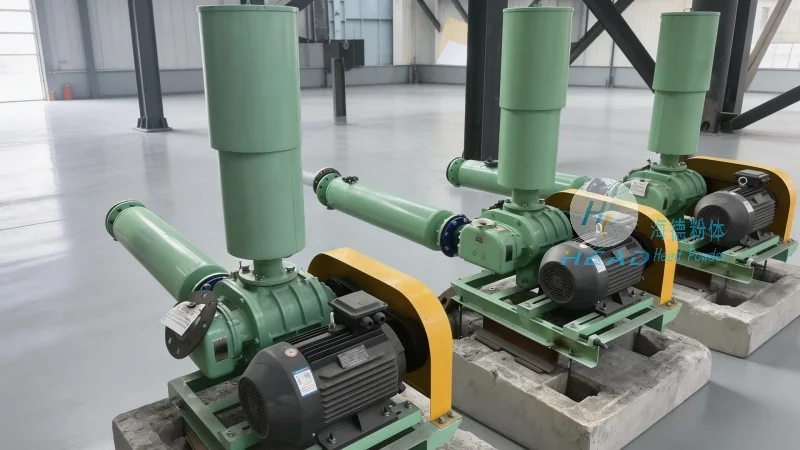
The organic salt powder conveying system typically consists of several critical components that work in tandem to achieve seamless material transport. These include a hopper for material storage, a feeder to control the flow rate, a conveyor mechanism (such as a screw or pneumatic conveyor), and a dust collection system to manage airborne particles. Each component is carefully selected to handle the specific properties of organic salts, ensuring minimal degradation or contamination during the conveying process. The hopper is designed with a sloped bottom to facilitate smooth discharge, while the feeder regulates the flow to match the processing requirements. The conveyor itself may use a flexible or rigid design, depending on the application, to accommodate different powder characteristics and system layouts. The hopper is typically made of corrosion-resistant materials, such as stainless steel or polyethylene, to prevent contamination from organic salts. The feeder may use a rotary valve or a vibratory feeder to control the flow rate precisely. The conveyor mechanism can be a screw conveyor, which uses a rotating screw to push the powder forward, or a pneumatic conveyor, which uses compressed air to transport the material through a pipeline. The dust collection system often includes a cyclone separator and a filter to capture and remove particles from the air. Each component is designed to work together seamlessly, ensuring efficient and safe material transport.
Operating Process of the Conveying Equipment
The operation of organic salt powder conveying equipment follows a systematic process that ensures consistent and efficient material handling. The process begins with the loading of organic salt powders into the hopper. The hopper is equipped with a level indicator to monitor the material level, ensuring that the feeder receives a consistent supply. The feeder then activates, adjusting the flow rate based on the desired output. The conveyor mechanism transports the material through the system, with sensors monitoring the flow rate and pressure. The material is delivered to the processing unit or storage location, where it is further processed or stored. The dust collection system continuously captures any airborne particles, preventing contamination and maintaining a clean environment. This systematic process ensures that the equipment operates efficiently and reliably, minimizing downtime and maximizing productivity. The process is typically automated, with control systems adjusting parameters in real-time to maintain optimal performance.
Working Principle of the Conveying Mechanism
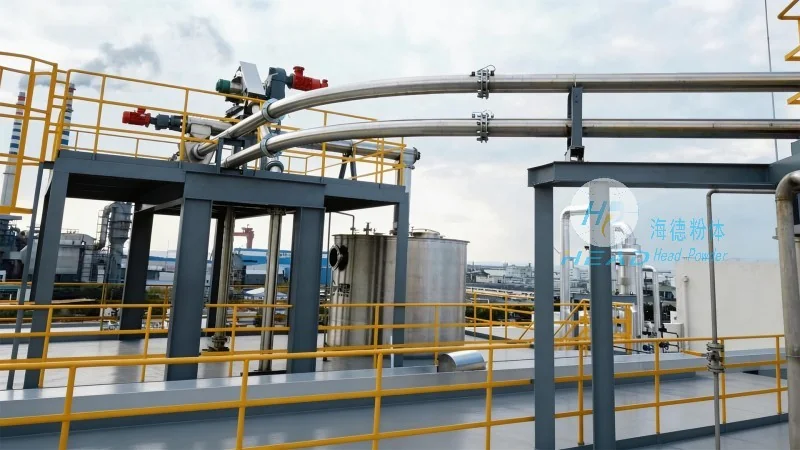
The working principle of organic salt powder conveying equipment is based on the principles of fluidization and mechanical transport. For pneumatic conveyors, compressed air is used to create a flow that carries the powder particles through the system. The air pressure and velocity are carefully controlled to prevent particle segregation or blockages. In mechanical conveyors, such as screw or belt conveyors, the powder is moved by the rotation of the conveyor elements, which creates a shear force to push the material forward. The design of the conveyor components, including the angle of inclination and the speed of rotation, is optimized to handle the specific characteristics of organic salts, such as their particle size distribution and moisture content. This ensures that the material is transported without excessive wear or degradation, maintaining the quality of the organic salt throughout the process. The fluidization principle helps to keep the powder particles suspended in the air or conveyor, reducing friction and improving transport efficiency.
Advantages of Using Organic Salt Powder Conveying Equipment
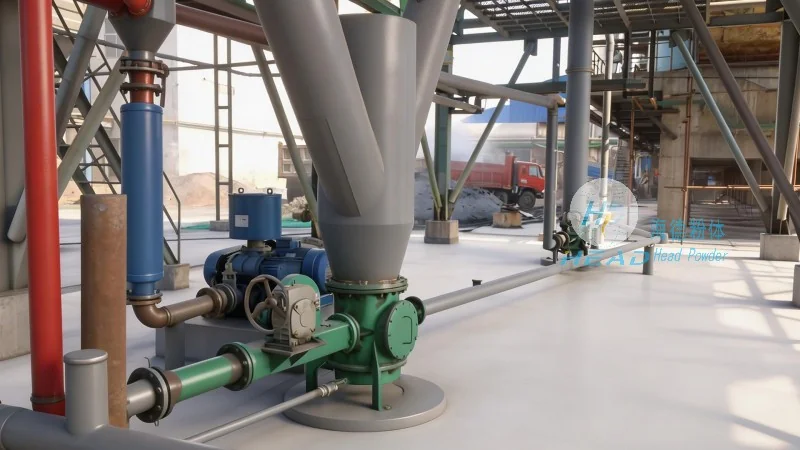
Organic salt powder conveying equipment offers several advantages that make it an ideal choice for industrial applications. One of the primary benefits is the ability to handle hygroscopic materials without moisture absorption or clumping, which can occur with traditional conveying methods. The equipment also minimizes dust generation, reducing the risk of inhalation hazards and improving workplace safety. Additionally, the system can be integrated with other processing equipment, allowing for seamless material transfer and improved overall efficiency. The compact design of the equipment makes it suitable for limited space environments, while the adjustable flow rates enable flexibility in production. These advantages contribute to cost savings and enhanced operational reliability in industrial settings. The equipment also reduces labor costs by automating the material handling process, allowing operators to focus on other tasks.
Applications in Industrial Processes
Organic salt powder conveying equipment is widely used in various industrial processes that involve the handling of organic salts. These applications include pharmaceutical manufacturing, chemical processing, food processing, and agricultural applications. In pharmaceutical production, the equipment ensures the safe and sterile transfer of organic salts used in drug formulations. The equipment is designed to meet stringent hygiene standards, preventing contamination and ensuring product quality. In chemical processing, it facilitates the transport of raw materials for synthesis and production, supporting high-volume manufacturing operations. The equipment is also utilized in food processing to handle organic salts used as preservatives or flavor enhancers, maintaining the integrity of the food products. In agricultural settings, it aids in the distribution of fertilizers or other organic salt-based products, supporting efficient farming practices. The versatility of the system makes it adaptable to different industries and applications, providing a reliable solution for material handling needs. Companies like Shandong HeadPowder Engineering Co., Ltd. specialize in designing and manufacturing such equipment tailored to specific industrial requirements.




